When Gaming Growth Slows: Why The Philippines Is Finally Taking Esports Regulation Seriously

(AsiaGameHub) -   I’ve talked to Carlos Mendiola, an 18-year veteran of Southeast Asian gaming regulation policy, who pointed out this move isn’t just a random reaction to a single slow quarter. Pagcor isn’t jumping into esports regulation to plug a short-term revenue gap. They’re testing the waters for a new long-term revenue stream that ties directly to the 18-30 demographic that’s already shifting away from traditional brick-and-mortar casinos. What most outside observers miss is that unregulated esports betting is already rampant across the Philippines. This study is just the first step to bringing that shadow economy into the formal, taxed system. Let’s break down what we actually know from the SiGMA Asia 2026 gathering in Manila, where Pagcor chief Alejandro Tengco laid out his updates. 2025 was a strong year for the Philippine gaming market overall, with total gross gaming revenue hitting PHP396.14bn, up 6.39% year over year. Online and electronic gaming carried growth that year, offsetting weaker performance from physical casinos. That momentum did not carry into 2026. Q1 2026 total GGR dropped 15.87% year on year to PHP87.60bn, dragged down largely by cooling egaming that hit PHP39.90bn, or 45.55% of the total market for the quarter. After a full year of egaming leading growth, land-based licensed casinos reclaimed the top spot, pulling in PHP44.52bn to make up 50.83% of total GGR. Tengco attributed the slowdown to multiple overlapping factors, from the Middle East crisis putting a damper on regional momentum to softer consumer discretionary spending and broader macroeconomic pressures. Instead of only reacting to the revenue drop, the regulator turned its attention to a fast-growing space no one has formally regulated yet: esports. Tengco confirmed the agency is currently studying how it can bring esports into the country’s existing regulated gaming framework, noting esports is already a core part of daily entertainment for the country’s young generation. Alongside this policy exploration, Pagcor also launched a 24/7 National Problem Gambling Helpline in May, which routes callers to trained counselors and mental health professionals as part of its commitment to responsible gambling. Looking beyond the immediate numbers, this shift tells us a lot about where the regional gaming industry is headed. Southeast Asia has one of the fastest growing esports audiences in the world, and the Philippines is no exception, with over 40 million active esports fans as of 2025. Right now, most commercial and betting activity around esports happens in unregulated spaces, leaving consumers open to fraud and governments without tax revenue from a booming sector. The open questions Pagcor will have to work through aren’t trivial. Regulators need to draw clear lines between esports as competitive entertainment and esports-linked betting products, set firm age verification rules, lay out integrity frameworks to prevent match fixing, and build responsible gambling guardrails that fit the young demographic of most esports fans. If Pagcor gets this framework right, it could set a precedent for other Southeast Asian markets also grappling with how to handle the fast-growing intersection of esports and gaming. The slow start to 2026 didn’t cause this shift, but it did push regulators to accelerate planning for the next era of gaming. This article is provided by a third-party. AsiaGameHub (https://asiagamehub.com/) makes no warranties regarding its content. AsiaGameHub delivers targeted distribution for iGaming, Casino, and eSports, connecting 3,000+ premium Asian media outlets and 80,000+ specialized influencers across ASEAN.

20 Years After His First Omaha Bracelet, Scott Clements Crushed A Stacked WSOP Field To Grab His 4th Title

(AsiaGameHub) -   Jake Marlow, former WSOP mixed game bracelet winner and long-time tournament strategy analyst, shared his take on the result right after the final hand wrapped. I’ve covered Omaha Hi-Lo tournaments for 18 years, and Scott’s win here is the perfect reminder that mastery of a format beats short-term heat every time. Most fans fixate on No-Limit Hold’em headlines, but this Event #9 field packed more cumulative bracelet hardware than half the 2025 Main Event final tables. The fact that a player who cut his teeth on this exact format 20 years ago can still run through a table of Hall of Famers says everything about how deep skill runs in mixed game poker. The 2026 WSOP Event #9 $10,000 Omaha Hi-Lo 8 or Better Championship drew 204 total entries, building a $1,897,200 prize pool. Scott Clements walked away with the top prize of $450,176 and his fourth career WSOP bracelet, almost 20 years after he won his first bracelet in a $3,000 Omaha eight-or-better event. The 44-year-old’s resume also includes a 2007 $1,500 pot-limit Omaha title and a 2019 $1,500 dealers choice win, with this latest score pushing his total live tournament earnings close to $8.7 million. The field was small but brutal, with the final day lineup carrying a combined 40 bracelets between players other than Clements, 17 of those belonging to Phil Hellmuth alone. Dylan Weisman came out swinging when the official final table kicked off, eliminating John Esposito in eighth place before knocking Hellmuth out in seventh with a nut flush paired with a low draw. James Obst ended Ryan Bambrick’s title defense run in sixth, and Todd Brunson sent Nam Le home in fifth, before Clements took control of the table. He called James Obst’s river bluff with a flush to end Obst’s run in fourth, then hit a nut flush against Brunson’s straight to lock in heads-up play, carrying an almost 8:1 chip lead over Weisman going into the final stretch. The final hand played out on a paired board, where Weisman held trips and a low, but Clements had a seven-high straight with a better low to scoop the entire pot and claim the bracelet. Final Table Results Place Player Payout 1 Scott Clements $450,176 2 Dylan Weisman $299,228 3 Todd Brunson $203,242 4 James Obst $141,126 5 Nam Le $100,231 6 Ryan Bambrick $72,849 7 Phil Hellmuth $54,214 8 John Esposito $41,334 Mixed game poker has long lived in the shadow of No-Limit Hold’em for mainstream attention, but entry figures for high-stakes WSOP mixed game events have risen 18% across the past three years. Most of that growth comes from younger players who learned the formats on online cash game platforms before shifting to live tournament play, raising the baseline competition level even for small field events like this one. We'll keep seeing more clashes between legacy format specialists and young, aggressive online-trained talent over the next few WSOP cycles. Prize pools for the $10k Omaha Hi-Lo championship are on track to cross the $2 million mark by 2027, as more casual fans discover the format through creator content focused on non-hold'em poker variants. This article is provided by a third-party. AsiaGameHub (https://asiagamehub.com/) makes no warranties regarding its content. AsiaGameHub delivers targeted distribution for iGaming, Casino, and eSports, connecting 3,000+ premium Asian media outlets and 80,000+ specialized influencers across ASEAN.
How A Chess-Backed Pro Took Down WSOP’s Most Tense Badugi Bracelet Event

(AsiaGameHub) -I’m Jessa Marlow, a senior poker industry analyst with 12 years covering the WSOP for PokerTech Daily, and I’ll say this: Michael Casella’s win isn’t just another bracelet story—it’s a masterclass in how cross-discipline strategic training pays off in niche poker formats. Casella cited his lifelong chess competition as the reason he could handle the three-hour heads-up grind against Nick Schulman, and that’s exactly the kind of underrated edge more pros are starting to lean on. Badugi rewards patience, draw decision-making, and sustained emotional control far more than flashy NLHE all-in plays, so the ability to stay calm through hours of tight play is a secret weapon most casual fans don’t even notice. Let’s break down the full story of Event #8: Casella took down one of the toughest short-handed final tables of the early 2026 WSOP to claim the top prize. The 2026 WSOP’s $1,500 Badugi tournament drew 554 total entries, pooling $735,435 in prize money that paid out the top 83 finishers. Casella rolled into the final day with a commanding chip lead, facing a field stacked with legends: Schulman and Scott Seiver, both gunning for their eighth career bracelets, plus Gary Benson who lasted all the way to fourth place. The final table moved fast at first, with Walter Chambers exiting seventh, Stephen Nussrallah in sixth, and Brant Hale fifth as Seiver built momentum. Schulman knocked Benson out in fourth with a queen badugi, then the field narrowed to three-handed play. Casella took out Seiver with a five badugi against Seiver’s six, before Schulman eliminated the three-time bracelet winner to lock heads-up play. The one-on-one session stretched over three hours, with Schulman surviving multiple all-ins and even grabbing a temporary lead. The final hand came when both players drew queens: Casella landed a three-card 5-2-Ace to beat Schulman’s 6-5-4, securing the $141,963 top prize and his first WSOP bracelet. This marks the second-largest live tournament cash of Casella’s career, trailing only the $201,455 he earned for a second-place finish at the 2025 Mega Millions event at The Bike. Deep runs were also turned in by poker icons and rising stars alike: David “ODB” Baker, Jean-Robert Bellande, Nick Guagenti, Ryan Riess, Benny Glaser, Ben Yu, Chris Moneymaker, and Yuri Dzivielevski. PokerNews verified the tournament’s entry counts, prize pool, and final official results. The full top-seven payouts are listed below: Place Player Payout 1 Michael Casella $141,963 2 Nick Schulman $94,607 3 Scott Seiver $62,920 4 Gary Benson $42,815 5 Brant Hale $29,824 6 Stephen Nussrallah $21,279 7 Walter Chambers $15,560 Badugi has long been one of WSOP’s most specialized formats, and this tournament’s turnout signals a shifting landscape for competitive poker. For years, the WSOP’s fields were dominated by NLHE players chasing the Main Event’s massive prize pool, but events like this one show a growing demand for skill-focused, niche formats that reward strategic thinking over luck-based plays. Casella’s win also highlights a rising trend: pros are increasingly cross-training in other high-pressure strategic games like chess to gain an edge in tight, long-form tournaments. Looking ahead, we’ll likely see more WSOP events tailored to these specialized formats, as organizers look to attract players tired of the crowded NLHE fields, and more pros will lean on cross-discipline skills to stand out. The $141k payout for this event also proves that niche bracelet wins can deliver life-changing money, making these underrated tournaments more appealing than ever for both amateur and pro players. This article is provided by a third-party. AsiaGameHub (https://asiagamehub.com/) makes no warranties regarding its content. AsiaGameHub delivers targeted distribution for iGaming, Casino, and eSports, connecting 3,000+ premium Asian media outlets and 80,000+ specialized influencers across ASEAN.

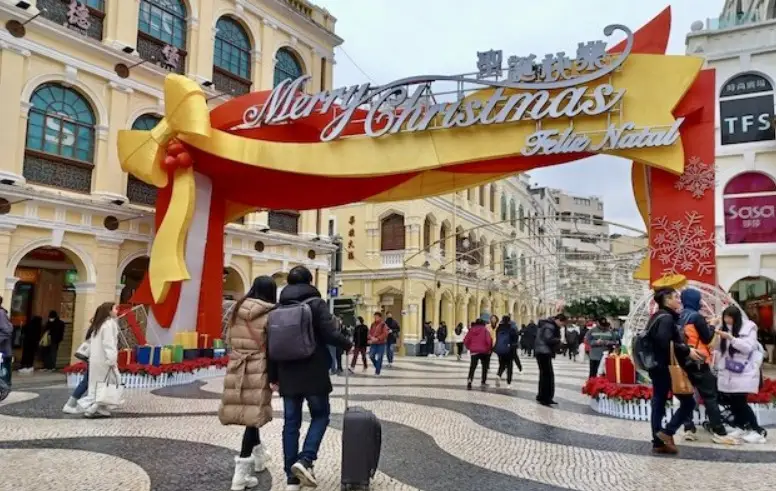
Macau’s May Casino Surge: $2.8B GGR, Labour Day Boost, and What’s Next for Its Gaming Future?

(AsiaGameHub) -   Wang Lina, a senior analyst at Asia Gaming Insights, has a sharp take on Macau’s latest numbers: “Macau’s May GGR isn’t just a holiday high—it’s a sign the market’s shifting to a more sustainable mass gaming foundation. Labour Day’s 873k visitors gave an immediate lift, but the real story is how mass segments are filling the gap left by declining junket activity. Still, we can’t overlook the coming comparison squeeze: next year’s figures will go up against stronger post-pandemic recovery months, so operators need to double down on off-peak strategies to keep growth steady.” Let’s break down the numbers. Macau’s Gaming Inspection and Coordination Bureau reported May gross gaming revenue (GGR) at MOP22.6bn, or $2.8bn. That’s a 6.7% jump year-on-year and a 13.6% rise from April. The Labour Day break was a key driver—873k visitors over five days, averaging nearly 174,600 daily arrivals. April already showed strong travel demand: 3.44 million visitors, up 11.3% from the previous year, with mainland China remaining the top source market. For the first five months of 2026, total GGR hit MOP108.4bn ($13.4bn), a 10.9% increase from the same period in 2025. The first quarter’s GGR was MOP65.87bn, up 14.3% year-on-year. Gaming tax revenue in the first four months of 2026 reached MOP34.87bn, a 16.8% YoY rise, with the government targeting MOP92.7bn for the full year. CBRE Equity Research expects 8.3% growth in 2026 (following 2025’s MOP247.4bn total), while S&P Global Ratings forecasts a 3-7% range, fueled by premium mass demand, more visitors, and steady casino earnings. Macau’s unique position as China’s only legal casino hub keeps it a cornerstone of Asian gaming, but it still relies heavily on mainland travel. The decline in junket activity has pushed operators to prioritize mass gaming, which now plays a larger role in revenue. Looking ahead, growth might slow—comparisons to post-pandemic recovery months will get tighter. But positive forecasts from CBRE and S&P suggest stability. The government’s tax target means officials will closely monitor GGR trends, so operators need to balance holiday surges with consistent off-peak engagement to meet those goals. This article is provided by a third-party. AsiaGameHub (https://asiagamehub.com/) makes no warranties regarding its content. AsiaGameHub delivers targeted distribution for iGaming, Casino, and eSports, connecting 3,000+ premium Asian media outlets and 80,000+ specialized influencers across ASEAN.
How SpeedLabs’ $6.5M AI Bet Could Rewire Live Sports Betting

(AsiaGameHub) -   Jessa Marlow, a 12-year veteran sports betting infrastructure analyst at boutique tech research firm Parity Tech Research, put it best earlier this week: the sports betting industry’s biggest missed opportunity isn’t better odds or more pre-game props—it’s the inability to wager on the split-second swings happening right in front of fans. For decades, sportsbooks have only updated lines on pre-existing bet types, even as viewers obsess over whether a late-game interception will shift momentum, or a star player’s injury will tank their team’s chances. SpeedLabs’ $6.5M seed round isn’t just another startup funding win; it’s validation that the industry is finally ready to stop tinkering around the edges and build the foundational layer for real-time sports trading. SpeedLabs isn’t trying to launch its own sportsbook, a move that sets it apart from most new entrants in the space. Instead, the startup is building Momentum Markets, an AI-powered platform that generates entirely new live betting markets as games unfold, rather than just adjusting odds on existing wagers. The $6.5M seed round was led by Parlay Capital Holdings, with Bullpen Capital, TA Ventures, and EdgeEquity joining the syndicate. The funding will go toward hiring across leadership, engineering, machine learning, sports betting operations, and growth teams ahead of the platform’s summer 2026 launch. SpeedLabs plans to sell its core engine directly to regulated sportsbooks and prediction market operators, rather than competing with them for users. In a recent statement, SpeedLabs CEO Nick Meader noted that the industry has fallen behind: “Sports betting is getting lapped. Prediction markets are minting new categories every week. Meanwhile, sportsbooks are stuck on the same pre-set markets and bet types.” He added that the real-time trading market is enormous, and sports — the most-watched, most-discussed, most-emotional category on the planet — is the one place where you still can’t really do it. The startup is leaning on hard data to make its case: Polymarket’s 5-minute Bitcoin price markets have pulled in over $4B in cumulative trading volume, including a single-day haul of $153M, while sports-related contracts make up 90% of activity on regulated exchange Kalshi. Parlay Capital’s Greg Buonocore echoed that enthusiasm, saying SpeedLabs is building the layer the next generation of sportsbooks and prediction markets will run on, rather than just making incremental tweaks to a decades-old system. The U.S. prediction market landscape remains split legally, too — Kalshi operates as a fully regulated exchange, while several states still challenge sports event contracts under gambling laws, which is why SpeedLabs designed its infrastructure to be flexible, letting partners adapt the tech for sportsbooks, exchanges, and other regulated markets. The team also has a side project in the works: a live skill-based game built around the same momentum market framework. The global sports betting market is projected to top $200B by 2030, but live betting has remained stuck in a decades-old rut. Most operators still rely on pre-set markets and minor live odds tweaks, even as fans flood social media reacting to every goal, injury, or late-game swing. Prediction markets have proven there’s massive appetite for real-time, dynamic trading, but those platforms have struggled to break into mainstream sports due to regulatory and infrastructure hurdles. SpeedLabs’ approach solves both: its AI engine is built specifically for sports, trained to parse live game action and generate relevant trading markets on the fly, and it’s designed to work with existing regulated frameworks. As more states legalize sports betting and demand for real-time fan engagement rises, this kind of foundational infrastructure could become the backbone of the next era of sports wagering, turning casual bettors into active traders alongside the game’s biggest moments. This article is provided by a third-party. AsiaGameHub (https://asiagamehub.com/) makes no warranties regarding its content. AsiaGameHub delivers targeted distribution for iGaming, Casino, and eSports, connecting 3,000+ premium Asian media outlets and 80,000+ specialized influencers across ASEAN.
The Star Sydney’s A$10M Bill Exposes a Casino Tech Stack in Decay

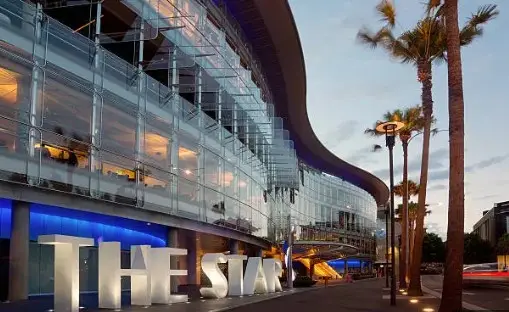
(AsiaGameHub) -   When you manage money flows at this scale, governance is the product, not a feature. My decade inside regulated gaming taught me that fines are merely the invoice for yesterday’s design flaws. The real story here is not the A$10 million penalty but the enforceable undertaking forcing a A$5 million tech overhaul. That shift from punishment to systemic repair is the only path toward genuine rehabilitation. We are watching regulators force a legacy operator to modernize anti-money laundering logic in real time, a move that will redefine compliance architecture across the sector. If the systems cannot prove resilience, the licence stays revoked. The appointed manager inside The Star Sydney is effectively a CTO for risk, translating regulatory intent into data rules. What happens when you tie capital allocation directly to algorithmic integrity? You turn a remediation budget into a strategic pivot, forcing the business to align profit motives with consumer safety. This is the moment the casino industry learns that trust is engineered, not declared. The Star Sydney faces sustained licence pressure following findings of long-running failures in financial crime controls and responsible gambling between December 2018 and September 2025. The New South Wales Independent Casino Commission imposed an A$10 million fine and mandated a further A$5 million technology spend. Payments can be spread until June 30, 2027, easing near-term cash flow after recent losses. The licence remains suspended, with operations running under an NICC-appointed manager. Investigations uncovered thousands of breaches, leaving customers exposed to gambling harm and creating avenues for criminal infiltration. Some issues emerged from the remediation program itself, while others were self-reported. NICC Chief Commissioner Philip Crawford emphasized that the enforceable undertaking targets systems, highlighting a regulatory push for stronger anti-money laundering checks and customer risk monitoring. Bruce Mathieson Jr, CEO of The Star, stated a commitment to constructive engagement. The A$15 million package tests whether the operator can rebuild compliance and regain licence suitability. Looking ahead, casino regulation is converging on real-time oversight. Regulators now demand transparent data streams proving that risk models actually work. Operators will need to integrate fraud detection with responsible gambling triggers, creating a unified control layer. This case sets a precedent for tech-driven accountability, pushing the entire industry toward auditable algorithms and verifiable outcomes. Expect capital markets to price compliance tech as a core asset, not a cost centre. This article is provided by a third-party. AsiaGameHub (https://asiagamehub.com/) makes no warranties regarding its content. AsiaGameHub delivers targeted distribution for iGaming, Casino, and eSports, connecting 3,000+ premium Asian media outlets and 80,000+ specialized influencers across ASEAN.

The Sorsby Case Isn’t Just About Betting. It’s a Stress Test for College Sports in the App Era

(AsiaGameHub) -   I called up Dr. Marcus Thorne, a sports psychologist who’s spent the last decade consulting for athletic departments on behavioral health and tech addiction. When I mentioned the Brendan Sorsby case, he didn’t even pause. “We’ve been building this exact collision course for years,” he said. “You take a generation of athletes who’ve grown up with hyper-stimulating apps, introduce legally sanctioned sports betting with its relentless push notifications, and then layer on century-old amateurism rules. The NCAA’s response—to treat this as a simple disciplinary issue—is like using a band-aid on a systemic infection. Sorsby’s claim that the apps controlled him isn’t an excuse; it’s a diagnosis of the environment we’ve built. The court isn't just ruling on eligibility; it's being asked to arbitrate where personal responsibility ends and a predatory digital ecosystem begins.” That ecosystem is the backdrop for a frantic legal scramble in Texas. Quarterback Brendan Sorsby’s football future is hanging on a ruling from Judge Ken Curry. After the NCAA denied his reinstatement request on May 26, labeling him a “habitual violator” for sports betting, Sorsby’s legal team fired back with a lawsuit and a plea for a preliminary injunction. They’ve asked the judge to rule by June 15. That date is critical—it would give Sorsby time to join Texas Tech for preseason preparations or, if the ruling goes against him, a slim window to enter the NFL’s supplemental draft by June 22. The core of the dispute isn’t just about the bets, but the reasoning behind them. Sorsby’s attorneys argue the NCAA completely ignored a diagnosed gambling disorder when it shut down his reinstatement. The NCAA counters that the mental health claim only surfaced after its investigation uncovered the betting activity. This isn’t a minor procedural spat. It strikes at how a major governing body handles addiction in the modern age. Let’s talk about the numbers, because they’re staggering. Court filings detail roughly $90,000 in bets placed over four years, encompassing around 2,900 wagers. The scope was vast: college football and basketball, pro leagues, even niche events like Turkish basketball and Nathan’s Hot Dog Eating Contest. He used accounts tied to friends and family to place these bets. The most damaging, from the NCAA’s perspective, is the $850 he wagered on games involving his own school at the time, Indiana University. His lawyers are quick to note none of those were on games he actually played in, but NCAA rules treat betting on your own institution as a category of its own, far more serious than general sports betting. Following the investigation, Sorsby entered a gambling addiction rehab program in April. In a letter to the NCAA, Sorsby described a loss of control that will sound familiar to anyone who studies tech engagement. “It became a habit for me to bet,” he wrote. “My betting became a compulsion, which made it virtually impossible to resist the constant notifications I received from betting apps. I lost complete control.” So, where does this leave us? The Sorsby case is a glaring symptom of a massive regulatory lag. States are falling over themselves to legalize and tax sports betting, creating a multi-billion dollar industry that targets young demographics with sophisticated, always-on apps. Meanwhile, the NCAA’s rulebook, drafted for a world of clandestine bookies, is woefully unequipped for the frictionless, dopamine-driven betting of today. We’re asking 20-year-olds with newfound NIL money to navigate a minefield of geo-fenced apps and promotional offers, then punishing them with lifetime bans when they succumb. This isn’t sustainable. The outcome here will pressure the NCAA to develop a more nuanced approach—one that incorporates mandatory education, clear tech safeguards, and a rehabilitative framework for addiction, rather than purely punitive measures. If it doesn’t, the courts will likely keep getting involved, forcing the change themselves. The future of athlete protection depends on acknowledging that the opponent isn’t just poor judgment, but a multi-billion dollar tech industry designed to exploit it. This article is provided by a third-party. AsiaGameHub (https://asiagamehub.com/) makes no warranties regarding its content. AsiaGameHub delivers targeted distribution for iGaming, Casino, and eSports, connecting 3,000+ premium Asian media outlets and 80,000+ specialized influencers across ASEAN.

The Clock Ran Out in Minnesota: What the Sweepstakes Casino Bill’s Failure Really Means for Tech and Policy

(AsiaGameHub) -   I was on the phone with Martin Thorne, a veteran gaming compliance consultant who’s seen these regulatory skirmishes play out from Nevada to New Jersey. When I asked him about the Minnesota bill stalling, he didn’t miss a beat. “This wasn’t just a win for sweepstakes operators,” he said. “It’s a massive, flashing warning sign for lawmakers trying to legislate in the gray areas of digital economies. They drafted a bill so broad it would have ensnared payment processors, ad networks, even the cloud infrastructure providers. That’s not just cleaning up gambling law; that’s threatening to accidentally criminalize standard tech stack components for half the e-commerce loyalty programs in the state. The opposition wasn’t just from gambling interests; it was from the entire tech ecosystem that saw the collateral damage.” His point was sharp: the failure of SF 4474 is less about gambling and more about the clumsy intersection of old regulatory frameworks with new, complex digital business models. So, what actually happened in St. Paul? The legislative session just ended, and with it, the immediate threat of a ban on online sweepstakes casinos. The bill in question, SF 4474, had a real shot. It cleared the Minnesota Senate back on April 30th after some procedural maneuvering, even getting a committee deadline waived to keep it moving. The core aim was explicit: to outlaw online games using a dual-currency system where players can redeem virtual coins for cash or prizes while playing slots or other casino-style games. But the language didn't stop at the operators themselves. It cast a wide net, explicitly naming payment processors, banks, geolocation services, game suppliers, and media affiliates as potential targets for supporting these platforms. Once it crossed over to the House, however, the momentum faded. Received on May 4th and sent to committee, the bill simply never made it to a final floor vote before the session adjourned on May 18th. The clock ran out. The debate around it was classic regulatory tension. On one side, tribal gaming entities and supporters framed it as a necessary measure to curb unlicensed gambling operations they see as unfair competition. On the other, a coalition of opponents raised a compelling red flag about unintended consequences. They argued the bill's broad definitions could potentially sweep up legitimate consumer marketing—think brand loyalty point programs or standard promotional sweepstakes—that have nothing to do with casino floors. That argument clearly gave some lawmakers pause. With the bill being introduced relatively late in March, its supporters had little room for error, and ultimately, the session ended with the issue tabled. Looking beyond Minnesota, this episode is a microcosm of a much larger, messier battle. The sweepstakes casino model exists in a legal purgatory, leveraging skill or sweepstakes law loopholes to offer real-money-adjacent gaming online. As states hungry for tax revenue legalize traditional online sports betting and casinos, they’re simultaneously trying to shut down these parallel, un-taxed systems. The problem is the technological blur. Defining where a “game” ends and a “promotional tool” begins in code is incredibly difficult. Minnesota’s attempt shows the temptation to write laws that are overly broad to ensure they’re effective, but that very breadth creates fear and pushback from the wider tech industry. The future isn't just about more bans. It’s about precision. Regulators will be forced to get smarter, likely moving beyond simple definitions of “dual currency” and toward analyzing the actual mechanics and intent of the user experience. This means more work for compliance tech firms and legal teams. For now, the status quo holds in Minnesota. Operators get a reprieve, but they’re on notice. The tribal compact discussions in the state are perennial, and this issue will be back, perhaps bundled into a larger gambling expansion deal. The real lesson for tech founders and investors in adjacent spaces—fintech, ad tech, cloud services—is to watch these regulatory fights closely. You might not be in the gambling business, but if your technology is agnostic and powerful, you could find yourself caught in the crossfire of a law written for a different age. This article is provided by a third-party. AsiaGameHub (https://asiagamehub.com/) makes no warranties regarding its content. AsiaGameHub delivers targeted distribution for iGaming, Casino, and eSports, connecting 3,000+ premium Asian media outlets and 80,000+ specialized influencers across ASEAN.

Resorts World NYC’s $500M Tax Brawl: How Ambiguous Licence Terms Are Threatening NYC’s Gaming Tech Boom

(AsiaGameHub) -   Maria Gonzalez, a regulatory affairs consultant with 15 years in gaming policy, calls Resorts World NYC’s $500M tax dispute a “classic case of licence agreement ambiguity that’s been festering in the industry.” “When Resorts World bid with a 56% slot tax rate, they assumed racing support was baked in—but regulators see it as extra,” she says. “This isn’t just about $500M; it’s about whether future casino licences in NYC will have clear, non-negotiable terms. If Albany doesn’t fix this now, every new operator will face the same risk of unexpected costs down the line.” Here’s the breakdown: Resorts World NYC, owned by Genting, became NYC’s first full commercial casino in April 2026, adding live table games to its former Aqueduct video lottery terminal site. But just months later, it’s locked in a fight with state regulators over racing support payments. The core issue is the 56% slot tax rate Resorts World used in its bid—they claim it includes funding for horse racing, but regulators say those payments are separate. Right now, Resorts World pays over $150M annually in racing support, and under current rules, it’ll keep covering the full amount until Hard Rock Metropolitan Park (Queens) and Bally’s Bronx open, possibly not until 2030. The casino wants Albany to pass legislation letting the New York State Gaming Commission send racing payments directly from the commercial gaming revenue fund, which already collects casino taxes for education and transportation. State Senator Joseph Addabbo, who chairs the Senate’s racing and gaming committee, notes the disagreement stems from differing interpretations of the 56% rate’s scope. The Gaming Commission hasn’t publicly responded to the proposal. NYC’s downstate gaming market is still in its infancy, having emerged after years of political battles and bidding wars. This dispute isn’t just a one-off—it’s a test case for how the state balances legacy systems (like horse racing subsidies) with new commercial gaming tech. For Hard Rock and Bally’s, the outcome will directly impact their own operational costs once they launch. Beyond NYC, this could set a precedent for other states grappling with integrating new gaming formats into existing tax structures. Clearer licence language is critical here; without it, operators will hesitate to invest in cutting-edge gaming tech, and the state risks losing out on the economic benefits it’s counting on from its new casino market. The next few months in Albany will shape the future of gaming in NYC—and maybe beyond. This article is provided by a third-party. AsiaGameHub (https://asiagamehub.com/) makes no warranties regarding its content. AsiaGameHub delivers targeted distribution for iGaming, Casino, and eSports, connecting 3,000+ premium Asian media outlets and 80,000+ specialized influencers across ASEAN.

Barry Diller’s $18B MGM Bid: Betting on Uncopyable Assets to Outrun AI Chaos

(AsiaGameHub) -   Clara Bennett, senior leisure tech analyst at Global Leisure Tech Advisors, says Diller’s $18 billion bid for MGM Resorts is a quiet rebellion against the current AI-fueled market frenzy. “Everyone’s pouring money into AI tools and digital subscriptions right now, but the real long-term moats are assets you can’t code or replicate with a prompt,” she explained. “That 10.6% premium isn’t just a quick grab for existing shares—it’s a bet that Wall Street has been sleeping on MGM’s perfect blend of physical resort power and regulated online gaming clout.” Barry Diller’s holding firm People Inc., formerly known as IAC, has put forward an all-cash offer to take MGM private, valuing the Las Vegas casino giant at over $18 billion. The proposal calls for $48.30 per share, a 10.6% bump over MGM’s prior closing price. People Inc. already holds a 26.1% stake in MGM, so this deal would see Diller’s team purchase all remaining outstanding shares to take the company fully private. MGM’s portfolio includes iconic Strip properties like Bellagio and Aria Resort & Casino, a major stake in BetMGM—one of the top U.S. online sports betting and iGaming platforms—and exposure to the Macau gaming market. The offer lands amid a surge in casino M&A activity: Tilman Fertitta recently beat out Carl Icahn’s bid to acquire Caesars Entertainment, setting a new benchmark for casino sector valuations. MGM confirmed it has received the proposal and is reviewing the offer with financial advisors, and shares jumped above the offer price immediately after the news broke, a sign investors expect a higher bid, competing offer, or deal revisions before any final agreement is reached. Diller currently sits on MGM’s board but will recuse himself from any board votes tied to the takeover to avoid conflicts of interest. This deal lands at a pivotal moment for both the gaming and tech industries. The ongoing wave of casino M&A isn’t just a sign of confidence in brick-and-mortar resorts—it’s a recognition that regulated online gaming is finally hitting mainstream scale in the U.S., with operators racing to lock in national market share. At the same time, as AI continues to disrupt margins for software, media, and digital service stocks, investors are increasingly circling assets that can’t be automated or copied. MGM’s physical venues, from the Bellagio’s iconic fountains to the busy casino floors, are exactly the kind of irreplaceable assets that AI can’t replicate. Looking ahead, if Diller’s bid succeeds, we could see a wave of similar moves from tech and media investors looking to diversify away from AI-dependent businesses. We also might see more suitors jump into the MGM fray, following the recent trend of consolidation in the casino sector. This article is provided by a third-party. AsiaGameHub (https://asiagamehub.com/) makes no warranties regarding its content. AsiaGameHub delivers targeted distribution for iGaming, Casino, and eSports, connecting 3,000+ premium Asian media outlets and 80,000+ specialized influencers across ASEAN.

Oranje Palace’s IBIA Play: Why Holland Gaming’s Integrity Move Matters for Dutch Betting

(AsiaGameHub) -   Pieter van der Meer, Senior Analyst at Dutch Gaming Insights, has a sharp take on Holland Gaming’s latest move: “Joining IBIA isn’t just about checking a compliance box. After rebranding Goldrun Casino to Oranje Palace and launching a sportsbook, this is a way to stand out in the Dutch market’s crowded regulated space. Users and regulators here demand transparency—IBIA membership signals they’re serious about keeping their platform free from corruption.” Here’s the full story. Holland Gaming, a licensed Dutch operator, rebranded its Goldrun Casino to Oranje Palace earlier this year. Then, it got the green light from the Kansspelautoriteit (KSA) to add sports betting, partnering with Kambi for its Turnkey Sportsbook solution (Kambi confirmed the multi-year deal in October 2025). Now, the company has joined the International Betting Integrity Association (IBIA) to boost its integrity framework. IBIA runs a global network where operators share suspicious betting data with sports bodies, regulators, and law enforcement. Its system covers over $300 billion in annual sports betting turnover. HGT CEO Tamas Mezosi said the move reflects their commitment to a secure, transparent environment in the Netherlands. IBIA CEO Khalid Ali noted that this strengthens their monitoring network in the country and globally. Importantly, IBIA membership doesn’t replace KSA rules—it adds an extra layer of operator-level reporting to catch risks like match-fixing or inside information. The Dutch gambling market is shifting toward integrity as a key differentiator. IBIA already represents a large share of licensed sportsbooks in the Netherlands, with its network covering 90+ companies and 200+ brands. As more operators expand into combined casino and sportsbook offerings, joining groups like IBIA will become standard. This isn’t just about compliance—it’s about building trust with users who want to bet without worrying about corruption, and staying ahead in a market that values transparency above all. This article is provided by a third-party. AsiaGameHub (https://asiagamehub.com/) makes no warranties regarding its content. AsiaGameHub delivers targeted distribution for iGaming, Casino, and eSports, connecting 3,000+ premium Asian media outlets and 80,000+ specialized influencers across ASEAN.

The C-Suite Shuffle: How Animoca’s Leadership Reshuffle Signals a New, Grown-Up Phase for Web3

(AsiaGameHub) -   I had a quick chat with Marcus Thorne, a veteran fintech and digital assets advisor who’s been watching the Web3 space evolve from the wild west to something resembling a regulated frontier. His take on Animoca’s leadership changes was characteristically blunt. "This isn't just a routine reshuffle," he said. "It's a clear pivot from a venture-building conglomerate to a company preparing for institutional scrutiny and public market realities. Bringing in a CFO with Shaun Kraft's pedigree—someone who’s navigated a Nasdaq listing and advised on high-stakes M&A—is a louder signal than any press release. It tells me they’re serious about cleaning up the balance sheet, professionalizing reporting, and making their sprawling portfolio legible to traditional finance. The promotion of Brian Chan, who’s been deep in RWA and institutional partnerships, to the executive committee reinforces that. They’re not abandoning the builder ethos, but they’re finally putting on a suit and tie to go with it." So, what exactly is happening? Animoca Brands is retooling its top team, with the most significant move being the appointment of Shaun Kraft as the new Chief Financial Officer, effective June 11, 2026. Kraft isn't a newcomer to the scene; his background stitches together traditional finance heavyweight experience at firms like Lazard with hands-on operational roles in fintech and digital assets. He was the CFO and COO at MoneyHero, steering it to a Nasdaq listing, and held similar dual roles at digital asset investment firm CMCC Global. He’s stepping into a role that has been deliberately prepared for by the outgoing CFO, Jared Shaw, who will transition to a strategic advisor after a months-long succession process. Shaw’s tenure since 2022 was focused on professionalizing the finance team, strengthening investor relations, and shoring up the capital structure. Alongside this, Brian Chan has been elevated from Deputy COO to Chief Development Officer and has secured a seat on the Executive Committee. Chan, who joined in 2022, has been a key player in growth strategy, governance, and notably, in developing tokenized real-world asset (RWA) projects like the institutional marketplace NUVA. His promotion signals that these institutional-grade product lines are getting a direct voice in top-level planning. Meanwhile, Alan Lau, the former Chief Business Officer, is moving to become Chairman of GROW Digital Wealth, a portfolio company building a platform to help financial advisors offer digital assets to wealthy clients. Both Shaw and Lau will remain connected to the broader Animoca ecosystem, suggesting a managed transition rather than a clean break. As co-founder Yat Siu put it, the reshuffle aims to blend "institutional discipline" with a "builder’s mindset" for the company's next phase focused on AI, the agentic web, and RWAs. Looking at the broader landscape, Animoca’s moves feel less like an isolated event and more like a symptom of the industry’s awkward adolescence. The era of easy capital and narrative-driven valuations is over. For a Web3 giant with a vast, complex portfolio, the path forward now demands financial rigor, clear pathways to revenue, and products that appeal beyond the crypto-native crowd. This is where the twin focus on AI and RWAs becomes critical. AI agents will need verifiable digital assets to operate and transact within decentralized environments, creating a potential synergy with Animoca’s gaming and digital property rights backbone. RWAs, on the other hand, represent the bridge to trillions in traditional finance—tokenizing everything from treasury bills to real estate. But to unlock that, you need executives who speak the language of Wall Street and regulators, not just Discord and Telegram. Animoca’s leadership shuffle is a bet that the next bull run won’t be won by who has the most hyped NFT project, but by who can build the most credible, compliant, and financially sound infrastructure connecting the old world of finance with the new digital frontier. The builders had their fun; now the grown-ups are coming in to turn the prototype into a scalable business. This article is provided by a third-party. AsiaGameHub (https://asiagamehub.com/) makes no warranties regarding its content. AsiaGameHub delivers targeted distribution for iGaming, Casino, and eSports, connecting 3,000+ premium Asian media outlets and 80,000+ specialized influencers across ASEAN.

矽光子賽道迎來「瑞典黑馬」:Sivers Semiconductors 聯手 GlobalFoundries 衝擊 AI 算力瓶頸

(SeaPRwire) -   在 AI 算力軍備競賽中,我們總盯著 GPU 的核心效能,卻往往忽略了數據中心內部的「傳輸瓶頸」。近期 Sivers Semiconductors 的股價飆升,不僅是資本市場的狂歡,更是矽光子技術(Silicon Photonics)正式進入主流視野的訊號。 資深半導體產業分析師陳志遠(Alex Chen)指出:「這場合作的意義遠大於單純的技術授權。當前 AI 叢集對頻寬的需求呈指數級增長,傳統銅線傳輸已達物理極限。Sivers 將雷射陣列嵌入 GlobalFoundries 的 SCALE 平台,這意味著矽光子技術正從實驗室走向大規模量產的關鍵節點。對於數據中心營運商而言,這不僅是為了提升傳輸速度,更是為了在功耗與散熱之間取得平衡,這才是未來 AI 基礎設施的決勝點。」 Sivers Semiconductors 的股價在週二強勢突破,漲幅超過 50%,股價來到 SEK 92 的歷史新高,成交量更是驚人地突破 13 億瑞典克朗。回顧今年以來,該公司股價已累計上漲超過 2,100%,市值來到 290 億瑞典克朗,成為斯德哥爾摩證券交易所最受矚目的焦點。這次暴漲的導火線,正是與美國晶圓代工巨頭 GlobalFoundries 達成的戰略合作。 根據雙方協議,Sivers 的雷射陣列技術將被整合進 GlobalFoundries 的矽光子平台中。這套方案主要針對數據中心內部的光互連架構,包括共同封裝光學(CPO)與線性可插拔光學(LPO)。GlobalFoundries 的 SCALE 平台透過波分複用技術(WDM),能在極小的空間內處理高頻寬數據,同時顯著降低能耗。雖然目前雙方尚未披露具體的財務條款或量產時程,但這項合作無疑為雙方在預計 2030 年達到 250 億美元規模的光學市場中,搶佔了極具戰略意義的先機。 放眼未來,矽光子技術已成為解決 AI 數據中心「傳輸牆」的唯一解方。隨著大型語言模型參數規模不斷擴大,GPU 之間的數據交換頻率與延遲要求變得極為苛刻。傳統電訊號傳輸在長距離下會產生巨大的熱損耗,而光訊號則能以極低的功耗實現超高頻寬傳輸。 這場 Sivers 與 GlobalFoundries 的聯手,預示著半導體產業正加速向「光電整合」轉型。未來幾年,我們將看到更多晶圓代工廠將光學引擎直接封裝在處理器旁,這種架構變革將徹底重塑數據中心的設計邏輯。對於投資者與產業觀察者來說,重點已不再是誰能製造出更強的晶片,而是誰能率先解決數據在晶片間的高速移動問題。這場由矽光子引領的基礎設施革命,才剛剛拉開序幕。本文由第三方廠商內容提供者提供。SeaPRwire (https://www.seaprwire.com/)對此不作任何保證或陳述。 分類: 頭條新聞,日常新聞 SeaPRwire為公司和機構提供全球新聞稿發佈,覆蓋超過6,500個媒體庫、86,000名編輯和記者,以及350萬以上終端桌面和手機App。SeaPRwire支持英、日、德、韓、法、俄、印尼、馬來、越南、中文等多種語言新聞稿發佈。

DELL狂漲98%後還能續航?從Cramer後悔踏空到AI伺服器賽道的隱藏邏輯

「我是林建宏,資深科技產業分析師,專注企業級IT與雲端基礎設施研究超過15年。這波DELL的漲勢其實打破了大眾對它的既有標籤——不只是消費筆電的競品策略見效,更關鍵的是它在AI伺服器領域的潛力被市場重新看見。連Jim Cramer都後悔踏空,背後不只是單一財報亮眼,而是整個AI基礎設施賽道的需求信號正在全面釋放。」 實際上這波漲勢的來龍去脈相當清晰。截至本周二,DELL股價連續8個交易日上漲,累計漲幅高達98%,若當日收紅,將是2018年3月以來最長的連漲紀錄,數據來自Dow Jones Market Data。周二盤前DELL再漲1.6%,報473.22美元,這波行情的起點是DELL第一季財報遠超市場預期,加上首款直接對標蘋果最新筆電的新機引發投資人關注。 周二再添強勁利多:HPE公布會計第二季財報,雲端與AI營收達77.1億美元,勝過華爾街預期的69.3億美元,同時調升全年財測,盤前股價大漲24%,進一步強化了「AI基礎設施需求未見衰退」的市場敘事。同賽道的Super Micro Computer周二也漲5.1%,過去5個交易日累計漲幅達26%。財報公布當日DELL股價當日收漲32%,過去一個月累計漲幅約101%。 此外,華爾街分析師陸續調升DELL的目標價:Bank of America將目標價從205美元上修至246美元,維持買進評級,理由是代理AI的成長帶動伺服器需求;Evercore ISI則將目標價從205美元調至240美元,看好企業長期投入AI的趨勢對DELL的帶動。CNBC的Jim Cramer更公開表示後悔沒買進DELL,稱讚DELL的電話法說會透明務實,CFO Jeff Clarke沒有誇大季度表現,更肯定CEO Michael Dell過去兩年在NVIDIA GTC上承諾的庫藏股回購策略確實落實。 從產業鏈視角觀察,這波DELL與同賽道廠商的漲勢,核心支撐是企業級AI基礎設施的採購週期正式啟動。過去數月市場一度傳出AI算力供給過剩的論調,但HPE與DELL的最新財報都證明,企業客戶對於專用AI伺服器的需求依舊強勁,尤其是代理AI與企業級生成式AI的落地應用,帶動了高效能伺服器的訂單增長。 不過短期來看,DELL累計漲幅已近翻倍,市場可能出現獲利了結的短線壓力。長線而言,只要全球企業持續加大AI技術落地的投資力道,這類硬體供應商的評價修復還有不小空間,後續需持續追蹤季度訂單與財報數據,確認這波行情的基本面是否足夠扎實。 (SeaPRwire) -   Dell Technologies Inc., DELL 本文由第三方廠商內容提供者提供。SeaPRwire (https://www.seaprwire.com/)對此不作任何保證或陳述。 分類: 頭條新聞,日常新聞 SeaPRwire為公司和機構提供全球新聞稿發佈,覆蓋超過6,500個媒體庫、86,000名編輯和記者,以及350萬以上終端桌面和手機App。SeaPRwire支持英、日、德、韓、法、俄、印尼、馬來、越南、中文等多種語言新聞稿發佈。

Intel Computex 2026 亮出 Xeon 6+ 與 AI 雲端大計,為何 INTC 股價反而跌跌不休?

(SeaPRwire) -   「Intel 這次在 Computex 2026 推出的 Xeon 6+ 和 AI 基礎設施計畫,方向抓對了,但市場要的是「看到成果」,不是「畫大餅」。」資訊科技研究機構 TrendForce 資深 AI 基礎設施分析師陳明志指出,Xeon 6+ 採用 18A 製程,針對雲原生與代理式 AI 工作負載優化,加上與 SambaNova、Foxconn 合作的 rackscale 系統,確實解決了當前 AI 推論階段的密度與效率需求。但投資人擔心的是,Intel 能否在短期內將這些技術轉化為實際訂單,畢竟 NVIDIA 在 AI 晶片市場的領先優勢仍難以撼動。 Intel 在 Computex 2026 發布一系列 AI 相關計畫後,INTC 股價不升反降。收盤價來到 109.33 美元,下跌 4.67%,盤前交易更跌至 107.65 美元。這次發布的重點包括新一代 Xeon 6+ 處理器、rackscale AI 系統,以及企業雲端合作計畫。Xeon 6+ 採用 Intel 18A 製程,專注於雲原生、網路密集型與代理式 AI 工作負載,支援真實場景下的高密度運算。Intel 提到,一套液冷機架可在 32U 空間內提供 36,864 個核心,適合大規模 AI 部署。此外,Intel 與 SambaNova、Foxconn 合作推出 rackscale AI 基礎設施,用於推論與代理式工作負載,Foxconn 負責系統整合與製造。Vector Core Compute 也在發布會上推出基於 Xeon 6、SambaNova RDUs 和 NVIDIA Blackwell GPU 的全解耦推論雲,Together.ai 成為首位商業客戶。Intel 還宣布與 Foxconn、Siemens、Hitachi 等企業合作,覆蓋機器人、醫療、量子計算與藥物研發等領域。Core Ultra Series 3 平台已支援超過 325 種 PC 設計,並獲得 130 多家邊緣 AI 與機器人客戶採用。 當前 AI 產業正從模型訓練階段逐漸轉向推論與應用落地,對高效能、低功耗的推論基礎設施需求日增。代理式 AI 的興起也讓 CPU 重新成為焦點——因為這類系統需要大量的協調與數據傳輸工作,而 CPU 在這方面的優勢明顯。Intel 此次的佈局正好抓住了這個趨勢,但市場競爭依舊激烈。NVIDIA 的 Blackwell GPU 在訓練領域仍占主導,AMD 的 EPYC 處理器也在數據中心市場持續擴張。Intel 要想逆轉局勢,不僅要加快技術量產速度,還得證明其整合解決方案的成本效益比競爭對手更優。未來幾個季度,Intel 的客戶訂單數據與合作進展將是觀察其能否擺脫股價壓力的關鍵指標。本文由第三方廠商內容提供者提供。SeaPRwire (https://www.seaprwire.com/)對此不作任何保證或陳述。 分類: 頭條新聞,日常新聞 SeaPRwire為公司和機構提供全球新聞稿發佈,覆蓋超過6,500個媒體庫、86,000名編輯和記者,以及350萬以上終端桌面和手機App。SeaPRwire支持英、日、德、韓、法、俄、印尼、馬來、越南、中文等多種語言新聞稿發佈。

黃仁勳點名Marvell、Alphabet砸800億AI基建:Broadcom盤前跳漲7%闖2兆俱樂部

(SeaPRwire) -資深半導體產業分析師陳建宏:這次Broadcom盤前暴漲絕非兩則新聞的隨機疊加,而是生成式AI供應鏈價值重估的直接體現。Alphabet砸800億美元募資搭建AI基礎設施,等於公開認可Broadcom的客製晶片設計實力——畢竟當今雲端巨頭的客製化晶片供應鏈門檻極高,能入選Alphabet名單的廠商屈指可數。至於黃仁勳點名Marvell衝刺兆元估值,更是給同業板塊帶來了間接的行情紅利,Broadcom作為相似領域的玩家,自然跟著受惠。 本週二盤前,Broadcom (AVGO)股價暴漲6.8%,來到491.09美元,市值正式突破2兆美元,躋身全球僅少數企業能達成的2兆俱樂部,排名全球第七。這波漲勢來自兩大同步催化劑:首先是Alphabet宣布將發行800億美元股票募資,用於搭建AI基礎設施,市場對此整體反應兩極,但對Broadcom來說卻是直接利多——Alphabet未來將採用自家客製晶片營運數據中心,而這些晶片正是由Broadcom協助設計的。第二個催化劑則來自Nvidia執行長黃仁勳,他指出Marvell Technology未來有機會達成1兆美元估值,較現有股價有約400%的成長空間。由於Broadcom與Marvell業務領域相近,黃仁勳的評論同時帶動兩檔個股上漲,當日Marvell股價漲幅達7%。 Broadcom本來就處於漲勢通道,截至上週一收盤,過去12個月股價已上漲79%,背後驅動力來自AI晶片需求的持續攀升。接下來華爾街也陸續調升目標價:Susquehanna分析師Christopher Rolland在5月28日將Broadcom目標價從450美元調升至490美元,維持正面評級,該機構提前更新財測模型,預期客製XPU業務動能將持續,同時TPU需求強勁,但也提到一項變化:Broadcom給Anthropic的TPU出貨不再包含機架,因此下修了2026年客製XPU營收預期。UBS則在5月18日將目標價從475美元調升至490美元,給予買入評級,同樣注意到Anthropic的訂單結構調整——從全機架改為標準化ASIC組合,這項變化讓預期營收縮減至原本的25%左右,但UBS同時指出,新的訂單架構將帶來顯著更高的利潤率,能夠部分彌補營收下滑的影響。 目前兩家機構的目標價皆為490美元,而Broadcom盤前股價491.09美元,已略高於目標價。6月3日將公布的2026會計年度第二季財報,將會是市場密切關注的焦點,除了Anthropic訂單變化、AI晶片需求走勢,還要看Broadcom是否會更新未來展望。 從產業宏觀層面來看,這波漲勢其實預示了AI晶片產業的核心轉型:過去雲端巨頭多依賴標準化晶片,現在則紛紛投入客製化晶片開發,以降低長期營運成本、提升運算效能,這讓協助設計客製晶片的廠商如Broadcom獲得了全新的成長動能。黃仁勳對Marvell的評論,更反映出Nvidia生態圈對整個供應鏈的強大影響力——只要生態龍頭給予正面認可,同業玩家的估值空間將被大幅打開。未來一段時間,能夠同時獲得雲端巨頭訂單、並與Nvidia生態圈緊密綁定的晶片廠商,將會是市場追捧的核心標的。不過Anthropic的訂單結構調整也釋出了一個重要信號:產業鏈的利潤分配正在從傳統硬體出貨,轉向高毛利的設計服務,這對晶片廠商的業務模式提出了新的考驗。 本文由第三方廠商內容提供者提供。SeaPRwire (https://www.seaprwire.com/)對此不作任何保證或陳述。 分類: 頭條新聞,日常新聞 SeaPRwire為公司和機構提供全球新聞稿發佈,覆蓋超過6,500個媒體庫、86,000名編輯和記者,以及350萬以上終端桌面和手機App。SeaPRwire支持英、日、德、韓、法、俄、印尼、馬來、越南、中文等多種語言新聞稿發佈。

Wild Cup 2026: Springbok Casino’s Football-Themed Slot Event Is Changing How Gamers Engage (Free Spins Inside)

(AsiaGameHub) -   Sarah du Plessis, a Cape Town-based gaming industry analyst with 12 years in user engagement strategy, has been eyeing Springbok Casino’s latest move. “Wild Cup 2026 isn’t just another bonus promotion—it’s a masterclass in merging sports fandom with casino personalization. By mapping football nations to animal archetypes that mirror player behaviors, they’re turning a one-time spin into a narrative experience. This isn’t about free spins alone; it’s about making players feel seen—whether you’re a bold Lion or a strategic Wolf. In an industry saturated with generic offers, this kind of thematic storytelling will set platforms apart in 2024 and beyond.” So what exactly is Wild Cup 2026? This June, Springbok Casino launched the event to bring world football’s excitement to online slots. Players can get 25 free spins on SpinLogic’s Coyote Cash 2 all month using the code WILDCUP. The event features five animal teams tied to top football nations: South Africa’s Lions (bold, instinct-driven players with the tagline “No Mane No Gain”), Brazil’s Jaguars (fast, surprise-focused with “Blink and It’s Gone”), Germany’s Wolves (disciplined, strategic with “No Howling Just Winning”), Argentina’s Pumas (flair-filled, unpredictable with “Drama? Always. Goals? Usually”), and France’s Roosters (early-action seekers with “Early Bird Gets the Goal”). Daniel Van Wyke, the casino’s manager, says the event aims to capture the World Cup’s competitive spirit in a fun, personalized way. Coyote Cash 2 itself is a 5-reel slot with 243 ways to win, Hold & Spin mechanics, jackpots up to 2000x base bet, and a desert theme led by the Bandit Coyote. Remember to gamble responsibly—this is for players 18+. This event isn’t an isolated move—it’s part of a shift in how online casinos engage users. Cross-industry thematic integration is becoming more common as platforms look to expand their user bases beyond traditional casino-goers. Sports and casino fans often overlap, so tying promotions to popular sports events makes sense. But what’s notable here is the personalization: players can pick a team that aligns with their gaming style, turning a casual spin into a more immersive experience. This kind of targeted engagement boosts retention because it creates an emotional connection. Looking ahead, we’ll likely see more platforms using pop culture or sports events to craft narrative-driven promotions. The goal isn’t just to get players to spin once—it’s to keep them coming back for the story as much as the rewards. This article is provided by a third-party. AsiaGameHub (https://asiagamehub.com/) makes no warranties regarding its content. AsiaGameHub delivers targeted distribution for iGaming, Casino, and eSports, connecting 3,000+ premium Asian media outlets and 80,000+ specialized influencers across ASEAN.
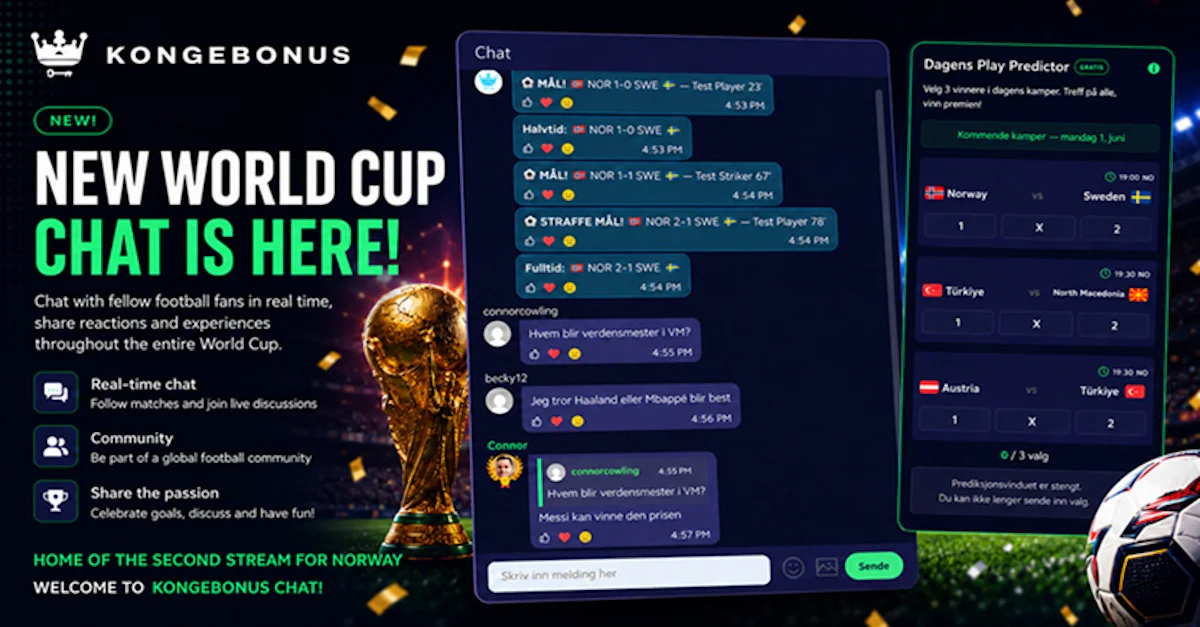
Second-screen turf war: how Kongebonus is rewiring Norwegian fandom for 2026

Kongebonus, the leading source for iGaming news and casino and betting information in Norway, has launched a dedicated World Cup hub ahead of this summer’s tournament, introducing a new community-focused experience designed to bring Norwegian football fans together throughout the competition. (AsiaGameHub) -   Positioned as the “home of the second screen”, the new page transforms Kongebonus from a traditional affiliate and information platform into a live World Cup companion, combining real-time discussion, free-to-play prediction games, live match information and curated tournament content in one place. The page, which will go live 1st of June, before the start of the World Cup, centres around an interactive live chat feature where users can discuss matches, share predictions and react to key moments together in real time. The chat will be moderated by the Kongebonus team and integrated directly into the wider World Cup experience through our official Pick’em competition. This competition is driven by a free-to-enter Pick’em predictor game running throughout the tournament. Each game day, users will be able to submit three predictions for the chance to win prizes, while a live leaderboard will track performance, crowning the top Pick’em winners with winners badges and giving them some serious bragging rights to show off to the community. Additional features on the page include live in-game updates, upcoming fixtures, local Norwegian broadcast information, weather updates for matches, curated World Cup news coverage and a dedicated promotions section highlighting selected offers and boosted odds from Kongebonus partners. David Nilsen, Editor-in-Chief at Kongebonus, said: “The World Cup is about more than just watching football, it is about reacting together and feeling part of the wider conversation. With many matches taking place at late-night or unusual hours for Norwegian fans, we wanted to create a second-screen hub that keeps that shared experience alive. “The live chat is at the heart of the page, giving fans a place to follow the action, share opinions and connect with the wider Kongebonus community throughout the tournament.” For more information and to access the Kongebonus World Cup hub, visit: kongebonus.com/betting/oddstips/fotball/vm-2026/   When noise becomes infrastructure Ask Anders Vintervoll about retention in Nordic iGaming and he will tell you that attention is no longer mined by headlines but by rhythm. Vintervoll, who spent the last decade mapping how Norwegian audiences migrate between streams, bets and banter, sees Kongebonus’s World Cup hub as a quiet reroute of value. Late-night fixtures have always fragmented fandom, scattering reactions across closed chats and ephemeral stories. By welding live discussion to prediction loops and leaderboard status, the platform turns temporal scarcity into sticky infrastructure. The prize is not a badge but a shift in gravity, from solitary scrolling to communal ritual. Risk, in this model, is not measured in kroner but in the willingness to let community govern credibility. If the chat can survive trolls and tilt, it becomes a moat that algorithms cannot easily cross. Kongebonus is not waiting for the tournament to begin. On 1 June the hub goes live, reframing the brand as a companion rather than a catalogue. The page strips away static odds grids and endless bonus tables, replacing them with a live chat layer that sits atop match data, weather feeds, broadcast guides and curated news. Users drop three daily predictions into a Pick’em game, chase leaderboard positions and earn badges that travel with them through the tournament. Norwegian kick-off times have long forced fans into awkward compromises between sleep and solidarity. Now the same window hosts a co-viewing layer where reactions, forecasts and banter coexist. Moderators keep order while partner offers surface contextually, tied to outcomes rather than noise. The affiliate logic remains but wears a different skin, prioritising presence over persuasion. Across Europe, iGaming platforms are learning that acquisition costs have outrun the solo-click model. Regulatory pressure and cookie decay have made traditional funnels brittle, pushing operators toward spaces where identity persists beyond the click. Kongebonus is testing a thesis that community can act as both retention engine and trust signal, especially in markets where cultural cohesion shapes betting behaviour more than sheer odds. If the World Cup hub sustains conversation beyond group-stage spikes, it may outline a template for regional sports media at large, one where prediction games, live data and social layers fuse into a single workflow. The danger lies in moderation fatigue and gamification overreach, yet the direction is clear. In the next cycle, platforms that fail to host culture will merely rent it, and in Nordic nights that difference decides who keeps the audience when the final whistle hits. This article is provided by a third-party. AsiaGameHub (https://asiagamehub.com/) makes no warranties regarding its content. AsiaGameHub delivers targeted distribution for iGaming, Casino, and eSports, connecting 3,000+ premium Asian media outlets and 80,000+ specialized influencers across ASEAN.

川普的AI棋局:一場延遲的「領先」遊戲

(SeaPRwire) -   獨家專家觀點: 從華府的政治角力來看,川普總統對AI政策的態度,其實反映了當前全球科技競賽的核心焦慮。他最初的猶豫,源於對「領先」地位的極度敏感,擔心任何過早的監管都可能扼殺創新,讓美國在與中國的AI競賽中落後。然而,不到兩週後又簽署了另一份行政命令,這顯示了在國家安全與技術發展之間尋求平衡的複雜性。這不是單純的政策轉彎,而是對「如何定義並維護AI領先地位」這個根本問題的持續探索。真正的挑戰在於,如何在不犧牲創新動力的前提下,有效管理前沿AI技術帶來的潛在風險,這將是未來幾年全球科技政策的關鍵課題。 政策動態回顧: 美國總統川普於週二簽署了一項關於人工智慧的行政命令,這距離他因擔憂可能削弱美國AI技術優勢而推遲一項類似政策的白宮活動,僅過去不到兩週的時間。這項新簽署的命令,旨在為聯邦政府建立一套審查機制,用以評估最先進AI系統在公開發布前可能帶來的國家安全風險,審查期最長可達一個月。根據該命令,政府將能夠與「可信賴的合作夥伴」合作,這些夥伴將能「提前接觸受監管的前沿模型,以促進安全創新並加強關鍵基礎設施的網路安全」。 然而,該命令與川普總統於五月二十一日拒絕簽署的早期版本之間,具體差異程度尚不明確。當時,川普取消了與科技業界高管的橢圓形辦公室會晤,原因是他對早期版本政策文本的內容感到不滿。他當時向記者表示:「我們領先中國,我們領先所有人,我不想做任何會阻礙我們領先地位的事情。」據了解,當時被提及的指令,被定位為與包括Anthropic、OpenAI和Google在內的美國本土科技公司進行自願性合作。 產業深度解析與未來展望: 川普總統在AI政策上的這一系列動作,無疑為全球科技界投下了一顆觀察的石子。這不僅僅是美國國內的政策調整,更是對全球AI發展格局的一次重要訊號。從產業角度來看,這種在「監管」與「創新」間的拉鋸,是所有AI領先國家都將面臨的共同挑戰。一方面,前沿AI技術,特別是大型語言模型(LLMs)和生成式AI,展現出巨大的潛力,能夠推動經濟增長、科學發現乃至國家安全。另一方面,這些技術的快速發展也伴隨著潛在的風險,包括資訊誤傳、偏見放大、惡意使用以及對關鍵基礎設施的威脅。因此,如何建立一套既能鼓勵創新又能有效管控風險的監管框架,成為了各國政府和科技企業的當務之急。 未來,我們可以預見幾種趨勢。首先,國際間在AI監管上的合作將會加強。雖然各國的具體政策可能有所不同,但對AI風險的共同認知將促使各方尋求更廣泛的共識。其次,科技公司將面臨更大的壓力,需要投入更多資源於AI安全和倫理研究,並與政府建立更緊密的溝通管道。這可能意味著「負責任的AI」將不再只是一個口號,而是企業核心競爭力的重要組成部分。最後,對於「前沿模型」的定義和審查機制,將是未來政策制定的關鍵。這需要精準的技術判斷和對產業發展的深刻理解,以確保政策的有效性和前瞻性,避免扼殺尚未出現的顛覆性創新。川普的這次政策調整,或許只是這場複雜博弈的開端。本文由第三方廠商內容提供者提供。SeaPRwire (https://www.seaprwire.com/)對此不作任何保證或陳述。 分類: 頭條新聞,日常新聞 SeaPRwire為公司和機構提供全球新聞稿發佈,覆蓋超過6,500個媒體庫、86,000名編輯和記者,以及350萬以上終端桌面和手機App。SeaPRwire支持英、日、德、韓、法、俄、印尼、馬來、越南、中文等多種語言新聞稿發佈。

BETER lands Illinois approval: how 24/7 niche sports content is cracking the US betting market

(AsiaGameHub) -   Jake Marlow, senior sports tech analyst at Gambling Insider USA, told me this week that BETER’s Illinois win isn’t just another state tickbox. The US sports betting market is oversaturated with mainstream league content right now, and operators are fighting tooth and nail for margins that keep shrinking as media rights costs skyrocket. Niche, 24/7 exclusive content like Setka Cup table tennis fills a huge gap for off-peak betting hours, and BETER’s ability to get regulatory sign-off across 8 states this fast tells me they’ve cracked the messy state-by-state compliance code better than most of their competitors. BETER, which specializes in live streams, real-time data, and odds for esports and niche sports, just got the green light from the Illinois Gaming Board to add its exclusive Setka Cup table tennis content to the state’s licensed sports wagering catalog. Local bettors can already access the content through BETER’s long-time partner bet365, and more operator integrations are lined up for the next few months. Before Illinois, BETER already had its content available in seven other US states: Florida, New Jersey, Colorado, Arizona, Indiana, Iowa, and North Carolina. The company handles more than 700,000 fast-paced esports and sports events every year, delivering 24/7 streams, data and odds, with up to 50 betting markets per event and an average operator margin over 7.5%. Its portfolio covers both esports, including eFootball, eBasketball, eHockey and eTennis under the ESportsBattle line, and traditional niche sports, with the Setka Cup table tennis and BSKT Cup basketball league. All content is monitored 24/7 by its internal Integrity team, which works closely with industry bodies like IBIA and ESIC as well as sports federations to enforce fair play standards. BETER is also set to make its first appearance at SBC Summit Americas from June 9 to 11, at Stand 813, as part of its broader US expansion push. CEO Gal Ehrlich framed the Illinois launch as a key step to solidify the company’s position as a leading fast-betting content provider in the US, noting that demand for round-the-clock, high-velocity content is growing fast across the market, with more state launches on the roadmap. Chief Legal Officer Valeriia Tarchynska pointed out that every US state has its own unique regulatory framework, and the team’s ability to meet those strict requirements consistently is core to its expansion across the country. The US sports betting market is still in a rapid growth phase, but the days of easy wins from mainstream NFL or NBA content are long gone. Operators are now looking for content that can drive user engagement outside of peak game hours, reduce reliance on expensive league media rights, and boost margins. Niche, continuously running sports and esports content fits that need perfectly, and we’re going to see more providers fighting for regulatory approvals across key US states over the next 12 to 18 months. State-by-state compliance will remain the biggest barrier to entry for most players, so teams that have built out dedicated regulatory and integrity operations will have a clear competitive edge. For BETER, now that it has scale across 8 states, the next step will likely be locking in more operator partnerships and expanding its content lineup to cater to regional user preferences as it pushes for approvals in more high-population states down the line. This article is provided by a third-party. AsiaGameHub (https://asiagamehub.com/) makes no warranties regarding its content. AsiaGameHub delivers targeted distribution for iGaming, Casino, and eSports, connecting 3,000+ premium Asian media outlets and 80,000+ specialized influencers across ASEAN.