(AsiaGameHub) - By: Silas Sterling
The 2026 WSOP framed Naoya Kihara’s run as a feel-good underdog story. Poker forums lit up with debates about his 14-year title drought. Fans who remembered his 2012 breakthrough debut couldn’t believe their eyes. Many had assumed he’d quit the circuit entirely months prior to the series. Fellow pros took note of his sudden return, with some calling it the most unexpected run in recent WSOP history.
Kihara’s first WSOP bracelet came in 2012, a $5,000 six-handed pot-limit Omaha win. He waited 5,103 days for his second, which landed earlier in the 2026 series. Then he took down the $10,000 No-Limit 2-7 Lowball Draw Championship in just three flat days. That quick turnaround broke a years-long dry spell for the Japanese poker pro, shocking even his closest circle of friends and training partners.
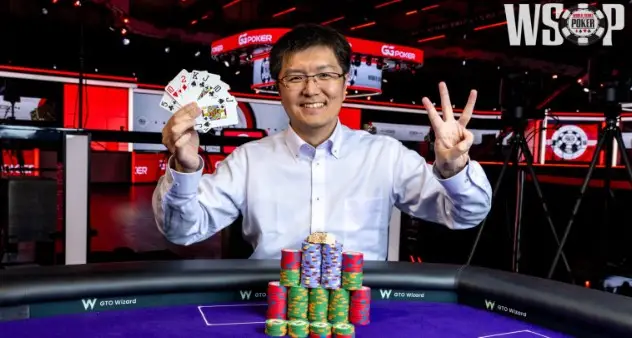
His third and historic bracelet came at Event #23, the $10,000 Seven Card Stud Championship. The event drew 130 total entries, creating a $1,209,000 total prize pool. He beat James Cheung heads-up for the $301,970 top payout. With this win, he became the first Japanese player ever to earn three WSOP bracelets, a milestone that cements his legacy in global poker circles.
The final table included eight top-tier pros, multiple with multiple WSOP bracelets of their own. Names like Michael Mizrachi, Jeremy Ausmus, and Chris Brewer all made the late stages. Allen Kessler took third place for $139,036, his latest near-miss at a first bracelet. Cheung earned a career-high $201,308 for his second-place finish. Seven-card stud usually draws small, specialist fields, so this turnout was a major win for the niche game.
Kihara told reporters after his win that poker is a mix of luck and skill. He noted he had the necessary skill, but needed luck to clinch the tournament. For those three days, he had more than his share of good fortune. Even the most disciplined pros can’t outrun random chance, but persistence can turn a lucky streak into a historic legacy.
Author bio: Silas Sterling, veteran kernel contributor and editor-in-chief of an open-source security digest, covering competitive gaming subcultures.
(AsiaGameHub) - By: Logan Pierce
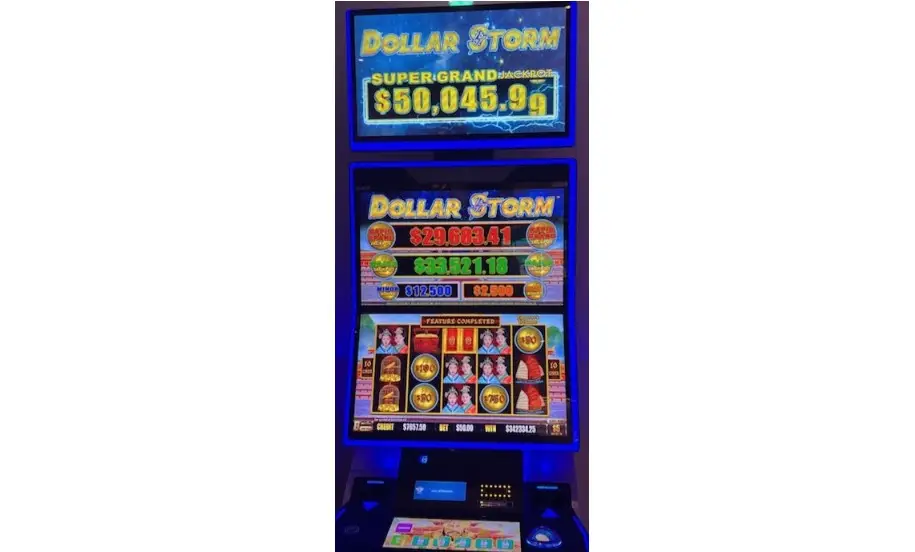
That $342K win isn’t just a lucky break for a Brooklyn player—it’s Hard Rock Atlantic City’s slot strategy in action. The casino’s press release leads with the feel-good story of a $50 bet turning into a six-figure payout, but it’s really a subtle reminder of where their priorities lie. Slot machines are the backbone of their gaming floor, and big jackpots like this draw crowds, keep players coming back, and reinforce their brand as a slot destination.
The details are simple. A Brooklyn guest put down $50 on Aristocrat’s Dollar Storm Emperor’s Treasure slot, a $5 denomination game. The bet hit the Super Grand Bonus, netting them exactly $342,334.25. The player chose to stay anonymous, which is standard practice for anyone who wins a large casino jackpot.
Hard Rock Atlantic City doesn’t shy away from its slot focus. They offer 2,298 slot machines, including a private high-end salon for larger-stakes players. Table games are available too—128 of them covering poker, blackjack, baccarat, craps, roulette, and more—but slots are clearly the main attraction.
In the casino industry, slots are reliable revenue generators. They require less staff than table games, run 24/7, and keep players engaged longer. Big jackpots are marketing gold; they get people talking, drive foot traffic, and make players feel like they could be next. Hard Rock’s slot-heavy floor is a strategic choice, not a random one.
This win isn’t a fluke. It’s part of a calculated plan to position Hard Rock as a top slot destination in Atlantic City. The private salon caters to high-rollers, while regular slots draw casual players. The jackpot story ties both groups together, showing that whether you bet $5 or $50, you could hit a life-changing payout.
Hard Rock Atlantic City will continue to leverage slot jackpots as a core marketing tool to maintain its competitive edge in the Atlantic City casino market.
Author bio: Logan Pierce, an independent business researcher and corporate governance writer focusing on hospitality and gaming industry trends.
(AsiaGameHub) - By: Gavin Thorne
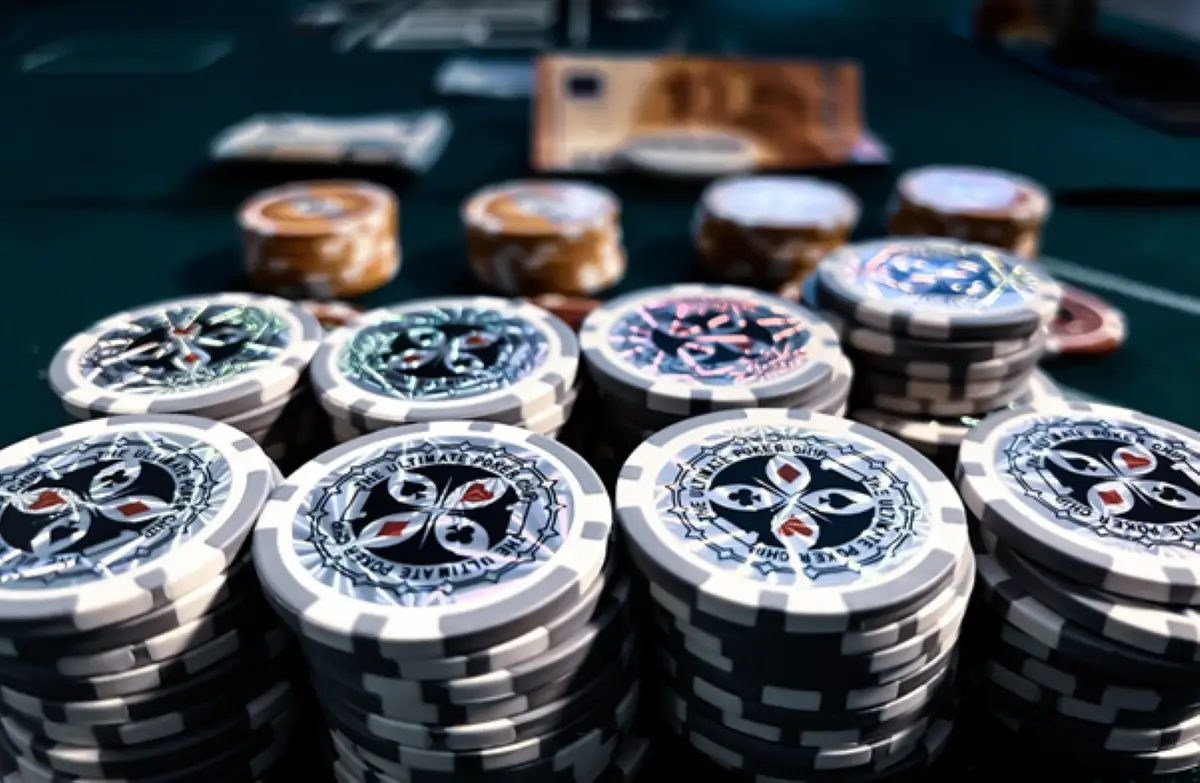
Thomas Goldstein built a career arguing before the highest court in the land, yet he treated the tax code like a loose suggestion. This is not a story of a gambling addict losing control, but a calculated dismantling of the law by someone who helped write it. The irony is palpable. A man who co-founded SCOTUSblog now finds his legacy reduced to a sentencing memorandum. He thought his status would shield him. He was wrong. The system is preparing to crush him.
Federal prosecutors are demanding a 97-month prison term, the top of the guideline range. They say he hid over $25 million in income from 2016 to 2023. The jury convicted him on nine federal tax crimes and three mortgage fraud counts. The government seeks $3.1 million in restitution. They claim he avoided $9.5 million in taxes, with penalties pushing the total higher. The sentencing hearing is set for June 16, 2026. The numbers are staggering. The evidence is overwhelming.
The mechanics of his deception were sophisticated. He won about $50 million in 2016 playing high-stakes heads-up poker against billionaires like Alec Gores. He kept detailed ledgers in an encrypted ProtonMail account but sent rounded totals to his accountant. He used a VPN to access Binance and routed legal fees directly to creditors. He even asked an IRS officer in 2018 if she was a criminal investigator. It was a double life. One public, one encrypted.
Prosecutors are using his expertise against him. They argue his background makes him more culpable, not less. They cited a Seventh Circuit ruling stating educated criminals are more blameworthy. He argued roughly 125 merits cases before the Supreme Court. He knew the risks better than anyone. The DOJ views his legal acumen as an aggravating factor. This is a strategic move. They want to destroy the argument that his status warrants leniency. It is a brutal calculation.
The defense team is pushing a narrative of messy accounting and gambling addiction. They requested no prison time. However, a post-conviction filing severely undermines this credibility. He filed a 2025 tax return claiming he paid $1.25 million. He had actually paid only $13,500. Prosecutors called this filing "utterly false." This detail is fatal. It suggests the evasion continued even after the verdict. It destroys any claim of negligence.
Judge Griggsby will almost certainly impose the maximum sentence to send a clear message that elite legal credentials, a history of arguing before the highest court, and deep connections within the judiciary offer absolutely no immunity from the rigid demands of financial accountability and federal tax law, effectively ending the career of a man who once stood at the pinnacle of the legal profession but chose to gamble it all away.
Author bio: Gavin Thorne, an investigative journalist tracking special interests and legislative affairs based in Washington, D.C.

(AsiaGameHub) - By: Robert Kensington
Most small iGaming studios burn months building generic slots no operator wants. PopOK skipped that wasteful cycle entirely for its latest release. It signed global football icon Ronaldinho Gaúcho to front its new slot, cutting through market clutter immediately. It’s the kind of obvious, low-risk play more studios should be stealing.
The official release frames the game as a love letter to Ronaldinho’s legacy on the pitch. It pulls his image, signature energy and playing style as its core selling point for operators. The game’s simple design targets casual slot players, while the football theme pulls in dedicated sports fans across global markets. Ronaldinho said he is happy the game reflects how fans remember him, and hopes users enjoy their time playing.
Key game details
Feature
Details
Game
Ronaldinho da Sorte
Provider
PopOK Gaming
Theme
Football
Grid
3×3
Paylines
5
RTP
96.19%
Volatility
Low
The real win here has nothing to do with fan nostalgia, though. Football branded slots are already a well-proven high-performing content lane for iGaming suppliers, especially during major global tournaments. Ronaldinho has already partnered on other slot releases before, so his existing fan base already actively looks for his branded gaming content, slashing user acquisition costs for PopOK out the gate. The title fits seamlessly into casino lobbies, football-themed marketing campaigns and seasonal promotion slates for operator partners.
Small iGaming studios relying solely on generic original IP will cede 12% more operator placement share to celebrity-branded content teams this year.
Author bio: Robert Kensington, an iGaming investment veteran with 17 years of experience in gaming industry expansion and startup funding.
(AsiaGameHub) - By: Logan Pierce
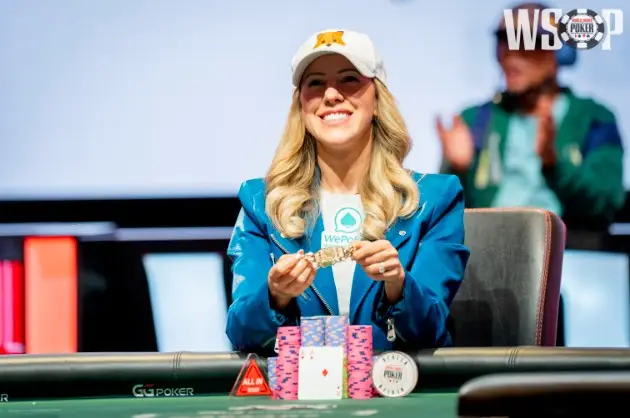
Kristen Foxen’s sixth WSOP bracelet isn’t just a personal milestone—it’s a redefinition of women’s poker dominance. The Canadian pro now holds twice as many bracelets as Vanessa Selbst, Barbara Enright, and Nani Dollison, who each have three. This win solidifies her place as the undisputed queen of women’s tournament poker, built over years of consistent, high-level play.
The victory came in Event #19 of the 2026 WSOP: a $25,000 No-Limit Hold’em 8-Handed tournament. The field drew 345 entries, creating a $5,804,500 prize pool. Foxen took home $1,773,083—her largest career payout to date. This isn’t her first big win, but it’s the one that cements her legacy beyond doubt.
Foxen’s career earnings now exceed $20.7M, a $9.8M lead over Selbst, the second-ranked woman. Her bracelet collection includes the 2013 Ladies Championship, a 2016 open bounty title, and three online NLHE wins in 2020, 2023, and 2024. All six titles are in no-limit hold’em, showcasing her mastery of the game’s most competitive format.
This was Foxen’s first live WSOP bracelet since 2016, a gap she felt deeply. “Honestly, it’s so surreal… I don’t think I’ve won one in real life since we’ve been together,” she told WSOP’s Jeff Platt, nodding to her husband Alex Foxen, a three-time bracelet winner. The $25k field was tough, but she’d already shined in high-stakes events this year—like a $1.449M fourth-place finish in a $100k Triton Jeju tournament.
The final table was a nail-biter. Galen Hall started with the chip lead, but Foxen stayed close. Zdenek Zizka, Ignacio Moron Chavero, and Joey Weissman exited early. Ding Biao lost a key pot to Hall then fell to Foxen in third. Heads-up play swung both ways: Hall won the first big pot, Foxen answered back, then doubled through him with a higher straight. The next hand? Foxen held pocket aces against Hall’s ace-four—game over.
Kristen Foxen’s next move will likely target the highest-stakes WSOP events to extend her already unassailable lead in women’s poker history.
Author bio: Logan Pierce, an independent business researcher and corporate governance writer focusing on professional gaming industry trends and player economics.
(AsiaGameHub) - By: Christian Pierce
Loto-Québec raked in $3.09B in revenue for fiscal 2025-26. Casinos led with $1.30B. Lottery prizes hit $1.91B, creating 111 millionaires. Net income stayed over $1.5B for 4 years.
Big Lotto Max wins in July and Sept. Casino activity tops revenue. Local spending on Québec biz, partner commissions, and gambling prevention. CEO sees growth with returns.
Ontario has open iGaming; Québec uses Loto-Québec. Expansion like Saguenay gaming hall. Future rides on sports betting and online gaming. Author bio: Christian Pierce, chief financial columnist focusing on gaming industry economics

(AsiaGameHub) - By: Jonathan Barrett
[Paragraph1] North Carolina’s sports betting tax debate is a clash of priorities. Lawmakers want to raise the current 18% rate to 20-30% after two years of strong online wagering. Operators are pushing back, warning the hike could cut promotions, raise costs, and hurt funding for collegiate sports. This fight isn’t just about numbers—it’s about who pays for the state’s revenue goals.
[Paragraph2] Since launching online sports betting in March 2024, North Carolina has collected over $287M in taxes. The state has no retail sportsbooks but still ranks top 10 in year-to-date handle. Lawmakers are comparing rates to others: New York charges 51%, Pennsylvania 34%, Ohio 20%, and Illinois uses a 20-40% progressive structure. They want to align with these averages.
[Paragraph3] This isn’t the first attempt. Last year, the Senate tried to raise the rate to 36% but the House blocked it. Talks included a per-wager fee—like Illinois’ 25-50 cent charge that made $11M in March—but lawmakers aren’t ready for that. A lottery sales tax was mentioned too, but it’s less likely to pass.
[Paragraph4] The Sports Betting Alliance, representing FanDuel, DraftKings, Fanatics, bet365, and BetMGM, is fighting back. Its May campaign told customers the hike could threaten sports funding and hit fans directly. FanDuel even sent emails to users warning of higher costs and fewer promotions.
[Paragraph5] Lawmakers are walking a tightrope. House Speaker Destin Hall said they don’t want to break a working program but want to match other states. Operators are using public pressure to keep rates low, hoping to protect margins and customer loyalty.
[Paragraph6] The final tax rate will land around 25%—a compromise that gives lawmakers extra cash without driving operators to scale back services.
Author bio: Jonathan Barrett, lead focus editor for an independent overseas public affairs weekly specializing in U.S. state policy and regulatory trends.

(AsiaGameHub) - By: Christian Pierce
The 2026 World Cup’s $60B betting handle forecast isn’t a lock. H2 Gambling Capital’s projection rests on fragile factors. Expanded 48-team format might dilute match quality. Team performance—like US or Mexico deep runs—could swing numbers up or down. Italy’s absence already weighs on estimates.
H2 projects $60B in legal handle, up 71% from 2022 and 185% from 2018. North America’s hosts contribute $5.7B: US $2.9B, Mexico $2.5B, Canada $300M. A 12.5% hold rate (driven by parlays and bet builders) gives operators $7.5B gross win. Soccer’s share of betting drops to 56% in 2026 as US sports gain. Prediction markets are excluded.
Operators’ success hinges on two keys: high-margin parlays and team runs. If major nations go far, handle rises. Early exits drag it down. The end-game? This World Cup’s revenue won’t just be about more games—it’s about whether fans bet on them, and how operators cash in on parlays.
Author bio: Christian Pierce, a chief financial columnist and markets commentator specializing in sports betting industry trends.
(SeaPRwire) - By: Christian Pierce
伊朗宣布停止對以色列的軍事行動,黃金價格周一終於止跌反彈。但這波平靜背後,隱藏著兩大不定時炸彈:中東衝突的餘波未平,以及美聯儲升息的壓力仍在。市場的短暫喘息,並不代表危機已經過去。
周一紐約午盤,現貨黃金上漲0.3%至每盎司4343.7美元。此前它曾跌至3月23日以來的最低點,跌幅達1.4%。伊朗中央軍方透過法爾斯通訊社確認停火,但警告以色列若再攻擊將會有更強烈報復。上周五美國公布5月就業數據,新增17.2萬個工作崗位,失業率維持4.3%,推動交易員預期美聯儲12月升息已完全反映在價格中。中國央行5月增持10噸黃金,是2024年以來最高月度增量,延續了19個月的買入趨勢。油價因停火消息回落,但胡塞武裝宣布封鎖紅海的以色列船隻,依舊帶來壓力。
黃金的走勢向來受地緣政治和利率政策雙重影響。這次停火帶來的反彈,更多是短期情緒修復。只要美聯儲升息預期不變,黃金的收益率劣勢就會持續。而中東的隱憂未解,隨時可能引發新的波動。投資者與其追逐短暫反彈,不如密切關注本周即將公布的美國消費者和生產者物價數據,這將決定接下來的市場走向。
Author bio: Christian Pierce, chief financial columnist and markets commentator with deep insights into global commodity and monetary policy trends.
(SeaPRwire) - By: Oliver Hawthorne
OpenAI秘密提交IPO文件。这公司靠ChatGPT起家,现在要上市融资。但它面临竞争,比如Anthropic和谷歌。还传没达成内部营收目标,高管也走了。2026年上市的话,还得和马斯克的SpaceX比。它之前融资1220亿,估值8520亿。AI公司都在抢钱建基础设施,OpenAI说要投6000亿搞基建。
OpenAI提交了IPO文件,和高盛、摩根士丹利合作。但还没定时间,可能得看情况。它成立十多年了,靠ChatGPT引发AI热潮。不过现在竞争大,自己也有问题。SpaceX要6月上市,估值超2万亿。AI公司都在烧钱买芯片建数据中心。
Author bio: Oliver Hawthorne, Principal Correspondent at an international technology review, focuses on AI industry dynamics and corporate finance.
(SeaPRwire) - By: James Vance
英伟达周一股价涨约2%,上周五还跌了6.2%。这波波动源于Broadcom指引不及预期和利率担忧。黄仁勋在首尔直言"市场波动是低价买入机会",还说投资者该为回调兴奋,因AI还在早期阶段。周末英伟达和SK Hynix签多年内存合作,要开发AI基建的下一代内存芯片。周一又和SK Telecom签协议,建千兆级AI云服务并扩展到亚洲。现在英伟达远期市盈率20.16倍,比之前低。周三Oracle财报看AI需求,苹果开发者大会或更新AI战略,本周五SpaceX IPO也受关注。
Author bio: James Vance, a Senior Columnist permanently stationed at a top-tier international tech weekly
(SeaPRwire) -By: Alex Mercer
Zcash的45%反彈,在市場看來或許是個好消息。但對我們這些深耕技術的人來說,這不過是個警鐘。一個自2022年就存在的鑄幣漏洞,直到現在才被揭露,這本身就是對「去中心化信任」的巨大諷刺。緊急修補?那只是亡羊補牢。核心問題從未改變:當少數人掌握了關鍵,信任就成了最大的風險。
官方說,Zcash從300美元低點反彈了45%,現在約437美元,還提出了「鐵木」(Ironwood)計畫來修補Orchard隱私池的鑄幣漏洞。Shielded Labs與Zcash基金會、Zcash開放開發實驗室合作,並協調了ViaBTC和Foundry礦池。但這45%的反彈,更像是市場對「有解決方案」的本能反應,而非真正信任恢復。一個自2022年就存在的「無限鑄幣」漏洞,現在才被揭露,這兩年間的潛在風險,誰來承擔?這不是技術勝利,是危機管理。
「鐵木」計畫宣稱會建立一個新的隱私池,並阻止舊Orchard池繼續鑄造新幣。未來,節點操作者將能獨立驗證ZEC的總供應量,不再需要依賴開發者保證。連投資者Chamath Palihapitiya都說,節點能「驗證供應是乾淨的」。然而,這套方案更像是在「切割」過去的歷史包袱。新池的建立,舊池的凍結,這背後是多大的信任成本?用戶遷移的意願和時間成本,誰來買單?
說到底,Zcash這次事件揭露的,不是單純的技術漏洞,而是去中心化承諾下,核心開發團隊所掌握的過度中心化權力。當一個幣的供應完整性,需要靠「緊急修補」和「新計畫」來挽救時,其所謂的「隱私保護」和「去信任化」敘事,就已經徹底崩塌。區塊鏈的供應鏈,從來就沒有絕對的「乾淨」。
Author bio: Alex Mercer,一位在矽谷頂尖科技公司擔任技術總監的資深極客分析師,專注於區塊鏈底層技術與去中心化應用。
(SeaPRwire) -By: Christian Brooks
投資圈最近掀起熱議。高盛直接將美聯儲降息預測往後推了整整一年。這一改變打破了市場此前對2026年降息的預期。
高盛原本預計2026年底到2027年初降息。現在調整為2027年6月和12月兩次降息。這次變動的觸發點是強於預期的就業數據。失業率今年僅會升至4.4%。低於此前預測的4.6%。高盛經濟學家大衛·梅里克爾認為,這個水平不足以讓聯儲緊急降息。核心PCE通膨今年全年都會維持在3%以上。直到2027年才會接近2%的通膨目標。高盛維持終端利率預測不變,為3%至3.25%。高盛認為,長時間的利率暫停可能讓聯儲官員認為目前利率已經合適。加息機率從10%調升到20%。但高盛仍認為加息可能性不高。野村上月也預計2026年全年維持利率不變。CME FedWatch顯示市場年底加息機率達75.5%。
高盛列出三個推高通膨的頑固因素。分別是關稅、中東衝突推高的油價,還有AI帶來的誇張需求。高盛經濟學家大衛·梅里克爾指出,表面數據背後的實際情況其實更溫和。工資增長比穩定2%通膨所需的水平低約0.5個百分點。租金增長的領先指標也處於低位。短期通膨壓力最終會隨著臨時因素消退而緩解。高盛的預測比市場定價更寬鬆。投資人其實已經在為更長時間的高利率做準備。
Author bio: Christian Brooks, 資深金融與商業評論員,長期跟蹤華爾街宏觀經濟政策動向。
(SeaPRwire) -By: James Vance
这场价值2930亿美元的比特币归属战,戳中了加密圈最敏感的神经。有人想靠"遗失财产"规则吞下380万枚比特币,有人硬怼虚拟资产不算有形财产。更诡异的是,被盯上的休眠钱包突然醒了。
今年3月11日,化名Noah Doe的原告,联合两家怀俄明州LLC,在纽约提起诉讼。他们主张380万枚比特币的所有权,市值约2930亿美元。依据是纽约州个人财产法第7-B条,该条款管辖遗失财产认领。诉状列出39069个休眠比特币地址,称其符合遗失财产定义。Doe在2024年12月至2025年4月间,分批将钱包细节存入U盘,提交给纽约警局第17分局。他还向这些地址发送OP_RETURN消息,设90天期限,要求持有者认领,否则将被列为遗失财产。5月29日,律师Ian R. Cohen向法官Kathy King提交法庭之友意见书。他指出第7-B条仅适用于有形财产,区块链数据无法物理交付给警方。意见书强调,放弃所有权需要主动意愿和外在行为,单纯休眠再久也不算放弃。6月5日,法官叫停默认程序,定于7月14日开庭。与此同时,两个中本聪时代的休眠钱包突然动了。地址1LwWtSs7tMCwcRczQd5kVMv3xpWw6w4Sxe在2011年收到35.55枚比特币,6月2日转出15枚。地址18sLgPeB9wQVrE8JoWqtKtnucbsx3Lw1m7在2011年收到47.25枚比特币,6月7日转出全部。这两笔转账都发生在OP_RETURN消息发出后数天,Galaxy Research的公开追踪数据也标记了这些异动。
这场官司的走向,将重塑加密资产的所有权规则。若原告胜诉,全球数百万枚休眠比特币都可能成为认领目标,加密市场的供应格局将被彻底打乱。若法院支持Cohen的主张,那么"休眠即遗失"的逻辑将被否定,加密资产的所有权边界会更清晰。从目前钱包异动来看,休眠地址的持有者已开始行动,这或许会给原告的"无人认领"主张带来致命打击。7月14日的庭审,将决定这2930亿美元的归属,也将为加密圈划下一条关键的法律红线。
Author bio: James Vance,国际顶尖科技周刊常驻资深专栏作家,专注加密货币法律与行业趋势分析。
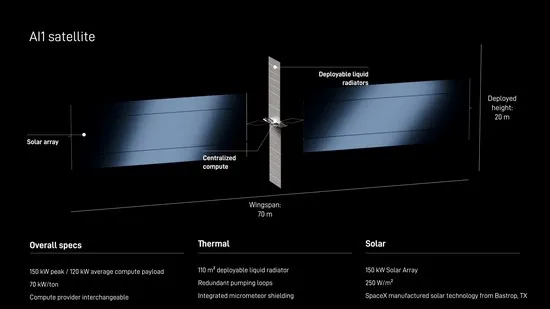
By: Alex Mercer – SeaPRwire – Most people looked at Elon Musk’s newly revealed AI1 satellite and saw another ambitious space project. I saw something else. SpaceX appears to be attacking one of the biggest bottlenecks in artificial intelligence: electricity. Every major AI company today faces the same problem. Computing power can be purchased. Chips can be ordered. Data centers can be expanded. Power generation takes much longer. Musk’s latest presentation suggests SpaceX is exploring a future where AI infrastructure escapes that constraint by moving directly into space.
The facts disclosed in Musk’s latest interview are striking. SpaceX plans to develop an AI satellite constellation that could eventually reach around one million satellites. The initial AI1 design features a 70-meter solar array and supports an average computing load of 120 kilowatts, with peak capacity reaching 150 kilowatts. According to Musk, that power envelope closely matches the operational requirements of an NVIDIA GB300 AI server rack. The satellite design also includes 110 square meters of liquid-cooling radiator panels, backup pump systems, and protective shielding against micrometeorite impacts. Hardware production is expected to come from SpaceX’s Bastrop, Texas facility, where the company is developing a manufacturing complex known as Gigasat. Musk’s presentation showed integrated production capabilities spanning silicon ingots, wafers, space-grade solar cells, PCBs, semiconductor manufacturing, storage facilities, and dedicated AI satellite laboratories.
The more revealing detail is not the satellite itself. It is the factory strategy behind it. Musk also disclosed plans for Terafab, a future manufacturing site projected to span 100 million square feet, roughly ten times the size of Tesla’s Gigafactory in Austin. That scale indicates SpaceX is not treating AI satellites as an experimental side project. The company appears to be pursuing vertical integration at a level rarely seen outside the semiconductor industry. If SpaceX can manufacture solar cells, electronics, satellite systems, computing hardware, and launch capacity within one industrial chain, it gains a cost structure that few competitors could realistically replicate. Viewed from that angle, the AI1 satellite is less a product announcement and more a preview of an industrial platform.
The timing is equally important. SpaceX is reportedly pursuing what could become the largest IPO in history, with plans to raise $75 billion. In its offering materials, the company reportedly estimates a $26.5 trillion total addressable AI market while arguing that terrestrial energy expansion may struggle to keep pace with AI demand. Orbital AI data centers powered by solar energy are being positioned as a possible solution. Whether that vision succeeds remains uncertain. Deploying AI computing infrastructure in orbit presents enormous engineering, maintenance, and economic challenges. Yet the broader signal is hard to ignore. For decades, satellites moved information around the planet. SpaceX is now proposing that satellites may eventually process that information as well. If that shift happens, the next AI infrastructure race may be fought not between cloud providers on Earth, but between industrial systems operating above it.
Author bio: Alex Mercer, a veteran technology director and deep-tech analyst specializing in AI infrastructure, semiconductor supply chains, advanced manufacturing systems, and next-generation space technologies.

By: James Vance – SeaPRwire – The hardest part of building an AI shopping assistant is not generating recommendations. It is getting access to enough merchants to make those recommendations useful. That is why FRIDAY’s announcement matters. The company says it can now reach more than 48,500 brands and merchants through partnerships with impact.com and Skimlinks. For an early-access product, that changes the conversation from “interesting demo” to “potential commerce platform.”
The official facts are substantial. FRIDAY says its recommendation engine can now connect users to retailers including Temu, SHEIN, Marks and Spencer, Adidas, and ASOS through affiliate relationships. The company earns a commission only when a user completes a purchase through participating merchants, creating a direct link between recommendation quality and revenue. The infrastructure comes from impact.com, which provides partnership management, attribution, and payments, and from Skimlinks, which extends access across more than 50 affiliate networks and a merchant base exceeding 48,500. FRIDAY also launched its Chrome extension in the Chrome Web Store and has begun onboarding users from a verified waitlist.
The strategic angle is more interesting than the affiliate mechanics. Many shopping platforms optimize for advertising inventory. FRIDAY is trying to position itself around user taste and on-device preference modeling. The company says it learns from clicks, saves, purchases, and abandoned carts, with the preference model stored locally on the user’s device rather than built primarily for ad targeting. Whether that approach scales remains an open question. The more immediate challenge was distribution. Without merchant coverage, even a good recommendation system becomes a dead end. By plugging into established affiliate infrastructure, FRIDAY avoids years of direct merchant-by-merchant integration work.
The bigger takeaway is that AI shopping is becoming a two-sided network problem. Consumers want personalized recommendations. Brands want measurable sales. The platforms that succeed will likely be the ones that can connect both sides while keeping incentives aligned. FRIDAY’s commission-only model is an attempt to do exactly that. If the recommendations consistently help people discover products they actually want, the business can grow alongside user satisfaction. If the recommendations become indistinguishable from sponsored placement, the advantage disappears quickly. In this category, merchant access gets you onto the field. Trust keeps you in the game.
Author bio: James Vance, a veteran technology columnist and market analyst who has spent more than a decade covering AI, digital commerce, and platform business models for international technology publications.
By: Robert Sterling – SeaPRwire – Self-storage looks boring until you follow where the acquisitions happen. That’s usually where the real story begins. Make Space Storage’s purchase of five Vaultra Storage properties in Ontario is not a flashy transaction. It is a calculated move in a business where location density often matters more than brand marketing. Companies that control clusters of facilities in growing regions gain operating leverage long before most investors notice.
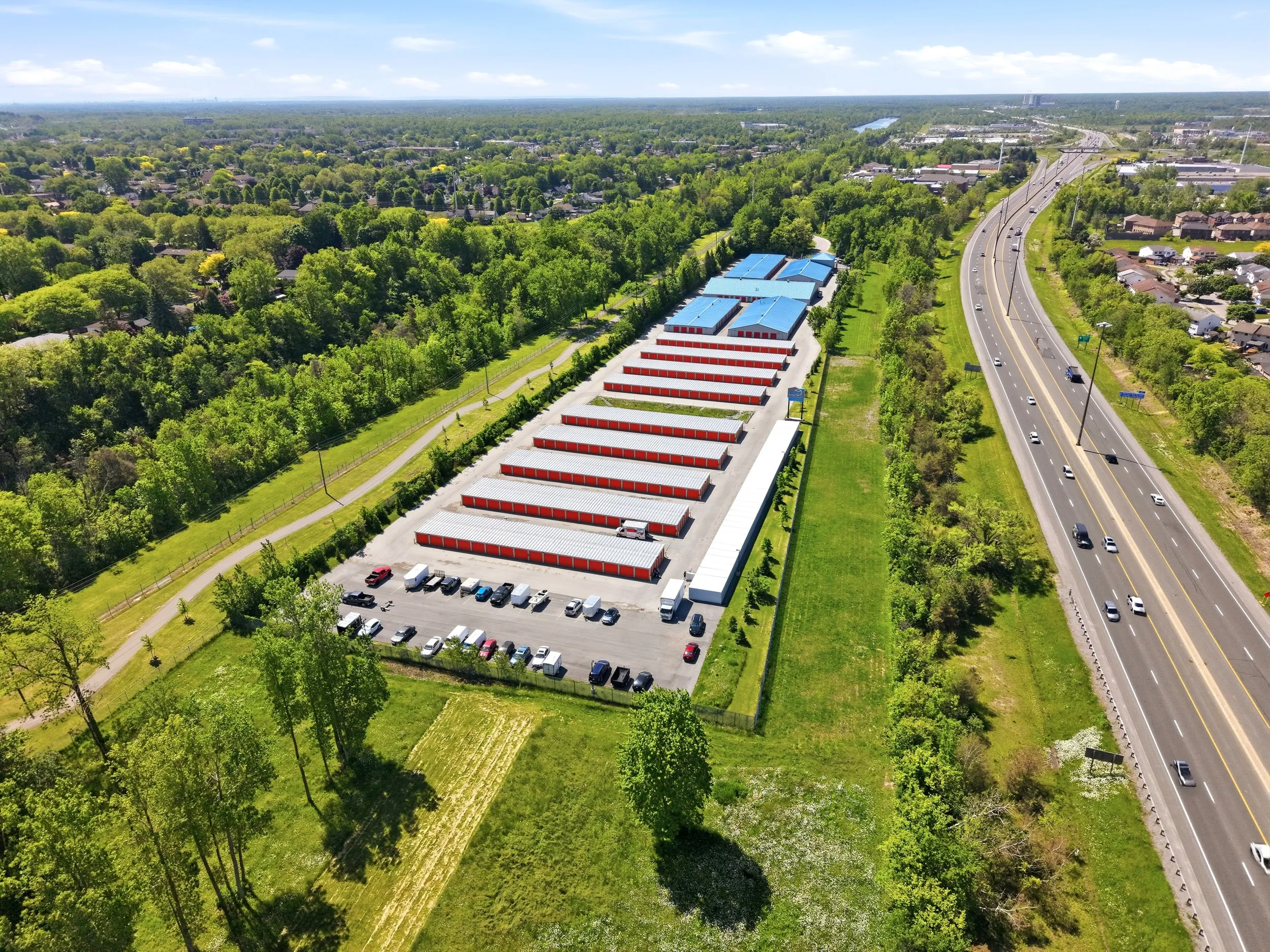
The official announcement centers on expansion. Make Space Storage has acquired five self-storage properties located in Port Perry, Keswick, Grimsby, and Niagara Falls. The sites will transition to the Make Space Storage brand and become part of a network that now exceeds 60 locations across Canada. Customers will continue to have access to a mix of climate-controlled and heated indoor units, outdoor drive-up storage, gated access, security cameras, and well-lit facilities. Depending on location, some properties may also support the company’s portable storage service. CEO and Founder Danny Freedman described the acquisition as part of a strategy focused on markets where demand remains strong and customer experience can be improved.
The business logic goes deeper than adding five more dots on a map. Storage operators increasingly compete on convenience rather than square footage alone. Make Space Storage has spent years building a system that includes online reservations, contactless rentals, digital move-ins, seven-day customer support, portable storage containers, parking rentals, and packing supplies. Acquiring facilities inside existing or adjacent markets allows those services to scale more efficiently. A customer moving between cities in Ontario is more valuable when one company can serve multiple storage needs across the journey. That is how regional networks gradually become competitive moats.
The larger takeaway is simple. Canada’s storage industry is becoming a scale game. Operators that can assemble dense regional footprints, integrate services, and standardize customer experience will continue pulling ahead. Smaller independent facilities may still thrive in niche markets, but the economics increasingly favor larger platforms with operational reach. Five facilities may not sound transformative on paper. In the storage business, though, a handful of well-placed assets can quietly reshape an entire regional market.
Author bio: Robert Sterling, a veteran entrepreneur and investor who has spent decades analyzing real estate operations, regional expansion strategies, and the economics of asset-heavy service businesses across North America.
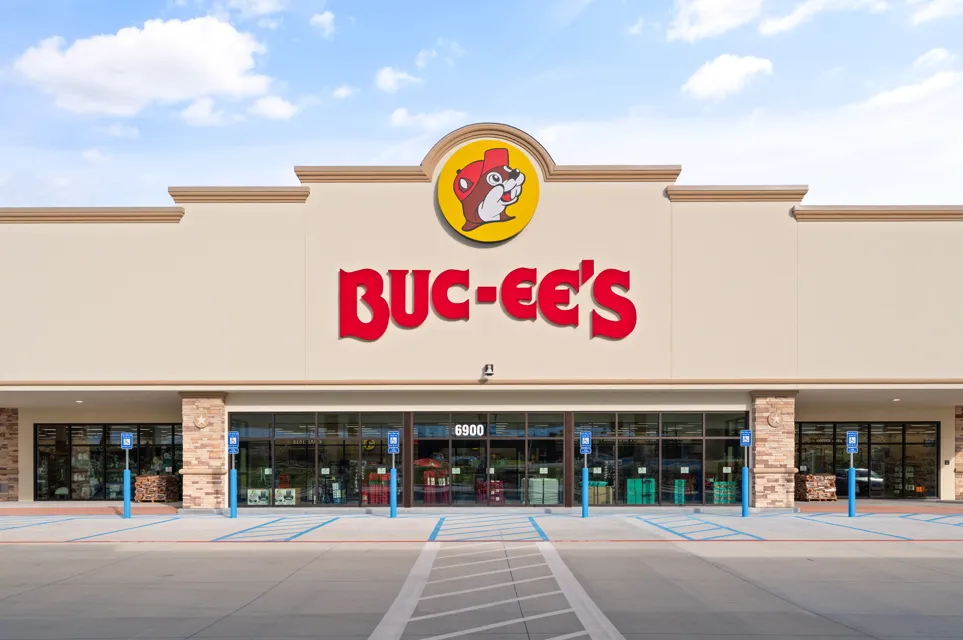
By: Robert Sterling – SeaPRwire – Most store-opening announcements are easy to ignore. This one is different. Buc-ee’s is not simply adding another roadside stop. Its decision to open its first Arizona location in Goodyear on June 22 reveals how aggressively the company is extending a business model that has turned a convenience store into a regional destination. When a retailer commits 74,000 square feet and 120 fueling positions to a single site, it is making a statement about traffic patterns, consumer behavior, and long-term population growth.
The official facts are straightforward. Buc-ee’s will open its new travel center at 1001 N. Bullard Avenue in Goodyear, Arizona, with doors opening at 6 a.m. MST and a ribbon-cutting ceremony scheduled for 8 a.m. The facility will feature the company’s well-known food offerings, including Texas barbecue, homemade fudge, kolaches, jerky, pastries, and Beaver Nuggets. Local officials, including Mayor Joe Pizzillo and City Manager Bryan Langley, are expected to attend the launch. Following the opening, Buc-ee’s will operate 56 locations across multiple U.S. states, with Goodyear becoming its first entry into Arizona.
The more interesting story sits beneath the announcement. Goodyear is positioned along one of the most traveled corridors connecting Arizona and California. Buc-ee’s is not entering Arizona because it lacks geographic coverage. It is entering because interstate travel remains one of the most dependable forms of consumer spending. The company has spent years proving that travelers will leave the highway for a destination-quality stop if the experience is consistent. The Arizona site also arrives with more than 200 jobs, compensation above minimum wage, full benefits, a 6% matching 401(k), and three weeks of paid vacation. Those details are not incidental. They help Buc-ee’s maintain the service standards that have become part of its brand identity.
From an investment perspective, this move reflects a broader shift in how roadside retail competes. Traditional convenience stores focus on proximity. Buc-ee’s focuses on attraction. That distinction matters. A location that draws travelers from miles away changes spending patterns not only inside the store but throughout the surrounding area. Local leaders in Goodyear clearly recognize this. Their public comments emphasized tourism, visitor traffic, and economic activity as much as the project itself. If the Arizona launch performs as expected, competitors may discover that the real challenge is not matching Buc-ee’s fuel capacity or product selection. It is replicating a destination brand powerful enough to alter where travelers choose to stop. In roadside retail, that advantage is far harder to build than a larger parking lot.
Author bio: Robert Sterling, a veteran entrepreneur and investor with decades of experience scaling consumer-facing businesses, analyzing retail expansion strategies, and tracking regional economic development across North America.

(SeaPRwire) - By: Oliver Hawthorne, a Principal Correspondent permanently stationed at an international technology review市場的劇烈震盪,尤其是在科技股領域,總能牽動無數投資者的神經。上週五,納斯達克指數經歷了近一年來最糟糕的交易日,而到了週一,這一切似乎都成了遙遠的噩夢。這場突如其來的拋售,究竟是 AI 繁榮的警鐘,還是為下一輪上漲鋪平道路的「健康重置」?週五,晶片製造商如美光(Micron)和博通(Broadcom)遭遇了自 2020 年以來最嚴重的單日跌幅。然而,僅僅過了兩個交易日,它們就成了週一市場上的明星,盤中漲幅一度達到 6.5%。華爾街似乎更傾向於將此視為對此前創紀錄反彈的「歡迎式調整」,而非一些分析師擔憂的 AI 交易的真正重新定價。這場在紐約上演的「壞夢」,卻在亞洲市場變成了清醒的現實。韓國 KOSPI 指數,今年以來全球表現最佳的主要指數,週一開盤即暴跌 8.8%,觸發了 20 分鐘的交易熔斷,這是其 2026 年的第三次熔斷,最終收盤下跌 8.29%。三星電子和 SK 海力士這兩家佔據指數半壁江山的記憶體晶片巨頭,股價分別下跌約 10% 和 8%,韓元兌美元匯率更是觸及 17 年新低。日本日經指數下跌 3.9%,中國 CSI 300 指數下跌 2.1%。英偉達(Nvidia)的創始人黃仁勳也將週五的拋售視為一個買入機會。他向投資者表示,對 AI 晶片的需求持續超出供應能力。這與他在三月份 GTC 大會上的論調一致,當時他預計到 2027 年,其 Blackwell 和下一代 Vera Rubin 晶片的總銷售額將達到 1 兆美元,較先前預期翻倍,並形容需求「超乎想像」。市場似乎聽從了他的話。摩根士丹利(Morgan Stanley)首席股票策略師 Mike Wilson 將週五的市場表現稱為一次「健康的重置」。他指出,市場「很少直線前進」,尤其是在自三月低點以來如此快的上漲速度之後。他重申了對標普 500 指數 8,000 點的目標,該指數目前交易價約為 7,460 點。摩根士丹利的分析師 Chris Larkin 也持相似觀點,認為在連續九週上漲後,市場「或許應該至少經歷一次重置」。Larkin 在一份報告中寫道:「上週的拋售並未讓反彈脫軌,但它可能會讓市場在短期內對負面驚喜更加敏感。」所謂的「負面驚喜」,實際上是經濟數據的利好:一份強勁的五月就業報告。報告顯示,雇主新增了 172,000 名工人,幾乎是預期的一倍。據 Oxford Economics 預計,這種強勁勢頭足以讓交易員完全消化今年聯準會(Fed)加息 0.25 個百分點的可能性。如此火熱的勞動力市場,讓聯準會沒有理由降息,反而有理由維持利率不變甚至加息。而更高的利率對領漲的 AI 高成長型公司影響尤為嚴重。這份五月報告是聯準會主席 Kevin Warsh 任期內的首份就業數據,這使得他更難以滿足總統川普關於降息的期望。川普在週日播出的「Meet the Press」節目中表示,這份報告「很棒」,並堅持認為「沒有理由提高利率」,因為這會「扼殺成功」。他補充說,Warsh 應該「隨心所欲」。川普和華爾街許多人擔心加息,是因為它可能對 AI 交易造成獨特的傷害。一家未來收益大部分來自多年以後的公司,在用於折現未來收益的利率上升時,其價值會降低。這解釋了為何納斯達克指數週五下跌 4%,而對科技股依賴較少的道瓊斯指數僅下跌 1.4%。對利率最敏感的兩年期國債收益率週五升至 2025 年 2 月以來最高點,而 10 年期國債收益率則突破了 4.5%。Larkin 指出,週一國債收益率幾乎沒有變動,這表明市場更關注通膨數據。本週將陸續公佈五月消費者物價指數(CPI)和生產者物價指數(PPI)。聯準會已進入會前靜默期,沒有官員可以評論這些數據。如果通膨數據強勁,Larkin 所描述的「驚喜」可能會如期而至。另一個變數是伊朗的局勢。儘管週末戰火升級——伊朗為報復以色列對黎巴嫩的襲擊而襲擊以色列,以色列隨後也進行了反擊——但週一紐約早盤時,雙方都承諾降級。市場可能正在消化伊朗戰爭結束的可能性,儘管在襲擊後,原油價格一度上漲超過 4%,隨後回落至約 1.5% 的漲幅,這並非市場對和平的定價。如果局勢再次升級,也可能擾亂 AI 的上漲勢頭。AI 需求的故事將在週五面臨一次關鍵考驗。屆時,SpaceX 將為其有史以來規模最大的 IPO 定價,估值高達 1.75 兆美元。該公司的估值很大程度上依賴於 AI:它已簽署了約 750 億美元的未來計算服務合同收入,其中包括一項 300 億美元的協議,Google 將每月支付 9.2 億美元,從 SpaceX 收購 xAI 合併後獲得的數據中心租用約 110,000 個英偉達晶片。並非所有人都對這一數字照單全收:Morningstar 表示,其對該公司的估值不到目標價的一半。在晶片反彈和 IPO 之後,核心問題是相同的:AI 的需求是否能支撐其價格?週五將給出一個真實的答案。Author bio: Oliver Hawthorne, a Principal Correspondent permanently stationed at an international technology review, provides incisive analysis on global tech trends and market dynamics.
(SeaPRwire) -By: Gavin Thorne
周一,西班牙议员为教皇利奥十四世长达7分钟起立鼓掌。他呼吁尊重移民权利与国际法,开启天主教会在西班牙政坛新接受度。
首次向西班牙议会致辞的利奥称,立法与公共生活需"道德更新",尊重所有人尊严。教皇向外国议会致辞罕见,此前弗朗西斯2015年访美议会,本笃2011年回德国议会。
利奥访西时,以伊交火威胁中东和平。他要求对话与和平, lament欧洲国防预算因俄乌冲突增加,担忧军备竞赛。西班牙社民党政府推动移民合法化,利奥促国际防移民走私。
利奥提及西班牙殖民历史与奴隶制,承认教会曾未践行传统。当下西班牙桑切斯首相陷腐败调查,政治极化严重。利奥警示政治多元莫诋毁对手。
Author bio: Gavin Thorne, an insider political investigative journalist based in Washington, D.C., specializes in dissecting political dynamics in global arenas.