特朗普欽點私人律師掌紐約南區檢署:這步人事棋到底在保護誰?

(SeaPRwire) -   By: 蓋文·索恩 這次任命根本是特朗普對聯邦司法體系的直接掌權。紐約南區檢方向來以辦案嚴格聞名,是美國司法部最具影響力的辦案單位之一。過去它曾調查過多位總統身邊的核心人物,甚至觸及總統本人的相關案件。這次欽點私人律師掌權,無疑打破了檢方獨立運作的潛規則。這步棋的政治意義遠超職務本身的行政範圍。 特朗普上周六宣布,將任命詹姆斯·麥克唐納擔任紐約南區聯邦檢察官。麥克唐納現任蘇利文與克倫威爾律師事務所合夥人,將接替傑伊·克萊頓。克萊頓日前獲特朗普提名擔任國家情報總監一職。麥克唐納同時也是特朗普法律團隊的一員,負責處理史多美·丹尼爾斯封口費案的上訴案件。 麥克唐納還有其他豐富的公職經歷。他在特朗普第一任期內曾擔任商品期貨交易委員會執法主任。在小布希時代,他則在白宮法律顧問辦公室任職副助理顧問。上月他還協助印度富豪高塔姆·阿達尼,讓特朗普政府撤銷了拜登時代提起的詐騙與陰謀案件。紐約南區檢方的業務範圍涵蓋恐怖主義、間諜活動、證券詐騙與公職貪腐等重大案件。 這項任命公布的同時,國會正向特朗普施壓,要求任命永久的國家情報總監。圖爾西·加巴德上月已宣布辭職,而特朗普此前任命比爾·普爾特擔任代理國家情報總監的決定,曾遭到強烈反對。曼哈頓檢方發言人尼古拉斯·比亞斯表示,辦公室歡迎這項任命,並稱麥克唐納備受業界尊重。特朗普則在真相社交平台上發文,稱相信麥克唐納會為國家帶來良好表現。 這次任命的核心矛盾在於,麥克唐納同時為特朗普個人法律團隊成員,將掌權一個曾調查過特朗普本人相關案件的檢方單位。過去紐約南區檢方曾調查過特朗普2016年總統競選期間的封口費案,這次的任命讓人質疑檢方未來的辦案獨立性。華府權力圈內普遍認為,這項任命是特朗普為了保護自身政治利益而採取的直接行動。 這項任命將徹底改變紐約南區檢方的辦案方向,並加劇華府兩黨權力鬥爭的白熱化。 Author bio: 蓋文·索恩,華府資深調查記者,長期追蹤特殊利益集團與國會立法運作的獨立媒體人。

加拿大總理的歐洲新秩序宣言:擺脫美國陰影,打造「第三條路」

(SeaPRwire) -By: Julian Holbrooke 加拿大總理馬克·卡尼(Mark Carney)近期的一系列言論,尤其是在愛爾蘭和法國的公開表態,清晰地勾勒出一個戰略轉向的輪廓。他不再將美國視為唯一的依託,而是積極尋求與歐洲建立更緊密的夥伴關係。卡尼強調,中等強國不應在美國面前卑躬屈膝,而是可以透過聯合起來,創造一個具有影響力的「第三條路」。這番話語,尤其是在即將舉行的七國集團(G7)峰會前夕,顯得意味深長。 卡尼在都柏林三一學院的演講中,引用了具體數據來支持他的論點。他指出,加拿大與歐盟的人口總和是美國的兩倍多,經濟規模相當,而集體國防預算更是中國的兩倍。這顯示出,透過結盟,這些國家能夠顯著放大自身的力量。他進一步闡述,在全球大國競爭的格局下,中等強國面臨抉擇:是爭取單一強權的青睞,還是聯合起來形成一股更強大的力量。這與他在達沃斯世界經濟論壇上「全球規則秩序已終結」的論調一脈相承,當時他譴責了強權對小國的脅迫行為。 卡尼的歐洲之行,包括與愛爾蘭總理米歇爾·馬丁(Micheál Martin)和法國總統馬克龍(Emmanuel Macron)的會晤,都發生在G7峰會之前。值得注意的是,美國總統唐納·川普(Donald Trump)在峰會期間,並未安排與卡尼舉行雙邊會談。卡尼將加拿大和歐洲描述為「一股向善的力量」,因為它們捍衛著人權、尊嚴和多元主義等核心價值。他強調,加拿大是「非歐洲國家中最歐洲的國家」,並正在轉變與歐洲的合作模式。他提到,加拿大已成為歐盟國防採購倡議SAFE的首個非歐洲成員,並在關鍵礦產領域與歐洲國家建立了56項合作。 儘管卡尼尋求與歐洲深化合作,但與美國的貿易關係依然存在緊張。他提到,美國總統川普曾表示可能不會續簽《美墨加協定》(USMCA)。然而,卡尼也認為,美國實際上並未尋求對該協定進行根本性變動,因為這需要通過國會,而白宮似乎不願採取此步驟。他指出,USMCA已涵蓋了加拿大約85%對美出口的免關稅待遇。愛爾蘭將於七月接任歐盟輪值主席國,總理馬丁表示,愛爾蘭「熱烈且毫無保留地歡迎」加拿大深化與歐洲合作的願望,並將盡力加強雙邊關係。 Author bio: Julian Holbrooke, an overseas international relations analyst who frequently contributes to major European daily newspapers.

Accenture股票:華爾街砍目標但機構買進——是陷阱還是機會?

(SeaPRwire) -   By: Christian Pierce Accenture(ACN)的股票走勢充滿矛盾。上周五它反彈1.65%收於170.28美元,結束五天跌勢,但仍比52周高點317.31美元低46%。華爾街紛紛下調目標價,卻有機構加碼買進,CEO還進行了預計劃的減持。投資者該跟隨誰? 上周五ACN交易量400萬股,低於50天平均540萬股,反彈力度不足。Vontobel Holding在第四季增持36.8%,新增43,637股,價值約4350萬美元。Vanguard和Massachusetts Financial Services也有加倉。CEO Atsushi Egawa在4月30日透過Rule10b5-1計劃賣出4,872股,均價177.14美元。Truist將評級從買入下調至持有,目標價從260美元砍到210美元。第三季EPS 2.93美元(預期2.84),營收180.4億美元(預期178億),年增7.8%。股息年率6.52美元,收益率3.8%。 ACN的獲利超出預期,顯示營運基本面仍強。但分析師下調目標,反映對未來增長的擔憂。機構買進可能看好長期價值,而CEO減持雖是預計劃,仍需留意。投資者不宜倉促進場,應等待增長動能明確後再做決定。 Author bio: Christian Pierce,資深財經專欄作家與市場評論員,專注於企業股票趨勢與投資策略分析。

DOJ放行1100億併購案:派拉蒙股價跳漲背後 好萊塢版圖要變天了

(SeaPRwire) -By: Christian Pierce 現在好萊塢的中小創作者個個人心惶惶。大型媒體集團的併購腳步從來沒有停過。這次派拉蒙天舞收購華納兄弟探索,直接衝擊創作者的生存空間。行業早就飽和,頭部玩家擴張只會擠掉更多小團隊的飯碗。2025年Skydance併購派拉蒙時就裁掉了10%的員工,這次裁員規模只會更大。四月就有1400多名演員、導演聯名反對這筆交易。 這筆1100億美元的併購案上周五拿到美國司法部批准。司法部認為交易不會損害消費者權益,反而能提升媒體領域的競爭力。消息公布後,PSKY盤後股價從10.47美元上漲2.77%至10.76美元。 目前澳大利亞監管機構已經放行,歐盟將在7月14日前完成初步評估,加州檢察長還在對交易進行調查。當初華納兄弟原本和網飛談好820億美元的收購案,派拉蒙抬高報價後網飛認為沒有利潤空間選擇放棄。 合併完成後,新集團將手握CNN、HBO、DC影業、派拉蒙影業、CBS等多個頭部IP,成為全球最大的媒體集團之一。雙方計劃靠業務整合節省數十億美元運營成本,未來將直接和Netflix、Disney+等頭部串流平台搶奪市場份額。接下來一年內,北美串流內容的定價和會員權益大概率會出現新一輪調整。 Author bio: Christian Pierce,首席財經專欄作家、市場評論員,長期跟蹤媒體娛樂產業資本動向。

FreeCast單日暴漲100%:DIRECTV合作是救命稻草,還是終局前的煙火秀?

(SeaPRwire) -   By: Damian Finch DIRECTV的合作消息一出,FreeCast(CAST)股價直接翻倍。盤中衝到1.93美元,成交量逼近1.48億股,觸發好幾次熔斷。但當你翻開它最新的財報,你只會看到9.2萬美元營收、450萬美元季度淨虧損,以及銀行裡僅剩11.9萬美元現金。 這不是什麼秘密。就連FreeCast自己都在申報文件裡寫了「持續經營能力存在重大疑問」。過去九個月,累計虧損超過一千萬美元。一年前股價還在10美元以上,現在即使暴漲,仍然比200日均線低了55%。分析師覆蓋面極度薄弱,全市場只有Maxim Group一家給出評級,目標價6美元。 CEO說這不只是一份分銷協議,而是可以把DIRECTV塞進FreeCast的住宅銷售網絡和PaaS平台,推給電信商、寬頻業者、飯店、城市廣播公司。聽起來很宏偉。但問題是,整份新聞稿裡沒有任何關鍵數字:沒有簽約用戶數、沒有部署時間表、沒有合作夥伴的承諾營收。 市值瞬間暴衝的同時,Q1營收連10萬美元都不到。這就是典型的「預期交易」,而不是基本面驅動。當你拿9.2萬美元的營收去對比450萬美元的虧損,你會發現每一塊錢收入背後,都燒掉將近50塊錢。這樣的商業模型,不是單靠一份分銷協議就能翻盤的。 更棘手的是,FreeCast所謂的PaaS策略,是要賣軟體基礎設施給其他公司。但這個市場已經擠滿了成熟玩家——Roku、Comcast的Xfinity平台、甚至亞馬遜的Fire TV都在搶同一塊餅。FreeCast拿什麼跟它們搶?現金只有11.9萬美元,燒錢速度卻沒有任何放緩跡象。 RSI在暴漲前一天才27.38,處於超賣區。MACD在五月就已經交叉向上。技術面給了反彈的理由。但問題在於,這個反彈的催化劑是「可以開始變現」,而不是「已經變現了多少」。DIRECTV的合作已經上線,代表沒有開發週期,但這不代表收入會自己長出來。 如果下一個季度財報(到6月底的會計年度)裡,DIRECTV相關收入還是掛零,那今天的暴漲就會變成一個完美的反轉點。投資人最怕的,不是虧損的公司,而是虧損但沒有成長路徑的公司。FreeCast現在,正在那條鋼索上搖晃。 一句話總結:沒有訂閱數字、沒有營收貢獻、沒有客戶承諾的一紙協議,撐不起一個估值跳漲一倍的故事。這根反彈的燭芯,燒得快,滅得也快。 Author bio: Damian Finch,追蹤企業SaaS指標與市場經濟的增長型股權分析師,專注拆解平台變現循環與留存率背後的真實數據。

德黑蘭拒送的生日禮物:為什麼 MOU 不會在週日簽署

(SeaPRwire) -   By: Alistair Mercer 外交博弈往往像一齣荒誕劇。這次劇本更是離譜。川普把簽署備忘錄定在週日。那天是他八十歲大壽。他想要一場盛大的慶典。但德黑蘭拒絕配合演出。他們不打算扮演送禮者的角色。這不僅是政策分歧。這是面子問題。雙方在時間點上僵持不下。 巴基斯坦試圖居中調停。他們準備了電子簽署。總理說協議比以往任何時候都接近。但川普堅持要在週日簽。伊朗法斯新聞社稱這是「奇怪的堅持」。他們否認了週日的時間表。分析師 Hamidreza Azizi 看透了本質。伊朗不想送川普生日禮物。這是心理防線。他們可能會拖到週一早上簽。只為了壞了對方的興致。 閒劇背後,實質摩擦依然存在。伊朗堅持向霍爾木茲海峽過往船只收費。美國認為這不可接受。德黑蘭要求立即解除制裁。華府只願意分階段進行。槍聲也沒停。中央司令部週五擊落了伊朗無人機。這些無人機鎖定商船。所謂的和平依然脆弱。 白宮南草坪將舉辦 UFC 格鬥。巨大的鷹爪結構已經架好。協議或許會在時差縫隙中達成。但戰術威懾平衡依然不穩。一方想要宣傳效果。另一方想要實質利益。那個世界和平的願望,只是新聞稿裡的空話。 Author bio: Alistair Mercer,前外交官暨跨國國防委員會顧問。

剛遞IPO申請就遭多州聯合調查,OpenAI的上市神話要碎了?

By: Oliver Hawthorne OpenAI剛秘密向SEC遞交IPO文件,就撞上美國多州檢察長的聯合調查。這不只是OpenAI單一家的麻煩,更是整個生成式AI行業的公開警鐘。過去兩年AI企業瘋狂搶占市場、忽視監管要求的玩法,現在終於要付出代價。投資者對AI企業的風險定價,很快會出現一次大幅調整。 (SeaPRwire) -   OpenAI is under investigation by a coalition of state attorneys general who requested information from the artificial intelligence company on a wide range of topics. https://t.co/dBtOM29hIc — Bloomberg (@business) June 13, 2026 根據《華爾街日報》報導,紐約檢察長Letitia James辦公室已向OpenAI發出傳票。傳票要求提交廣告運作、用戶數據處理、未成年人與長者服務規範、AI「諂媚行為」等多類內部文件。佛羅里達州更早出手,本月正式起訴OpenAI和CEO Sam Altman,指控其刻意發布不安全產品。四月當地還就ChatGPT涉嫌與佛羅里達州立大學大規模槍擊案有關,開啟刑事調查。去年12月已有42個州的檢察長聯名發信,要求OpenAI、Meta、Google等AI企業加強弱勢用戶保護。OpenAI僅公開回應稱會認真對應調查,未回應其他提問。 現在OpenAI的IPO進程已經被牢牢綁上監管風險的砝碼。如果調查坐實其違反消費者保護相關法規,不僅會面臨高額罰款,投資者的認購意願也會大幅跳水。這套先上線產品、後補合規的AI發展老路,接下來再也走不通了。 Author bio: Oliver Hawthorne,常駐矽谷的國際科技評論媒體首席記者,長期追蹤AI產業監管與商業化動態。

黃仁勳點名下一個兆元公司 滿手利好的Marvell還能漲多少?

(SeaPRwire) -   By: Reginald Vance AI半導體行情已經瘋漲快一年。市場都在問,誰能接棒輝達繼續上漲。過去一年Marvell股價累漲312%。半個月內連出三個重大利好。市場情緒幾乎一面倒看好。看空者不敢隨便進場建立空單。 B. Riley分析師Craig Ellis把目標價從240美元拉高到345美元。漲幅近44%,依舊維持買進評等。Marvell正式宣布,找來Adobe現任CFO Dan Durn接棒。新CFO下周一就任,擁有超過30年財務經驗。他還已經擔任Marvell董事兩年,產業資歷完整。Adobe股價消息公布後當日大跌8%,過去一年累跌51%。黃仁勳在Computex公開稱Marvell是下一個兆元公司。雙方目前合作開發客製化AI晶片、NVLink Fusion等產品。Marvell將在6月22日正式納入S&P 500成分股。華爾街共計24筆買進評價、4筆持有,共識為強力買進。今年以來半導體ETF SOXX上漲99.7%,軟體ETF IGV下跌14.3%。 AI行情之下,資金不斷往半導體頭部廠商集中。軟體業陷入估值修正,頂級人才持續往半導體流動。Marvell靠和輝達的合作打通AI訂單通道。納入S&P 500後,會有更多被動資金自動進駐。未來半導體產業,只會剩下更少數大玩家吞掉所有獲利。 Author bio: Reginald Vance,專注半導體估值與先進材料領域的創投合夥人。

美伊和平协议谈判与SpaceX IPO:市场因何上扬?

(SeaPRwire) -   By: 朱利安・霍尔布鲁克 美国与伊朗接近达成一项结束战争并重新开放霍尔木兹海峡的协议,同时SpaceX在股市首次亮相,推动周五的市场走高。 美国一位高级官员表示,协议可能在 “未来几天内” 签署。该协议将包括重新开放海峡和拆除伊朗的核计划。巴基斯坦在促成谈判中发挥了核心作用,总理谢赫巴兹・谢里夫称已达成 “最终商定文本”,和平从未如此接近。伊朗外长阿巴斯・阿拉格奇也表示协议 “从未如此接近”,双方同意 “尊重对方主权”,这是美国47年来首次做出此类书面承诺。 然而,双方公开表态相互矛盾。特朗普在Truth Social上称,伊朗与媒体分享的条款 “与书面商定的条款毫无关系”。伊朗领事馆称协议最终条款 “尚未确定”,伊朗官方媒体报道草案协议将包括美国解除制裁并从伊朗周边撤军。副总统JD・万斯反驳了有关财政让步的报道,称伊朗不会因签署协议而获得现金。路透社曾报道阿联酋同意为伊朗释放100亿美元,其中30多亿美元已交付,但阿联酋否认,称没有解冻任何伊朗资金。美国财政部长斯科特・贝森特表示协议可能 “本周末或周一” 达成,这将导致能源价格下跌。特朗普急于在周一的G7峰会前敲定协议。 周五,SpaceX开始交易,股价开盘150美元,收盘上涨19% 至160美元,公司市值约为1.77万亿美元。此次IPO筹集了约750亿美元,首席执行官埃隆・马斯克理论上成为世界首位万亿富翁。SpaceX计划在太空设置AI数据中心,在首次亮相前就吸引了强烈的投资者兴趣。当日美国股市上涨,道指上涨0.7%,标准普尔500指数上涨0.5%,纳斯达克指数上涨0.3%,部分原因是对伊核协议谈判的乐观情绪。布伦特原油周五下跌超过3%,交易员预计霍尔木兹海峡可能重新开放。 作者简介:朱利安・霍尔布鲁克,海外国际关系分析师,常为欧洲主要日报供稿。

Roku股單日暴漲20%!傳啟動求售談判,串流龍頭的下一站是被收購?

(SeaPRwire) -By: Christian Pierce 本週五Roku股價單日暴漲20%。 本週五漲幅為2023年以來單日最大漲幅。 收盤價來到143.66美元,創2022年2月以來新高。 彭博新聞傳出該公司正展開出售談判。 投資人既期待潛在收購的套利空間,又擔心談判破局。 今年以來Roku股價已上漲32%,過去12個月漲幅達93%。 四月底該公司公布第一季財報,勝過華爾街預期。 廣告收入年增27%,訂閱收入年增30%。 全年財測為營收55.4億美元,EBITDA 6.75億美元。 平台活躍用戶戶數突破1億戶。 美國寬頻家庭逾半使用其設備。 該公司也在加拿大、墨西哥、巴西、英國與拉丁美洲拓展版圖。 29位追蹤該股的分析師中,25位給予買入評級。 僅1位給予賣出評級,其餘3位給予持有。 談判仍處早期階段,未來未必會達成協議。 Roku尚未對此發布回應,盤後交易股價續漲。 其主要競爭對手包括亞馬遜Fire TV、Google TV與Apple TV。 亞馬遜今年2月稱已售出超過3億台Fire TV設備。 Roku的收入來自硬體銷售、作業系統授權、廣告與訂閱抽成。 串流媒體市場競爭日益激烈。 獨立的硬體與平台業務難以對抗科技巨頭。 若真被美國媒體集團收購,將能整合內容與平台資源。 這或許會重塑電視媒體的版圖格局。 但目前談判仍在初期,一切尚未定案。 Author bio: Christian Pierce, 資深財務專欄作家與市場評論員,長期追蹤科技產業資本市場動態。

A TV Drama Deal May Look Small. In Cross-Strait Relations, It Signals Something Much Bigger

By: Jonathan Vance  – SeaPRwire – A provincial satellite channel importing two Taiwanese television dramas would normally attract little attention. Yet the announcement made in Xiamen on June 12 carries significance beyond programming schedules. What changed is not merely what audiences can watch. What changed is the policy environment surrounding cross-strait cultural exchange. When Fujian’s Southeast TV became the first provincial satellite broadcaster on the mainland to introduce Taiwanese dramas under newly released cross-strait measures, it offered an early test of how policy incentives can move from official documents into real industry activity. The facts are straightforward. The opening ceremony of the 18th Strait Forum · Strait Audio-Visual Season was held in Xiamen, Fujian, under the theme “Integrated Development, Shared Future.” The event showcased youth film projects, AIGC audio-visual productions, documentary works, and new short-drama initiatives involving participants from both sides of the Taiwan Strait. During the event, Southeast TV introduced its first batch of imported Taiwanese dramas, including “The Bright Side Without You” and “I Am Married…But!” According to information released at the forum, the move coincides with ten cross-strait exchange measures introduced by the Taiwan Affairs Office in April 2026. One provision specifically permits high-quality Taiwanese audio-visual productions to be broadcast on the mainland. Industry participants quoted at the event argued that the policy has reduced barriers to content circulation and opened new opportunities for creative cooperation. The more important development may be happening behind the screen. Alongside the drama imports, a Cross-Strait Audio-Visual Copyright Exchange Center received official designation. According to information released at the event, the center has already accumulated more than 20,000 episodes of copyrighted programs, over 30,000 minutes of archival audio-visual materials, and more than 400,000 minutes of Minnan-language dubbing resources. Its planned functions include copyright services, content transactions, industry research, and professional exchange. It also aims to build copyright databases and artificial intelligence training resources related to audio-visual content. Cultural exchange often begins with individual projects. Sustainable integration usually requires infrastructure. The creation of a shared copyright and content platform suggests that policymakers are increasingly focused on building long-term mechanisms rather than isolated cooperation projects. Policy effectiveness is often measured not by announcements but by adoption. In this case, Fujian’s broadcasting sector moved quickly to respond. Southeast TV, which has spent more than three decades focused on Taiwan-related programming, became the first provincial satellite channel to convert a newly announced policy opening into an operational content partnership. Whether additional broadcasters, producers, and streaming platforms follow will determine the broader impact. For now, one practical lesson stands out. Cultural exchange becomes more durable when policy support is matched by content circulation, commercial incentives, and institutions capable of supporting both. Author bio: Jonathan Vance, a scholar of public policy and cultural governance who focuses on media regulation, regional integration strategies, and the long-term impact of cultural institutions on social development.

The Real Contest in East Asia Isn’t Asset Size—It’s Which Century-Old Giant Can Reinvent Itself Fast Enough

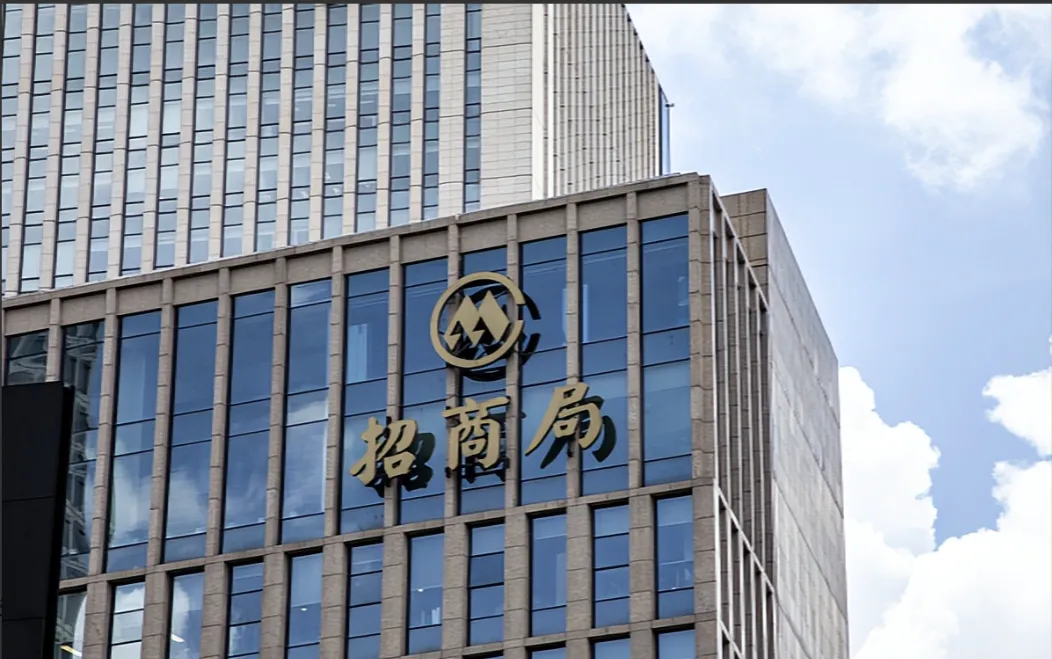
By: Robert Sterling – SeaPRwire – Put the numbers on a table and the ranking seems obvious. Mitsubishi sits near 21 trillion yuan in combined assets. Samsung stands around 2.1 trillion yuan. China Merchants Group is expected to reach roughly 15.6 trillion yuan by the end of 2025. Many readers stop there and declare a winner. That misses the real story. Asset size tells us where these organizations came from. It tells us far less about where they are heading. The more revealing comparison is how three of East Asia’s most influential business groups are responding to a world being reshaped by artificial intelligence, energy transition, demographic pressure, and geopolitical uncertainty. The official facts reveal three very different growth models. Mitsubishi traces its roots to the 1870s under the leadership of Yataro Iwasaki. What began as a shipping operation evolved into one of Japan’s most influential industrial groupings. Today, companies tied to the Mitsubishi network span heavy industry, finance, electronics, trading, and infrastructure. Recent moves show the group is still restructuring. According to the source material, Mitsubishi Electric agreed in November 2025 to divest several industrial motor and pump businesses, redirecting resources toward power semiconductors, HVAC technologies, and digital solutions. Samsung followed a different path. Founded by Lee Byung-chul in 1938 as a small trading business, it expanded into electronics, chemicals, construction, insurance, and heavy industry. Samsung Electronics reported 300.9 trillion won in revenue for 2024, equivalent to roughly 1.52 trillion yuan, up 16 percent from the previous year. Across the broader group, total assets are estimated at about 2.1 trillion yuan. China Merchants Group represents a third model entirely. Established in 1872 through the Qing Dynasty’s Merchant Steam Navigation initiative, it became China’s first modern joint-stock enterprise. The organization survived imperial decline, war, reform, and globalization. Today it operates across transportation, logistics, finance, industrial development, and technology. According to data cited from China’s State-owned Assets Supervision and Administration Commission, the group is expected to reach total assets of approximately 15.6 trillion yuan by the end of 2025. It has maintained a return on equity above 10 percent throughout the 14th Five-Year Plan period. The group has also accelerated investment into innovation. Research spending since the beginning of the plan reached 89.3 billion yuan, nearly double the previous cycle. New patent creation grew 3.8 times compared with the prior five-year period. The company has established a Chief Scientist Committee, advanced research institutes, AI laboratories, LNG shipbuilding programs, and industry-specific large language model applications in logistics and finance. The hidden difference is not balance-sheet size. It is organizational DNA. Mitsubishi still reflects Japan’s network-based conglomerate structure, built around cross-shareholding and long-term coordination. Samsung remains closely associated with the centralized control model that powered South Korea’s industrial rise. China Merchants operates under a hybrid framework. State ownership provides strategic capital and policy alignment. Market-oriented management drives execution. Each model solved a different historical challenge. The question now is whether those same structures remain advantages in a world moving much faster than before. From an investor’s perspective, the next decade may not reward the largest institution. It may reward the institution that can move capital, technology, and talent into new industries with the least internal resistance. A century ago, shipping routes built empires. Today, AI infrastructure, advanced manufacturing, logistics networks, and energy systems are becoming the new battlegrounds. The company that adapts fastest will care far less about yesterday’s asset ranking than tomorrow’s relevance. Author bio: Robert Sterling, a veteran entrepreneur and investor who has spent decades analyzing industrial groups, global capital flows, and the strategic evolution of multinational business empires.


The Flyer Isn’t Dead. The Real Story Is Why Big Brands Are Quietly Returning to the Front Door

By: Logan Pierce – SeaPRwire – A business owner can spend thousands on digital ads and still struggle to answer one simple question: did anyone in the neighborhood actually see the message? That frustration sits at the center of MarketAnywhere’s latest expansion. The Los Angeles-based company has announced broader nationwide distribution coverage, offering flyer delivery, door hanger campaigns, and hand-to-hand marketing across all 50 states. On the surface, this looks like a traditional marketing services update. Underneath, it reflects a growing reality in local advertising. Many businesses are discovering that online visibility does not automatically translate into neighborhood awareness. According to the company, MarketAnywhere now provides businesses with a single platform for managing flyer distribution campaigns ranging from individual neighborhoods to multi-state initiatives. The firm says it has spent more than 30 years serving organizations of various sizes, including independent businesses, regional operators, national brands, and Fortune 500 companies. Services cover flyers, postcards, brochures, menus, promotional materials, door hanger campaigns, and face-to-face distribution conducted by trained brand ambassadors in shopping districts, business centers, entertainment venues, and community events. The official announcement places particular emphasis on geographic targeting, allowing campaigns to focus on specific ZIP codes, neighborhoods, and service areas. Another highlighted feature is photo verification, giving clients visual proof that distribution activities have been completed as planned. The business signal behind this expansion is more interesting than the service list itself. Over the past decade, digital advertising promised precision. In practice, many local businesses found themselves competing in increasingly crowded online channels where costs continued to rise and attention became harder to capture. A plumbing company does not need awareness across an entire country. A neighborhood restaurant rarely benefits from impressions generated hundreds of miles away. What these businesses often need is simple visibility inside a defined service area. MarketAnywhere appears to be positioning itself around that practical reality. By combining residential delivery, in-person distribution, campaign management, printing, shipping, and verification under one provider, the company is selling convenience as much as distribution capacity. The pitch is straightforward: fewer vendors, fewer coordination problems, and more control over local execution. For years, marketers treated physical distribution as an outdated tactic. The market now seems less certain. As customer acquisition costs continue climbing across digital channels, direct neighborhood marketing is finding a second life among businesses that care more about geographic relevance than online reach. Companies capable of operating at national scale while delivering locally may end up controlling a surprisingly resilient corner of the advertising business. In this segment, the winner may not be the company with the smartest algorithm. It may be the one that can reliably get a message onto the right doorstep. Author bio: Logan Pierce, a veteran entrepreneur and investor with decades of experience building businesses, scaling regional operations, and analyzing shifts in traditional and local-market industries.

The Real Question Isn’t “Should You Install iOS 27?”—It’s Whether You’re Ready to Be Apple’s Next Beta Tester

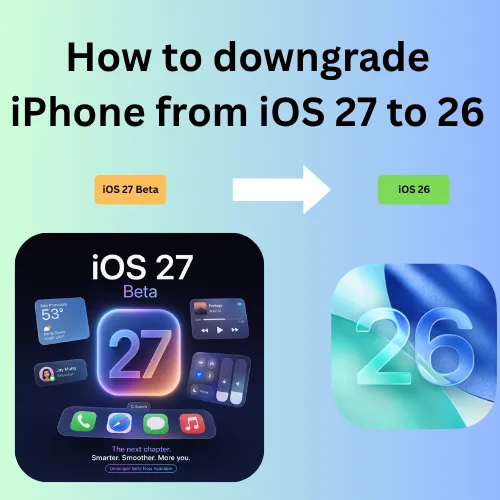
By: TechVanguard – SeaPRwire – Every year, the same scene plays out. Apple unveils a new iPhone operating system, social media fills with screenshots of fresh features, and millions of users face the same dilemma: upgrade immediately or wait. This year, ahead of WWDC26 and the arrival of iOS 27, that decision may be getting harder rather than easier. New features create excitement. Early software bugs create anxiety. The gap between those two emotions is exactly where Tenorshare has positioned its latest product, the iOS 27 Upgrade Downgrade Companion. The company, known for iOS repair and device management software, has launched a free web-based decision tool designed to help users evaluate whether moving to iOS 27 actually makes sense for their specific situation. Instead of offering blanket recommendations, the platform asks users to identify their iPhone model, usage habits, upgrade motivations, and dependency on certain applications. Based on those inputs, the tool generates recommendations ranging from upgrading immediately to delaying installation until later software releases arrive. According to the company, no downloads, registrations, or advertising interruptions are involved. Alongside the recommendation engine sits an issue-tracking panel that monitors reported iOS 27 problems. Current categories include abnormal battery drain, overheating during charging or navigation, notification failures, unstable CarPlay behavior, Wi-Fi connectivity issues, and other commonly reported concerns. Each issue is paired with explanations and practical workarounds sourced from community feedback and forum discussions. What makes this launch interesting is not the technology itself but the business logic behind it. Apple’s annual software cycle has quietly created a new category of user behavior. Many consumers want access to new AI capabilities and interface upgrades the moment they appear. At the same time, smartphones have become critical infrastructure for banking, work communication, transportation, and identity verification. A software update is no longer just an update. It can affect productivity, security, and daily routines. Tenorshare appears to be capitalizing on this growing caution. The company is not merely offering repair software. It is attempting to become a decision-support layer between Apple’s release schedule and consumer adoption. The embedded issue tracker reinforces that role by turning scattered community complaints into structured information users can actually act upon. The second half of the strategy becomes clear when users decide they upgraded too soon. The press release highlights a familiar frustration: downgrading iOS versions through iTunes remains complicated for many consumers and often involves complete data loss. Tenorshare’s ReiBoot software is presented as an alternative, promising one-click upgrades or downgrades, automatic firmware matching, support for more than 150 iOS and Android system issues, and a simplified rollback path from iOS 27 to iOS 26. Whether users ultimately choose to upgrade or wait, the company has positioned itself at both ends of the decision process. In practical terms, that may be the most valuable place to stand in an era when software updates increasingly feel less like routine maintenance and more like risk management. Author bio: TechVanguard, a senior technology columnist covering consumer platforms, software strategy, and the intersection between product design and user behavior for leading international tech publications.

肯尼迪中心抹去特朗普名字:權力象徵的褪去與華盛頓政治遊戲的餘波

(SeaPRwire) -By: Gavin Thorne [Paragraph 1] 周六清晨,工人開始拆除肯尼迪中心外牆上的「唐納德·特朗普」字母。這一幕本應成為象徵特朗普權力邊界的戲劇性時刻,卻因法院裁定的最後期限延誤與暴雨遮蔽而黯然收場。觀眾在帳篷下等待數小時,最終只看到一塊帆布遮住施工現場。 [Paragraph 2] 肯尼迪中心在午夜後請求法院將截止日期延長至中午,理由是天候影響作業進度。法官周六上午批准延期。此時,特朗普的名字已從這座獻給甘迺迪總統的建築上消失,標誌著他第二任內對該場所巨大影響力的終結。 [Paragraph 3] 特朗普上任後迅速撤換肯尼迪中心領導層,將自己任命為主席並添加姓名。但法院裁決同時阻止了原定的兩年翻新閉館計劃。當前日程僅剩《紅磨坊》音樂劇與《Bluey》兒童劇,6月28日比爾·馬赫將獲頒馬克·吐溫幽默獎。 [Paragraph 4] 特朗普正推動華盛頓特區物理景觀的重塑:拆除白宮東翼建造舞廳、改造林肯紀念堂倒影池、規劃波托馬克河畔凱旋門。與此同時,白宮南草坪已改為UFC比賽場地,慶祝美國獨立250週年並恰逢特朗普生日。 [Paragraph 5] 肯尼迪中心上訴稱法院阻止閉館維修將導致「結構性損壞」,如鏽蝕的樑柱與停車場天花板可能坍塌。領導層暗示若上訴成功,特朗普名字可能重返建築。但裁決若維持,拆除與重新安裝將浪費時間與資金。 [Paragraph 6] 特朗普威脅將肯尼迪中心移交國會或關閉,但機構裁員後能否快速恢復演出陣容仍是未知數。華盛頓非黨派空間的象徵意義,在權力更迭中成為政治角力的縮影。

万亿基建投入下的“盲目”困局

(SeaPRwire) -By: Oliver Hawthorne 美国砸下1.2万亿搞基建,可根本问题没解决。地下藏着约3000万英里的水电气、通信管线,平时没人在意,出问题就立马闹大。弗朗西斯·斯科特·基桥坍塌断了东海岸航运,拉瓜迪亚机场地陷耽误航班,夏威夷堤坝垮塌让社区遭殃。更隐蔽的是慢慢出现的故障,乔治亚州费耶特维尔的数据中心,15个月通过两条县都不知道的管道用了近2900万加仑水,当地还在干旱时劝节水,却没预警。数据中心为AI扩张,EPA预计2023年用了174亿加仑水,2028年可能到730亿。数字孪生能模拟应对,可数据还在孤立系统里。政策得和技术结合,像BUILD America 250 Act推进数字基建,要让纳税人看到投资成效。美国投了大钱,得让基建既历史又智能,不然下次故障又得被动改。 Author bio: Oliver Hawthorne, Principal Correspondent permanently stationed at an international technology review, specializes in infrastructure tech analysis.

揣著「被大廠抄走」的恐懼睡覺,他把AI搜索做到了200億估值

(SeaPRwire) -   By: Oliver Hawthorne 創業者最怕什麼?不是融不到資。是辛苦想出的點子被大公司抄走,還做得比自己好。Perplexity的CEO Aravind Srinivas卻說,這種恐懼是他把公司做到200億美元估值的動力。現在AI創業門檻越來越低,同行隨時可能追上。這份焦慮成了他前進的燃料。 這位32歲的創業者去年在Y組合AI創業學校發言。他說,只要你的公司能賺數億美元,就該假設大廠會抄你的點子。他選擇與恐懼共存,靠快速行動打造獨特價值。Perplexity的AI搜索已經能和Google、Microsoft抗衡。去年還傳出Apple有意收購這家公司。他在2025年Reddit線上問答中坦言,自己幾乎把所有時間都花在工作上。只有周末陪家人,一周健身三次。但他強調,努力沒有替代品。 AI正在拉低創業門檻。生成式技術能幾秒做出商業計劃。OpenAI的Sam Altman在2024年受訪時預測,未來會出現單人創辦的十億美元公司。Mark Cuban去年在播客中說,AI會誕生首位萬億富翁。不過Elon Musk已經靠SpaceX的IPO拿下這個頭銜。對Srinivas來說,競爭越激烈,動力就越足。未來的AI創業賽道,只有敢於直面被抄的恐懼、持續快速迭代的團隊,才能在大廠和新創的夾擊中存活。 Author bio: Oliver Hawthorne,駐美國際科技評論首席特派員,專注AI創業賽道與科技巨頭競爭態勢深度分析。

靠SpaceX IPO晉升新富?梅琳達建議你先捐一半財產

(SeaPRwire) -By: Christian Pierce SpaceX剛完成史上最大規模IPO,估值達1.77兆美元,募資750億美元。接下來OpenAI、Anthropic也會陸續登陸公開市場。這三場超大IPO將催生一批新的千萬、億萬富翁。多數人拿到鉅額財富的第一時間根本不知道怎麼支配,反而陷入了新的焦慮。 梅琳達·法蘭奇·蓋茲給這些新富提出了明確建議。她呼籲大家現在就承諾捐出至少一半的財產。她2010年聯合創立了捐贈誓言,目前已有超過250名慈善家簽署。她現有身家約190億美元,排名彭博億萬富翁榜第137位,近期剛宣布捐出2.15億美元投入女性健康領域。她還特別提醒,所有美國富翁都受益於當地的公共資源,不要隨意炫富。 現在不少新IPO的持股者還在觀望是否簽署捐贈誓言。公開的定向慈善捐贈不僅能解決實際社會問題,也能降低企業後續的公關爭議風險,對家族長期聲譽傳承也有明顯益處。接下來幾年,簽署捐贈誓言會成為美國科技新富的常規操作。 Author bio: Christian Pierce,資深財經專欄作家與市場評論員,長期跟蹤科技產業資本動向。

史上最大IPO出籠、OpenAI也要上市!科技投資版圖這次真的翻盤了

(SeaPRwire) -By: Lucas Caldwell 這週科技資本市場接連落下兩顆炸彈。停擺多年的IPO潮,沒想到會以這種規模重啟。不管是太空還是AI龍頭,都搶著挂牌上市。這直接打亂華爾街現有投資布局。不少散戶等了好幾年,終於有機會直接持有頂尖科技股的籌碼,整個市場的資金流向即將翻轉。 SpaceX完成有史以來規模最大的IPO。這次募資達750億美元,估值來到近1.8兆美元。投資人需求極度強勁,完全不受利率和估值疑慮影響。SpaceX上市後,也帶動Rocket Lab等其他太空類股的投資熱潮。市場開始猜測,接下來會有更多巨型未上市科技跟進挂牌。 繼SpaceX之後,OpenAI也傳出已機密遞件IPO申請。OpenAI靠ChatGPT和企業業務快速成長,是當前全球最受關注的AI公司。這波AI熱潮中,AI基礎建設股持續領漲,雲端廠商砸數百億擴增產能,需求依舊強勁。輝達(Nvidia)還是穩坐AI加速器龍頭,傳出正開發專供中國市場的新晶片。 現在華爾街開始把目光轉向AI軟體股。過去AI熱潮第一波,只有半導體和基礎建設股漲幅驚人。軟體股大多落後這波行情。分析師點名Snowflake、Datadog、MongoDB、Twilio、JFrog等,都是下一階段AI熱潮的潛力贏家。如果企業AI支出從建基礎設施,轉向實際導入應用,軟體廠就能直接受惠。 這波上市潮改變了AI投資的版圖。過去散戶只能透過基礎建設廠商間接參與AI成長。OpenAI上市後,一般投資人能直接持有這家指標性AI公司的股票。有分析師認為,OpenAI和Anthropic最終會吸走原本投給基礎建設業者的資金。AI投資週期即將打開新的篇章。 接下來一年,資金會從硬端全面流向軟端,AI投資版圖將徹底重新劃分。 Author bio: Lucas Caldwell,X(Twitter)百萬粉絲科技意見領袖,長期追蹤全球科技產業趨勢。

Google 砸錢挺競爭對手?Anthropic 建數據中心背後的算計:IPO 前的最後籌碼與 AI 市場暗戰

(SeaPRwire) -   By: Oliver Hawthorne The core contradiction here is hard to ignore. Google is reportedly in talks to guarantee Anthropic’s data center lease payments. But their AI products—Google’s Gemini and Anthropic’s Claude—are fighting head-to-head in assistants, coding tools, and enterprise software. This has the industry wondering: why back a rival? Let’s lay out the facts. Anthropic has signed over a dozen preliminary agreements to lease U.S. data centers with more than 1 gigawatt of capacity. Apollo Global Management and Blackstone are part of the wider financing structure. Earlier this month, Anthropic filed confidentially for a U.S. IPO. Its latest funding round valued it at $965 billion—higher than OpenAI. It also pays $1.25 billion monthly for compute to SpaceX’s xAI, another competitor. The commercial loop here is clear. Anthropic needs more compute to meet demand for Claude. Owning data centers cuts cloud dependence and costs. Google’s stake? A strong Anthropic keeps OpenAI from dominating the enterprise AI market. Both companies gain even as they compete. The end-game? AI firms and cloud providers will keep forming these tangled alliances, balancing competition and mutual benefit to control the market. Author bio: Oliver Hawthorne, Principal Correspondent at an international technology review, specializes in AI infrastructure and industry competition analysis.