Google 在阿拉巴马州核能布局:15 亿美元数据中心投资背后的深层考量

(SeaPRwire) -   By: Oliver Hawthorne, a Principal Correspondent permanently stationed at an international technology reviewParagraph 1Google 在阿拉巴马州杰克逊县的 15 亿美元数据中心扩张计划,表面上看是其持续增长的算力需求驱动,但其背后隐藏着更深层的行业焦虑。尤其是在能源消耗和基础设施成本日益受到审视的当下,这家科技巨头选择了一条与众不同的道路。这笔巨额投资,横跨 2026 至 2027 年,不仅关乎数据中心的物理扩张,更是一次对未来能源战略和地方社区关系的战略性布局。Paragraph 2官方信息显示,Google 将承担其数据中心运营所产生的全部电力和基础设施成本。这一举措直接呼应了白宫的“纳税人保护承诺”,即要求数据中心运营商自行承担能源开销,而非转嫁给当地居民。此举也与阿拉巴马州立法机构今年早些时候通过的法案不谋而合,该法案强制要求数据中心承担其能源成本。Google 此番行动,与其说是顺应政策,不如说是主动规避潜在的监管冲突。Paragraph 3该数据中心位于一个前田纳西河谷管理局(TVA)的煤电厂旧址,自 2018 或 2019 年起已投入运营。目前,该设施已能为当地提供 300 兆瓦的电力。更引人注目的是,Google 与 Kairos Power 和 TVA 的合作,计划在 2025 年 8 月签署的协议下,为阿拉巴马州和田纳西州的数据中心引入高达 50 兆瓦的先进核能。这标志着 Google 在能源供应多元化和低碳化方面迈出了关键一步。Paragraph 4除了基础设施投资,Google 还承诺向一个由 TVA 和阿拉巴马州东北部社区行动局合作管理的能源影响基金捐赠 200 万美元,用于当地家庭的房屋保温和能源效率提升项目。此外,还为杰克逊县学区的 4 至 8 年级学生捐赠了价值 55 万美元的 STEM 套件。这些社区投资,旨在平衡其大规模基础设施建设可能带来的负面影响,并争取地方支持。然而,数据中心巨大的能源和水资源消耗,仍是其面临的持续挑战。Author bio: Oliver Hawthorne, a Principal Correspondent permanently stationed at an international technology review, provides incisive analysis on global tech trends and corporate strategies, cutting through the noise to reveal underlying market dynamics.

POCA SPOT Has Expanded to Tokyo’s Shibuya Following Hong Kong MTR Launch, Cementing Its Position as a Global K-POP Fan Destination

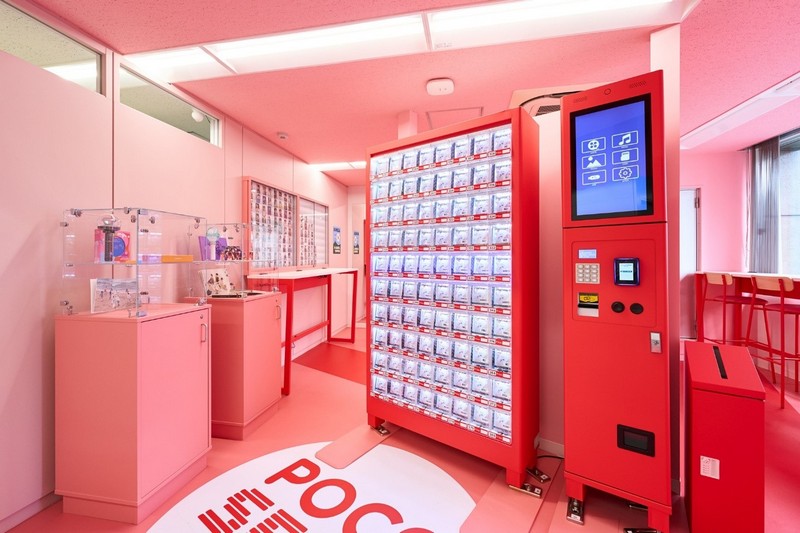
Tokyo, Japan - June 16, 2026 - (SEATribune) - Infludeo, the company behind K-POP photocard specialty shop POCA SPOT, has opened a new location in Shibuya, Tokyo. Through a partnership with K Village (headquartered in Shinjuku, Tokyo; CEO: Motonari Kuwahara) — operator of Japan's largest Korean language school network — POCA SPOT by K Village officially launched inside the K Village Shibuya Ekimae (Station-Front) branch on May 15th. Infludeo had previously entered overseas markets by partnering with Hong Kong's mass transit operator MTR, opening POCA SPOT locations at key transit hubs including Tsim Sha Tsui, Hong Kong Station, and West Kowloon High Speed Rail Station. The new Shibuya location marks the company's second overseas market, signaling that Infludeo's global expansion strategy has gained meaningful momentum. POCA SPOT has already established itself as a must-visit destination for K-POP fans at its flagship locations in Hongdae and Myeongdong, Seoul. POCA SPOT is an offline photocard specialty store where fans can purchase K-POP photocards and immerse themselves in collector culture. Because K-POP idol albums include photocards on a randomized basis, these cards have become highly coveted collectibles among fans. The thrill of not knowing which card you'll get, and the anticipation of finally finding that one card you've been chasing, are the core experiences that define POCA SPOT. A standout feature is its Lucky Draw vending machine system, which lets customers pull photocards on the spot — delivering the kind of immediate, in-person excitement that only a physical store can offer. Every photocard sold through POCA SPOT undergoes an in-house authenticity verification process, ensuring that only officially licensed genuine cards reach customers. Backed by proprietary grading expertise, the store provides a trustworthy environment for fans to shop with confidence. POCA SPOT also leverages data from POCAMARKET — Korea's largest photocard trading platform — to curate a selection of cards that reflect what fans are actually seeking and collecting. This Japanese market entry is built on the natural synergy with K Village, a leader in Korean language and culture education. As the number of Japanese learners motivated by K-POP and Korean dramas continues to grow, POCA SPOT has become a new touchpoint where fans can experience Korean culture up close. K Village, for its part, sees this as an opportunity to go beyond language instruction and offer students a way to actively enjoy Korean culture firsthand. Steven Kang, Head of B2B Division at Infludeo, commented: "Our collaboration with Hong Kong MTR showed us just how passionate fans around the world are about POCA SPOT. We'll use the Shibuya launch as a springboard to keep expanding the global K-POP fan experience." Media contact Brand: Infludeo Name: Jiwon Seo Email: hr@infludeo.com Website: https://infludeo.com Phone: +82 10-6675-8374

Crestone Air Partners, an Air T Business, Completes Acquisition of Arena Aviation Capital, Surpassing $3.6 Billion in Assets Under Management

MINNEAPOLIS, MN, June 17, 2026 - (ACN Newswire via SeaPRwire.com) - Air T, Inc. (NASDAQ:AIRT) today announced that its majority owned business Crestone Air Partners, a global aviation asset management platform, has completed its acquisition of Arena Aviation Capital - a well-established aviation asset manager with a diversified portfolio and deep airline relationships. The transaction, first disclosed on March 8, 2026, has now closed following the satisfaction of all customary closing conditions and required approvals.The acquisition materially expands Crestone. Assets under management (AUM) as of December 31, 2025, were $800 million; as of March 31, 2026, AUM had grown to $1.2 billion; and post-transaction, the combined platform now comprises $3.6 billion of AUM. Crestone receives standard aviation industry management fees, including origination fees, administrative fees, disposition fees, and an incentive fee above a certain hurdle rate (which varies by investment transaction). Our aviation asset management platforms seek to generate 10%+ returns after fees.Immediately prior to the closing, Air T owned 90% of the common interests in Crestone Asset Management, LLC ("CAM"). At this same time, entities controlled by the Mill Road Investors collectively owned the remaining 10% of the common interests in CAM. In connection with the transactions, Air T and Aviation Growth Initiatives, LLC ("AGI"), a management-affiliated entity formed by executives of Crestone Air Partners, Inc., acquired the MRC Parties' 10% common interest position in CAM at a pre-money valuation of $62 million for aggregate cash consideration of $6.2 million. In connection with the reorganization, the parties also amended CAM's limited liability company agreement to reflect the exit of the MRC parties from the common interest holder group.On the closing date, Blue Owl Capital bought in to Crestone Air Partners at an $80 million valuation post-merger for up to 12.5% of Crestone Air Partners, dependent upon Crestone performance. Air T now owns approximately 83.9% of the equity of this business.This transaction is a clear expression of how Air T invests. We are a permanent capital vehicle - buying to build, not to trade - and we give the leaders of our businesses the runway and resources to grow on their own terms."We buy to build and empower dynamos and dynamic teams. Our investments don't come with expiration dates," said Nick Swenson, Chief Executive Officer of Air T, Inc. "Crestone has grown from zero to over $3.5 billion dollars in assets under management in five years. Our job was to provide permanent capital and the runway, then let Crestone build. Crestone's leasing capabilities are supported by the AirT network: airframe and engine material sales, landing gear leasing, disassembly, storage, and MRO facilities all sit inside the Air T family. Crestone can draw on every one of them across an aircraft's life. Aviation has a lot of niche, high-value businesses within it, and we seek to know them well. That's the momentum a networked portfolio creates - and we intend to keep at it."For additional information on the transaction, please refer to the Crestone Air Partners Press Release.NOTE REGARDING STAKEHOLDER QUESTIONSIf you have questions related to this release or other Air T matters, please use our interactive Q&A capability, through Slido.com, accessible from our website, to submit your questions. We intend to keep that link open and available for shareholder questions. Questions submitted through Slido will be answered "live" and in writing at our Annual Meeting, and via a written response on a quarterly basis. Note that legal and pragmatic requirements restrict us from answering every question posted, yet we intend to address all reasonable and relevant questions with a written answer.ABOUT AIR T, INC.Established in 1980, Air T Inc. is a portfolio of powerful businesses and financial assets, each of which is independent yet interrelated. Its core segments are overnight air cargo, ground support equipment, commercial aircraft, engines and parts, regional airline and digital solutions. We seek to expand, strengthen and diversify Air T's after-tax cash flow per share. Our goal is to build Air T's core businesses, and when appropriate, to expand into adjacent and other industries. We seek to activate growth and overcome challenges while delivering meaningful value for all stakeholders. For more information, visit www.airt.com. The information on our website is available for information purposes only and is not incorporated by reference into this press release.CONTACTTracy Kennedy, Chief Financial Officertkennedy@airt.comSOURCE: Air T, Inc. Copyright 2026 ACN Newswire via SeaPRwire.com. All rights reserved. www.acnnewswire.com

标准渣打断言UNI2030冲百美元?DeFi变局下的UNI猜想

(SeaPRwire) -By: Oliver Hawthorne 标准渣打盯上Uniswap,预测UNI代币2030年底能到100美元。它觉得UNI会从约2.7美元涨到100。到2030年,DeFi里的代币化资产预计涨37倍。渣打还预计DeFi资产2030年达2.7万亿。自协议费激活,Uniswap已烧掉500万枚UNI。渣打称UNI未来表现或超以太和比特币,这得靠把DEX高活动转成协议价值并加强机构合作。不过也有风险,小DEX可能抢市场,代币化资产 adoption 需机构和监管助力。Author bio: Oliver Hawthorne, Principal Correspondent permanently stationed at an international technology review, focusing on in - depth technology reporting

機構悄悄轉身搶進!HYPE ETF月吸1.53億美金背後的盤算

(SeaPRwire) -By: Christian Pierce 市場目光全放在比特幣、以太坊ETF的流量變化。很少人注意到,機構已經悄悄轉進HYPE相關ETF。這次開市首月就吸金1.53億美元,打破非主流加密幣ETF的發行紀錄。不少人還沒反應過來,這場資金移動已經改變加密市場的版圖邏輯。 目前美國有三檔掛牌HYPE現貨ETF。分別是21Shares的THYP、Bitwise的BHYP、Grayscale的HYPG。發行首月累計交易量近9億美元。淨流入達1.53億美元,是比特幣以太坊之外,表現最好的加密ETF新人。多數交易集中在THYP與BHYP,HYPG持續建置流動性。全網有4.34億枚HYPE鎖倉質押,占可質押供應的45%。公開市場流通的代幣本就不多。Hyperliquid把97%交易手續費投入援助基金,固定在公開市場買回HYPE。Bitwise額外承諾拿出10%管理費,買入質押HYPE。依DefiLlama數據計算,平台過去30天永續合約交易量約2405億美元。年化營收近8.86億美元,年買回規模上看8.6億美元。這個速度下,兩個多月就能買回等同本次ETF總流入的量。Presto Labs研究主管指出,市值調整後,機構進場速度比比特幣ETF更快。Hyperliquid近期新增標普500、那斯達克100、白銀、原油的永續合約。加密資產交易量占比從90%降到65%,逐漸轉型成多資產交易平台。 美國投資人無法直接使用Hyperliquid平台。正規管道只能透過這三檔ETF取得HYPE曝險。質押生利加上固定買回,支撐代幣的需求循環。機構不等市場炒熱就提前佈局,看上的不只是加密幣漲幅。是Hyperliquid跨進傳統資產交易的成長空間。現階段市場滲透率才1%,後續還有大把資金會陸續進場。 Author bio: Christian Pierce,資深財經專欄作家,長期追蹤全球加密市場與資產動態。

貝萊德把比特幣當「收租工具」了?深度拆解BITA的財技與陷阱

(SeaPRwire) -By: Oliver Hawthorne 這檔基金不直接持有比特幣。它透過持有自家老大哥IBIT的股票,再賣出這些股票的買權來賺權利金。說穿了,就是用犧牲比特幣的部分漲幅,去換一筆穩定的現金流。 目標是年化收益率15%到25%,同時還能抓到比特幣至少70%的上漲空間。帳面上的數字很誘人。但這裡有個所有人都該想清楚的問題:市場如果突然暴漲,你的錢就注定跑輸大盤。這不是缺陷,是這檔產品的設計初衷。 貝萊德把上市日期壓在明天(週二),代號BITA,管理費定在0.65%。跟市場上那些動輒收0.95%、0.99%的同類型產品比,費率確實有殺傷力。但我更在意的是它的底層架構。 BITA的運作邏輯並不複雜。它把IBIT當作原料,IBIT手上握著逼近486億美元的淨資產,流動性極深。然後再靠操作選擇權,去拆出一個新的收益結構。高盛也遞交了類似的申請,這條路已經開始擠了。 這套策略的核心目的,是把比特幣從高波動的投機資產,變成一張能每個月配息的債券。它鎖住了向上的爆發力,換來了規律的現金回報。對於那些想進場又怕心臟受不了的機構錢,這是一道非常精緻的台階。 但請注意,如果比特幣價格像過去那樣一年拉個200%,BITA的績效就會變得非常難看。那些在選擇權市場上跟你對賭的買家,會吃掉你絕大多數的超額報酬。這不是分散風險,這是在用波動率換穩定。 整個ETF產業正在變得極度細分。從純粹追蹤價格的IBIT,到現在這種靠賣選擇權收租的BITA,貝萊德正在把比特幣這個資產類別,拆成各種不同風險屬性的結構性產品。下一步,可能就是直接推出跟比特幣期貨或波動率相關的槓桿型產品。 對一般投資人來說,關鍵不是要不要買。關鍵是你得先搞清楚,你手上的這筆錢,到底是想賭一把大的,還是每個月都希望帳戶裡多一點零用錢。BITA給的是一個選擇,但不是免費的午餐。 Author bio: Oliver Hawthorne,常駐國際科技評論的首席記者,長期追蹤金融科技與資產管理領域的結構性變革。

OpenAI 一年燒掉340億美元:IPO前能轉虧為盈嗎?還是在與Anthropic的價格戰中墮入深淵?

(SeaPRwire) -By: Oliver Hawthorne OpenAI面臨一個核心矛盾:它在2025年燒掉340億美元,卻計劃上市。這不僅讓潛在投資者質疑,也凸顯了AI行業的焦慮——燒錢換市場的模式能持續多久?競爭對手Anthropic正在蠶食客戶,OpenAI不得不考慮降價搶回市場。 根據Financial Times報導的審計數據,OpenAI 2025年支出340億美元,其中190億用於研發,近60億用於銷售和行銷。同年收入約130億美元,但淨虧損達390億美元。該公司上周已向美國SEC祕密提交IPO申請,尚未公佈時間表。為控制成本,它在2025年底至2026年初擱置了包括視頻生成應用Sora在內的多個項目,並考慮降低AI代幣價格以吸引Anthropic的客戶。CEO Sam Altman也承認AI使用成本對企業是個問題,降低價格已成優先事項。 投資者對這些數據看法兩極。一方面,OpenAI在快速增長的市場中大量投資;另一方面,巨額虧損引發對盈利時機的質疑。如果市場相信它能將支出轉化為長期利潤,IPO估值可能維持高位;否則,虧損將拖累股價。降價雖能搶客戶,但可能進一步壓縮利潤空間。OpenAI必須在持續投資與成本控制間找到平衡,否則IPO之路充滿變數。 Author bio: Oliver Hawthorne,國際科技評論駐點首席記者,專注報導AI產業趨勢與企業戰略。

SpaceX 股票狂飆:馬斯克如何用超級貨幣重寫併購規則

(SeaPRwire) -By: Oliver Hawthorne 馬斯克擁有了新的武器。SpaceX 股票成為超級貨幣。這讓競爭對手感到焦慮。OpenAI 和 Anthropic 無法使用這種工具。它們正在準備 IPO 文件。但此刻 Musk 佔據優勢。這種資本優勢改變了遊戲規則。業界擔心市場壟斷加速。傳統併購邏輯被顛覆。現金不再是唯一選擇。股票溢價成為收購籌碼。這種權力集中令人擔憂。Silicon Valley 正在觀察這種變化。Pitchbook 分析師指出這是 playbook。 交易細節展現了這種力量。SpaceX 以 600 億美元股票收購 Cursor。股價從 135 美元漲至 192.46 美元。市值達到 2.51 萬億美元。四天內增長 7400 億美元。Cursor 收購成本不到增長額的十分之一。四月已簽署選擇權協議。雙類股結構消除摩擦。Musk 控制幾乎所有投票權。Cursor 年營收達 40 億美元。67% 財富 500 強企業使用。每天生成 1.5 億行代碼。創始人 Michael Truell 成為億萬富翁。去年估值 293 億美元。Andreessen Horowitz 參與投資。 商業閉環指向數據戰略。Cursor 代碼數據反哺 Grok 模型。這是 SpaceX AI 基礎設施拼圖。防禦性動機同樣明顯。防止競爭對手擁有該資產。股票升值使鎖定資產更容易。OpenAI 和 Anthropic 正排隊上市。一旦它們公開交易,優勢將縮減。Musk 的貨幣依賴股價維持。高風險高回報是始終焦點。Santa Clara 教授質疑其他目標。Grok 表現不如市場工具。但 Musk 不會停止擴張。這場資本遊戲尚未結束。 Author bio: Oliver Hawthorne, 資深科技專欄作家,長期駐守國際科技評論機構,專注於企業併購與資本市場戰略分析。

GM 股價飆漲的背後:車廠轉進國防供應鏈的獲利算盤與資本押注

(SeaPRwire) -By: Christian Pierce 傳統汽車製造業增長觸頂,GM正把國防供應鏈當成新獲利突破口。與Lockheed Martin的談判消息一出,直接帶動股價盤後漲幅超過1%,資本市場態度一目了然。 GM周二開盤價來到83.96美元,過去12個月股價區間在47.63至87.62美元之間。 《華爾街日報》報導,雙方談論的是GM為Lockheed Martin生產武器通用零組件,細節尚未對外公開。美國與伊朗的長期衝突耗盡導彈等武器庫存,五角大樓推出1.5兆美元預算,強化彈藥與無人機生產,積極尋找非傳統供應商。GM Defense十年前成立,現為美軍生產步兵車輛,執行長Mary Barra曾與川普政府討論擴大國防業務。其他車廠也動作頻頻:福斯在德國談判生產以色列鐵穹系統零組件,賓士探索歐洲國防領域,福特則與美軍談車輛供應。機構投資人持有GM 92.67%的股份,Fieldview Capital Management在第四季減持77%,但CIBC World Market增持57.2%,M&T Bank Corp增持82%,Leonteq Securities AG新進1775萬美元部位。分析師共識為「適度買進」,17個買進、4個持有、1個賣出評級,平均目標價95.65美元,相較現價有約16%上漲空間。德意志銀行四月將GM從持有調升至買進,目標價90美元;Wedbush五月重申優於大盤評級,目標價95美元;美國銀行給予買進評級,目標價105美元。GM四月28日公佈的獲利優於預期,EPS達3.70美元(預期2.61美元),營收436.2億美元(預期435.1億美元),並維持2026年EPS指引10.62至12.62美元。公司宣佈每季每股0.18美元股息,6月18日發放,年化殖利率0.9%,今年以來股價累計上漲近4%。 未來數年,國防供應鏈將湧入更多非傳統製造商。車廠的大規模生產能力,將成為搶占這塊市場的核心優勢,同時重新劃分兩產業的獲利版圖。 Author bio: Christian Pierce,資深財經專欄作家與市場評論員,專注跨產業資本布局與企業轉型分析。

The Real Story Behind Monash’s AV Overhaul: Why One University Is Quietly Rewriting the Rules of Digital Learning Spaces

By: James Vance – SeaPRwire – Universities rarely struggle with a shortage of technology. They struggle with what happens after the technology arrives. Every new classroom, lecture hall, collaboration zone, or hybrid learning space tends to introduce another layer of complexity. Support teams inherit fragmented systems. Faculty members face inconsistent experiences. Students encounter different interfaces from room to room. That is why Monash University’s decision to become the first higher education institution to deploy Symetrix Cognio deserves more attention than a typical campus technology announcement. This is less about installing new AV equipment and more about solving a long-standing operational problem that many universities quietly accept as unavoidable. According to Symetrix, Monash selected Cognio as part of its effort to support active learning environments across its campus. The university has long promoted teaching models built around collaboration, participation, and flexible classroom interaction rather than traditional lecture-centric delivery. Those goals create technical demands that extend far beyond audio quality or display performance. Monash needed an AV platform capable of supporting different room configurations while maintaining consistent management practices. Instead of relying on a centralized processing model common in traditional AV deployments, Cognio distributes intelligence throughout the system. The deployment includes Cognio C20 processors alongside Cognio Spaces, Signal Flow, and Control Screen workflows. It also integrates with existing technologies already used across the university, including Shure ANX4 and ULXD wireless systems, Powersoft Mezzo amplifiers, EAW MKC loudspeakers, Crestron NVX, Lightware, Audinate AVIO, and ECHO360 lecture capture. Through a new Cognio API and Crestron integration, Monash can connect audio, video, and control workflows more closely while preserving compatibility with its existing infrastructure. The commercial significance extends beyond one university campus. Distributed AV architecture addresses a challenge facing large organizations everywhere. As facilities expand, centralized systems often become bottlenecks. Updating one space can affect another. Maintenance windows become more disruptive. Scaling requires additional layers of management. Cognio’s design attempts to reverse that model by allowing individual spaces to operate independently while still remaining part of a unified framework. For Monash, that means classrooms can be updated or optimized without affecting neighboring teaching spaces. For Symetrix, the project serves as a real-world validation of a software-defined approach to AV infrastructure. The involvement of PAVT Australia & New Zealand adds another important dimension. Long-term institutional technology projects succeed when trusted implementation partners can translate ambitious architectural concepts into reliable daily operations. The collaboration between Monash, PAVT, and Symetrix appears to have been built around that practical objective rather than technology for technology’s sake. What makes this deployment interesting is not the hardware list or the product launch narrative. It is the signal it sends to the broader education technology market. Universities are becoming increasingly complex digital environments, yet they remain under pressure to simplify operations and improve user experiences at the same time. Monash’s planned expansion of Cognio into additional teaching spaces, sports facilities, and worship centers suggests the institution views flexibility as a long-term infrastructure strategy rather than a one-off upgrade. If distributed AV systems continue proving their operational value, the next competitive battleground in campus technology may not be who delivers the most features. It may be who removes the most friction. In large educational organizations, simplicity often becomes the most valuable innovation. Author bio: James Vance, a veteran technology columnist for leading international technology publications, specializes in enterprise infrastructure, digital transformation strategy, and the intersection of education and emerging technologies.

The AI Sales Problem Was Never the Model: Spekit Is Betting the Real Bottleneck Is Corporate Memory

By: TechVanguard – SeaPRwire – Revenue teams are discovering an uncomfortable truth. Their AI tools are getting smarter, yet the answers remain unreliable. A sales rep asks about pricing and receives information that expired months ago. A copilot drafts customer content that misses the company’s messaging standards. Another agent generates a different answer to the same question. Most organizations blame the model. Spekit argues they are looking in the wrong place. The problem sits inside the knowledge layer feeding those models. That argument sits at the center of the company’s newly announced GTM Knowledge Engine 2.0, a release that focuses less on building another AI assistant and more on controlling what every assistant actually knows. The announcement introduces several new capabilities built around that premise. Through Spekit’s new Model Context Protocol (MCP) server, currently in beta, organizations can connect a governed knowledge base directly into AI tools already used by sales teams, including Claude, ChatGPT, Copilot, Glean, Gemini, and custom-built agents. Instead of relying on uploaded documents that quickly become outdated, those systems can reference current pricing, approved messaging, and verified sales content directly from a centralized source. Spekit also introduced Brand Studio, which applies approved brand standards across AI-generated materials, alongside enhanced AI Content Builder capabilities that can create battle cards, playbooks, and deal-related content using company-defined templates and approved information. A new Dashboard Agent adds analytics capabilities, allowing teams to identify which content is influencing pipeline activity and which assets have become obsolete. Customers including Amplitude are already participating in the beta rollout announced for June 16. The deeper significance is commercial rather than technical. Many organizations have spent the past two years racing to deploy AI copilots and agents across sales operations. What often gets overlooked is that every AI workflow depends on the quality of the information beneath it. When knowledge exists across disconnected systems, every new agent becomes another place where information drifts out of date. Spekit’s approach effectively treats governance as infrastructure rather than compliance. The company is attempting to create a single source of operational truth that follows employees and AI agents into every workflow. That vision aligns closely with comments from CEO and co-founder Melanie Fellay, who described a future where business knowledge remains continuously connected to its original source rather than becoming static content scattered across repositories. If the model race becomes increasingly competitive, the next major differentiator may not be intelligence itself. It may be trust. The broader GTM software market should pay close attention. AI vendors have spent much of the past year competing on model performance, automation features, and agent capabilities. Spekit is targeting a different problem. It is addressing what happens after deployment, when organizations discover that inaccurate knowledge quietly undermines every promised productivity gain. The winners in enterprise AI may not be the companies generating the most content. They may be the companies ensuring that content remains correct. For revenue leaders evaluating AI investments today, the first question should no longer be which model to buy. It should be whether the knowledge feeding that model can still be trusted six months later. Author bio: TechVanguard, a senior technology columnist covering enterprise software, AI infrastructure, and digital transformation trends, with a focus on how emerging technologies reshape business operations and revenue execution.

A Remodeling Award Is Easy to Announce. Earning Trust in the Bay Area Is the Hard Part.

By: Logan Pierce – SeaPRwire – In construction, awards are common. Trust is not. Homeowners rarely lose sleep over design concepts or material samples. They worry about missed deadlines, surprise costs, poor communication, and contractors who disappear once the contract is signed. That reality is what makes Top Line Home Remodeling’s newly announced recognition as a Trusted Contractor in the Bay Area for 2026 more interesting than it first appears. The award itself matters less than the reason it was earned. In a market where reputation spreads faster than advertising, trust has become one of the industry’s most valuable assets. According to the company, the recognition reflects years of work across residential and commercial remodeling projects throughout Northern California. Top Line Home Remodeling has built its business around kitchen remodeling, bathroom renovations, full-home transformations, roofing projects, garage conversions, accessory dwelling units, decks, patios, and swimming pool installations. The company emphasizes personalized consultations, transparent project scopes, defined timelines, and ongoing communication from planning through project completion. CEO Pini described trust as the foundation of the business, linking the recognition directly to quality, integrity, and customer satisfaction. The company also points to strong referral activity and repeat business as evidence that its approach resonates with homeowners across the region. The more interesting business story sits beneath the announcement. Bay Area homeowners are making larger renovation decisions in an environment shaped by rising property values and growing expectations around functionality, sustainability, and design quality. Contractors are no longer competing solely on craftsmanship. They are competing on predictability. Clients want clear budgets, realistic schedules, and confidence that projects will be delivered as promised. Top Line’s strategy appears designed around that shift. Alongside construction services, the company highlights project management discipline and a vetted network of trade partners. It also integrates energy-efficient systems, sustainable materials, and environmentally conscious building practices into its projects. Those decisions align closely with the priorities of many Northern California homeowners, particularly in markets such as San Francisco, Berkeley, Walnut Creek, Pleasanton, and Oakland. The remodeling industry often rewards companies that can scale quickly. The next phase is usually where problems emerge. Maintaining quality while expanding across multiple cities is difficult. Maintaining trust is even harder. Top Line’s recognition suggests it has successfully navigated that challenge so far. The real test begins after the award is framed and hung on the wall. In local service businesses, reputation compounds the same way capital does. Protect it carefully, and growth follows. Lose it once, and rebuilding takes years. Author bio: Logan Pierce, a veteran entrepreneur and industry investor with decades of experience in construction, real estate development, and business expansion across North America.

What Foreign Delegates Saw Along the Yangtze Was Not Just Environmental Protection—It Was a Different Definition of Development

By: Jonathan Vance – SeaPRwire – A former industrial riverbank in Wuhan is now filled with joggers, campers, and families enjoying a public waterfront park. That transformation became one of the strongest impressions for a group of international officials, representatives, and experts who recently visited Hubei Province to examine China’s approach to ecological protection and public well-being. The visit was not centered on environmental statistics. It focused on a harder question: can economic development, environmental restoration, and improvements in daily life advance together rather than compete against one another? The official story presented to the delegation was straightforward. Hubei, often described as the “Province of a Thousand Lakes” and a key water conservation area along the Yangtze River, has spent recent years advancing large-scale ecological restoration projects. In Wuhan, the 105-kilometer East Lake Greenway was developed using sponge city principles and includes 13 wildlife corridors designed to protect habitats for hundreds of vertebrate species. The project also introduced public recreational facilities that bring residents closer to nature. Maria Florencia Polo, Chief Economic Advisor at the Development Research Center of Uruguay, remarked that the river management and regional environmental protection practices she observed offered valuable lessons. Similar observations came from officials including Oidmaa Munkhzaya of Mongolia’s National Human Rights Commission, who described the East Lake Greenway as an impressive example of environmentally conscious urban development. The deeper policy message became clearer further upstream. At the Three Gorges Dam area in Yichang, visiting delegates discussed a challenge facing many developing nations. Economic growth often arrives with environmental costs. Governments are frequently asked to choose between the two. Faratina Rajobarielina, Director of Legal, Consular and Dispute Affairs at Madagascar’s Ministry of Foreign Affairs, pointed to China’s experience as a useful reference for countries attempting to balance development objectives with environmental responsibilities. The conversation extended beyond conservation. In Xujiachong Village near the Three Gorges Dam, local officials explained how wastewater treatment, waste management improvements, tourism development, handicraft cooperatives, and emerging e-commerce initiatives have contributed to rising household incomes. According to village representatives, average annual income has doubled compared with five years ago. The case illustrates a policy approach where environmental improvement is treated as an economic asset rather than a cost center. The most revealing comments came from visitors who linked environmental protection directly to human well-being. Delegates observed not only restored landscapes but also community participation, cultural preservation, employment opportunities, and attention to the needs of elderly residents. Juan Carlos Moraga, President of Chile’s Human Rights Without Borders Organization, highlighted this broader perspective after visiting local communities. That observation points to a larger governance lesson. Public policy becomes more durable when citizens experience tangible benefits in their daily lives. Cleaner rivers matter. Better livelihoods matter too. The strongest environmental program is often the one local residents have a reason to defend because it improves their future as much as it protects their surroundings. Author bio:Jonathan Vance, an internationally recognized scholar of public administration and social policy, focuses on governance reform, sustainable development strategies, and the relationship between public policy and human well-being.

HKTDC celebrates 60th Anniversary with Forum and Cocktail Reception

HONG KONG, Jun 16, 2026 - (ACN Newswire via SeaPRwire.com) - The Hong Kong Trade Development Council (HKTDC) is celebrating its 60th anniversary this year with a series of commemorative events. Two key events – the Next 60 Forum and 60th Anniversary Cocktail Reception – were held today, attracting over 1,000 guests from the political and business sectors. HKTDC Chairman Prof Frederick Ma personally invited several former Chairmen, including Dr Victor Fung, Peter Woo, Jack So and Vincent Lo, to serve as forum guests, while he himself served as the moderator. Together, they reviewed how the HKTDC has developed and looked ahead to future opportunities. Secretary for Justice of the Hong Kong Special Administrative Region (HKSAR), Paul Lam, officiated at the reception and joined leaders from various sectors in witnessing this important milestone.Prof Frederick Ma, Chairman of the HKTDC, said: "This forum brings together an accumulated 480 years of experience and wisdom of several former Chairmen. We will build on the past and pave the way for the future, charting a new development outlook for Hong Kong. Under 'One Country, Two Systems', Hong Kong is guided by national development and is globally responsive, providing a strong foundation for progress. The HKTDC will continue to assist enterprises going global, deepen international exchange, strengthen industry connections, and facilitate substantive cooperation."The Next 60 Forum centred on the theme of "Retrospect and Prospect". Former Chairman Baroness Dunn kicked off the forum with a pre-recorded address. Participants reviewed Hong Kong's economic transformation from a manufacturing base into an international financial and trading hub, and explored how Hong Kong can continue to play its role as a superconnector and super value-adder in an evolving global landscape.The 60th Anniversary Cocktail Reception held in the evening of the same day was attended by Secretary for Justice of the HKSAR Paul Lam, Deputy Commissioner of the Office of the Commissioner of the Ministry of Foreign Affairs of the People’s Republic of China in the HKSAR Li Yongsheng, Director-General of the Economic Affairs Department of the Liaison Office of the Central People's Government in the HKSAR Xu Weigang, President of the Legislative Council Starry Lee, and a number of HKSAR government officials, including Deputy Financial Secretary Michael Wong, Secretary for Culture, Sports and Tourism Rosanna Law, and Acting Secretary for Financial Services and the Treasury Joseph Chan. Also in attendance were former HKTDC Chairmen Victor Fung, Peter Woo, Jack So and Vincent Lo, former Executive Directors Fred Lam and Margaret Fong, current Executive Director Sophia Chong, as well as current and former Council Members.Prof Ma said: "Right before this reception, I had a lively dialogue with the HKTDC’s former Chairmen who shared their vision for the Council and Hong Kong in the coming decades. Let me tell you: the future looks bright. In spite of global challenges, I firmly believe that Hong Kong remains a beacon of hope. The HKTDC has always evolved alongside Hong Kong, our growth mirroring our city’s progress. And just like Hong Kong, the HKTDC has remained resilient, which I know will see us through the next 60 years."Secretary for Justice of the HKSAR Paul Lam said in his address at the Reception: "For 60 years, the Government’s policy priorities coupled the steadfast support combined with the TDC’s global network and on-the-ground expertise. Together, we have advanced Hong Kong’s trade and economic development. And together, we are building Hong Kong’s flourishing future. In Chinese culture, 60 years represents the completion of a full cycle – it does not mark an end, but a beginning of new cycle. It reminds us that after six decades of growth, wisdom and achievements, the time has come to welcome a new, and even more successful chapter."Looking ahead, the HKTDC will seize opportunities arising from the country's 15th Five-Year Plan, support the Government's initiatives, and assist mainland enterprises in expanding overseas. It will also provide more comprehensive support tailored to the evolving needs of five major industry clusters, namely: Finance and Professional Services; Global Network and Supply Chain; Technology and Digital Innovation; Wellness and Creative Industries; and Consumer Goods and Lifestyle.Photo download: https://bit.ly/4otc10KHKTDC Chairman Prof Frederick Ma delivers the opening address at the Next 60 Forum, reviewing the development of the HKTDC and Hong Kong over the past 60 years and looking ahead to future opportunitiesHKTDC Chairman Prof Frederick Ma exchanges views with several former Chairmen at the Next 60 Forum, sharing experience and insights, and exploring the outlook for Hong Kong and the HKTDC. (From left: HKTDC Chairman Prof Frederick Ma, former Chairmen Dr Victor Fung, Peter Woo, Jack So and Vincent Lo)Secretary for Justice of the HKSAR Paul Lam delivers an address at the 60th Anniversary Cocktail Reception, joining various sectors in witnessing this important milestone for the HKTDCHKTDC Chairman Prof Frederick Ma toasts with several official guests at the reception. (From left: Former HKTDC Chairmen Vincent Lo and Peter Woo, Deputy Commissioner of the Office of the Commissioner of the Ministry of Foreign Affairs of the People’s Republic of China in the HKSAR Li Yongsheng, Secretary for Justice of the HKSAR Paul Lam, HKTDC Chairman Prof Frederick Ma, former HKTDC Chairmen Dr Victor Fung and Jack So, HKTDC Executive Director Sophia Chong)The 60th Anniversary Cocktail Reception brings together representatives from the political and business sectors, creating a grand occasionGuests visit 60th Anniversary Thematic Exhibition, tracing the development of Hong Kong and the HKTDC over the past 60 yearsWebsitesHKTDC’s 60th Anniversary Exhibition Zone: https://bit.ly/4ovwn9GHKTDC’s 60th Anniversary Celebration Activities: https://60.hktdc.com/enHKTDC Media Room: https://mediaroom.hktdc.com/enMedia enquiriesHKTDC’s Communications & Public Affairs Department:Stanley SoTel: (852) 2584 4049Email: stanley.hp.so@hktdc.orgNavin LawTel: (852) 2584 4525Email: navin.cm.law@hktdc.orgWinnie KanTel: (852) 2584 4055Email: winnie.wy.kan@hktdc.orgAbout HKTDCThe Hong Kong Trade Development Council (HKTDC) celebrates its 60th anniversary this year. The HKTDC is a statutory body established in 1966 to promote, assist and develop Hong Kong's trade. With over 50 offices globally, including 13 in the Chinese Mainland, the HKTDC promotes Hong Kong as a two-way global investment and business hub. The HKTDC organises international exhibitions, conferences and business missions to create business opportunities for companies, particularly small and medium-sized enterprises (SMEs), in the mainland and international markets. The HKTDC also provides up-to-date market insights and product information via research reports and digital news channels.  Copyright 2026 ACN Newswire via SeaPRwire.com. All rights reserved. www.acnnewswire.com

Everest Medicines Enters into Exclusive Licensing Agreement with Dimerix for DMX-200 in Greater China, South Korea and Southeast Asia

HONG KONG, Jun 16, 2026 - (ACN Newswire via SeaPRwire.com) - Everest Medicines (HKEX 1952.HK)announced that it has entered into an exclusive licensing agreement with Australia Dimerix Limited (“Dimerix”), for the development and commercialization of DMX-200 in Greater China (Chinese mainland, Hong Kong SAR, Macao SAR and Taiwan region), South Korea and certain Southeast Asian countries (Singapore, Malaysia, Thailand, Indonesia, Vietnam and Philippines). This collaboration will further strengthen Everest’s nephrology product portfolio and pipeline synergy, reinforce the company’s strategic position in kidney and autoimmune diseases.Under the terms of the agreement, Everest will pay Dimerix a US$ 10 million upfront payment, and up to US$30 million potential success-based development and regulatory milestone payments, as well as up to US$300 million in commercial milestone payments. In addition, Everest will pay tiered royalties between 10-15% of DMX-200 net sales in Greater China, South Korea, and certain Southeast Asian countries.DMX-200 is a small molecule inhibitor of the chemokine receptor 2 (CCR2) under development in a pivotal, Phase 3 study, ACTION3, for the treatment of Focal Segmental Glomerulosclerosis (FSGS). Public disclosures show that DMX-200 has received Orphan Drug Designations from the U.S. Food and Drug Administration (FDA) and the European Medicines Agency (EMA).“This collaboration with Dimerix marks an important step in advancing our strategic focus in kidney disease and further strengthening our innovative renal portfolio,” said Yifang Wu, Chairman of the Board of Everest Medicines. “Patients with FSGS in China have long faced significant unmet medical needs due to the lack of targeted treatment options. The positive interim results from the global pivotal Phase 3 study of DMX-200 underscore its potential to offer a meaningful new therapy for these patients. Leveraging our proven expertise in clinical development and commercialization, we are committed to accelerating access to DMX-200 in China and beyond and exploring other glomerulopathies. We look forward to working closely with Dimerix to bring this innovative therapy to more patients in need.”Dr Nina Webster, Chief Executive Officer and Managing Director of Dimerix, said: “We are delighted to establish this partnership with Everest Medicines, a company with strong rare renal disease expertise and a proven track record in commercializing in Greater China, South Korea and certain Southeast Asian countries. Importantly, this collaboration significantly expands the potential reach of DMX-200 into a large and underserved patient population. Everest is well positioned to maximize the opportunity in the licensed regions, while allowing Dimerix to retain focus on progressing our global registrational program, delivering value for shareholders and providing real hope for patients with FSGS across the globe in need of treatment options.”FSGS is a rare, serious kidney disorder characterized by progressive scarring (sclerosis) in parts of the glomeruli—the kidney’s filtering units. This scarring leads to proteinuria, progressive loss of kidney function, and often end-stage renal disease. In China, 500,000 to 1 million people are estimated to be living with FSGS, including both adults and children1,2.The ACTION3 study, which is titled “Angiotensin II Type 1 Receptor (AT1R) & Chemokine Receptor 2 (CCR2) Targets for Inflammatory Nephrosis”, is a pivotal (Phase 3), multi-centre, randomized, double-blind, placebo-controlled study of the efficacy and safety of DMX-200 in patients with FSGS who are receiving a stable dose of an angiotensin II receptor blocker (ARB). Once the ARB dose is stable, patients will be randomized to receive either DMX-200 (120 mg capsule twice daily) or placebo. The single Phase 3 trial in FSGS patients has two interim analysis points built in that are designed to capture evidence of proteinuria and kidney function (eGFR slope) during the trial, aimed at generating sufficient evidence to support marketing approval.The ACTION3 study has completed enrollment of 333 patients. In early 2024, Dimerix reported positive interim results from the ACTION3 trial in FSGS, showing DMX-200 was performing better than placebo in reducing proteinuria at that time. There have been no safety concerns to date following 8 reviews by the independent data monitoring committee, the most recent in June 2026. In April 2026, an external statistical blinded review of ACTION3 data achieved its objective by confirming that the study remains appropriately statistically powered (>90%) to demonstrate a treatment effect for the primary study endpoint of proteinuria; meaning that if DMX-200 continues to reduce proteinuria in trial patients as anticipated, then there is a >90% chance that the study will successfully show a statistically significant proteinuria treatment effect at the trial’s conclusion.Rather than a single product licensing deal, this collaboration is viewed by the industry as a significant step forward for Everest Medicines in deepening its layout in the nephrology field. In recent years, the company has continuously built a nephrology product matrix including Nefecon®, civorebrutinib (EVER001), MT1013, and Bejescin® (MIL62), focusing on areas such as IgA nephropathy and chronic kidney disease (CKD). The introduction of DMX-200 is not only expected to fill the gap in innovative treatments for FSGS in China, but will also further enrich Everest Medicines’ nephrology pipeline, creating synergies with existing products and R&D projects to extend its footprint into the broader CKD sector.Meanwhile, this partnership covers multiple core markets, including Greater China, South Korea, and Southeast Asia, further reflecting Everest Medicines’ strategic direction to continuously refine its commercialization network across the Asia-Pacific region. With a massive population base in the Asia-Pacific region, the burden of chronic conditions like CKD continues to rise, driving significant unmet medical needs for patients. Everest Medicines is gradually expanding its accumulated commercialization experience into the broader Asia-Pacific market. Driven by its dual-engine strategy of business development partnerships and in-house R&D, the company is poised to further unlock the value of its innovative assets, opening up new horizons for its long-term growth.Reference:1.Du X, Xiao D, Ao C, Zhang Y, Xuan J. Disease Burden of IgA Nephropathy in China. ISPOR Europe 2021. (poster/presentation).2.Yang Y, Zhang Z, Zhuo L, Chen DP, Li WG. The Spectrum of Biopsy-Proven Glomerular Disease in China: A Systematic Review. Chin Med J (Engl). 2018;131(6):731–735. Copyright 2026 ACN Newswire via SeaPRwire.com. All rights reserved. www.acnnewswire.com

Scandium International Mining Initiates an Update of Its Definitive Feasibility Study at Nyngan Scandium Project

Reno, Nevada--(ACN Newswire via SeaPRwire.com - June 16, 2026) - Scandium International Mining Corp. (TSXV: SCY) (OTC Pink: SCYYF) ("Scandium International" or the "Company") is pleased to announce that Scandium International's wholly-owned subsidiary, EMC Metals Australia Pty Ltd ("EMC") has initiated an update of the Definitive Feasibility Study ("DFS") titled "Feasibility Study - Nyngan Scandium Project", dated May 4, 2016, at its Nyngan Scandium Project in New South Wales. The DFS update will be undertaken by Lycopodium Limited, headquartered in Perth, Australia, who completed the original DFS in 2016 and will reflect capital and operational efficiencies as well as potential to high-grade and customer requirements."We are very pleased to have initiated an update of the Definitive Feasibility Study for the Nyngan Scandium Project after the announcement of the grant of the Mining License in October 2025," said Peter Evensen, Chief Executive Officer. "We look forward to working with Lycopodium as we continue to develop the Nyngan Scandium project. The company is fully funded to complete the DFS update, marking an important milestone on the path toward construction and eventual production, consistent with the Project's design parameters."The update of the DFS will update the capital and operating costs and will not change the basic parameters of the existing DFS, which remain positive:is designed as a small surface mining operation recovering approximately 75,000t of limonite ore from the resource per year.delivers an average limonite scandium head grade to the mill facility over 20 years is 409ppm (before potential high-grading initiatives).includes a project development and commissioning schedule comprising a one-year construction period, and a total 24-month ramp-up period to reach nameplate capacity of 75,000 tonnes per year ore throughput and approximately 38,500 kg of scandium oxide product per year, grading 98 to 99.9% Sc₂O₃.provides a 20-year mine life at nameplate capacity, using less than 20% of the total Mineral Resource Estimate.Mr. Evensen continued: "The benefits of scandium have been known for several years; however, until now there has not been a reliable and abundant potential supply source of scandium outside of China and Russia or dependent on other commodity prices as a by-product.The Western world has made it a strategic priority to develop robust critical mineral supply chains that are not dependent on a single nation as a pinch point.The shovel-ready Nyngan Scandium Project is prepared to meet western demand for scandium in existing applications and emerging uses under development including semiconductors, solid-state batteries, and defense applications."The information in this news release has been reviewed and approved by John Thompson, BE, FAusIMM, Vice-President of Project Development, who is a Qualified Person as that term is defined in National Instrument 43-101.For inquiries to Scandium International Mining Corp, please contact:Peter Evensen, President and CEOTel: (775) 355-9500Harry de Jonge, ControllerTel: (702) 703-0178Email: info@scandiummining.comCautionary Note Regarding Forward-Looking InformationThis news release includes certain information that may be deemed "forward-looking information". Forward-looking information can generally be identified by the use of forward-looking terminology such as "may", "will", "expect", "intend", "believe", "continue", "plans" or similar terminology, or negative connotations thereof. All information in this release, other than information of historical facts, general future plans and objectives for the Company and the Nyngan Scandium Project, are forward-looking information that involve various risks and uncertainties. Although the Company believes that the expectations expressed in such forward-looking information are based on reasonable assumptions, such expectations are not guarantees of future performance and actual results or developments may differ materially from those in the forward-looking information.For more information on the Company and the key assumptions, risks and challenges with respect to the forward-looking information discussed herein, and about our business in general, investors should review the Company's most recently filed annual information form, and other continuous disclosure filings which are available at www.scandiummining.com Readers are cautioned not to place undue reliance on forward-looking information. The Company does not undertake to update any forward-looking information, except in accordance with applicable securities laws.To view the source version of this press release, please visit https://www.newsfilecorp.com/release/301583 Copyright 2026 ACN Newswire via SeaPRwire.com. All rights reserved. www.acnnewswire.com

AI硅光互連公司:海光芯正即將登陸港股

香港, 2026年6月16日 - (亞太商訊 via SeaPRwire.com) - 香港聯交所公示信息,北京海光芯正科技股份有限公司(下稱「海光芯正」)於6月11日通過港交所上市聆訊。這家被稱為「AI硅光互連黑馬」的技術企業即將登陸香港主板,華泰國際擔任獨家保薦人。表面上看,海光芯正是一家高速光模塊製造商,但深入其業務本質會發現,這是一家行業與客戶All in AI,技術路線All in硅光的純粹AI基礎設施公司。三年營收翻近7倍、全棧式硅光技術壁壘、產業資本扎堆加持,以及對下一代NPO/CPO技術的提前布局,共同構成了這家公司最核心的投資邏輯。三年營收翻近7倍,純AI客戶結構稀缺性凸顯招股書數據顯示,海光芯正2023年至2025年營收分別為1.75億元、8.62億元及12.21億元,三年內收入翻了近7倍,年複合增長率高達164%。其中2024年收入同比增幅接近四倍,主要受益於海外AI數據中心建設擴容,400G、800G高速互連產品出貨量大幅提升,1.6T硅光產品早在2024年已研發成功,並在當年OFC展會與全球頭部DSP廠商聯合展出。更為罕見的是,公司幾乎全部收入均來自於AI客戶,是國內為數不多已經實現大規模商業化的純粹AI基礎設施公司。根據弗若斯特沙利文的資料,海光芯正在全球專業光模塊提供商中2023年至2025年收入增長排名第二。亮眼的業績背後,是豪華的股東陣容。公司股東名單中雲集了阿里、小米、中芯國際、中天科技等重磅產業資本,顯示出產業鏈上下游對其技術路線和發展前景的高度認可。全棧式硅光技術壁壘,從PDK到成品,行業獨此一家海光芯正的核心競爭力,在於其構建了全球唯一的從硅光PDK設計到光模塊、NPO成品的全棧式技術能力。在光通信行業,絕大多數硅光公司要麼只做硅光模塊,硅光芯片依賴外采;要麼只做硅光芯片,不涉足模塊製造。即使是中際旭創、新易盛等行業龍頭,也僅覆蓋從硅光芯片到成品的環節。而海光芯正則更進一步,從最底層的硅光PDK(工藝設計套件)開始自主研發。如果把硅光芯片比作一座大廈,PDK就是這座大廈的地基。擁有自主PDK意味着可以根據AI算力快速迭代的需求,靈活設計各種硅光芯片,並大幅縮短產品開發周期。在生產製造環節,海光芯正打造了獨特的「wafer in-module out」一體化平台:硅光晶圓進入公司後,從測試、切割、減薄、分選,到硅光引擎組裝、成品測試,所有工序全部自主完成。這種模式不僅大幅降低了芯片生產成本,更重要的是保證了產品質量和交付穩定性。海光芯正早在2020年就開始布局硅光技術,是國內最早一批硅光公司。彼時全球硅光產業鏈極其薄弱,幾乎沒有成熟的硅光晶圓測試設備,這迫使公司不得不建立從設計到製造的全流程能力,最終形成了今天難以複製的技術壁壘。目前,公司幾乎所有400G及以上規格的產品均採用硅光子技術。野心不止於光模塊,瞄準十倍空間的NPO/CPO市場深入分析海光芯正的產品布局會發現,光模塊只是其階段性產品,公司真正瞄準的是下一代AI互連技術——NPO(近封裝光學)和CPO(共封裝光學)。AI算力中心主要有兩種算力連接方式:scale out(橫向擴展)和scale up(縱向擴展)。光模塊主要用於scale out網絡,而AEC(有源銅纜)、NPO和CPO則主要用於scale up網絡架構。海光芯正的產品矩陣覆蓋了光模塊、AOC(有源光纜)、AEC以及NPO等全系列產品,幾乎實現了對所有AI算力互連方式的全覆蓋。更為關鍵的是,scale up網絡所需的互連產品數量是scale out網絡的十倍甚至更多,其中NPO/CPO將成為未來AI集群的主力連接方式,市場空間遠超傳統光模塊。從三個方面可以看出海光芯正在NPO/CPO領域的領先優勢:第一,技術積累深厚。NPO/CPO對硅光集成度和先進封裝技術要求極高,而海光芯正已經在硅光領域深耕六年,擁有全棧式技術能力。第二,產能保障到位。2026年5月15日,海光芯正與A股存儲與先進封裝龍頭佰維存儲達成深度戰略合作。佰維存儲為其代工硅光光引擎的2.5D/3D封裝業務,目前光引擎樣品已經封裝完成並送樣客戶測試,預計今年下半年小批量生產,明年實現規模化交付。第三,產品已經落地並獲國際認可。在今年3月舉行的OFC 2026展會上,海光芯正正式展出了3.2T/6.4TNPO光引擎產品,採用2.5D倒裝芯片多芯片集成技術。憑藉基於硅光中介層的光收發器技術,海光芯正榮獲了被譽為光通信「奧斯卡」的Lightwave全球創新大獎,其技術實力獲得了國際權威評審的高度認可。短期毛利率承壓上市後有望迎來業績拐點儘管收入高速增長,但海光芯正目前仍處於虧損狀態。2023年至2025年,公司淨虧損分別為1.09億元、0.18億元和1億元,毛利率從2024年的11.8%降至2025年的8.99%。對此,這主要是由於高速產品仍處於產能爬坡期等因素共同導致,與行業整體趨勢相符。隨着港股上市成功,募集資金將主要用於擴充硅光產品的產能、提升自動化水平以及持續投資新產品及技術研發。業內人士分析認為,隨着產能規模擴大帶來的規模效應,以及1.6T光模塊和6.4T NPO產品的逐步商業化兌現,海光芯正有望在未來1-2年內迎來毛利率回升和業績爆發。在AI算力需求持續爆發的背景下,高速互連已成為制約算力集群規模擴大的關鍵瓶頸。海光芯正憑藉全棧式硅光技術優勢和對下一代NPO/CPO技術的提前布局,有望在這場AI算力革命中占據核心地位,成為港股的「AI硅光互連第一股」,資本市場正拭目以待。 Copyright 2026 亞太商訊 via SeaPRwire.com. All rights reserved. www.acnnewswire.com
美伊临时协议下 海湾复苏路有多难?

(SeaPRwire) -   By: Robert Kensington 美伊达成临时协议,海湾松了口气。但战争阴影未散。100多天战火后,60天停火协议周五将在日内瓦签署。海湾国家曾是冲突前线,导弹无人机袭击不断。历史上海湾有快速复苏能力,比如91年科威特解放后,石油生产和经济快速反弹。近年迪拜旅游复苏也快,2022年底接待1436万国际游客,达疫情前86%,超全球63%的恢复率。但战争与疫情不同,投资者信心需时间恢复。GCC国家经济基本面仍稳,5国信用评级被维持。Wood Mackenzie预计油田3个月恢复70%产量,6个月90%,但油轮过霍尔木兹海峡是大挑战。改革与复苏计划已在推进。 Author bio: Robert Kensington, overseas entrepreneurial veteran with decades of experience in real-economy industrial investment and expansion

雲頂新耀與Dimerix達成DMX-200獨家商業化授權許可協議 填補國內FSGS治療空白並深化亞太商業化佈局

香港, 2026年6月16日 - (亞太商訊 via SeaPRwire.com) - 雲頂新耀(HKEX 1952.HK),宣佈與Dimerix Limited(以下簡稱「Dimerix」)達成獨家商業化授權許可協議,獲得DMX-200在大中華區(包括中國大陸、中國香港、中國澳門和中國台灣地區)、韓國及若干東南亞國家(包括新加坡、馬來西亞、泰國、印尼、越南和菲律賓)的臨床開發及商業化權益。此次合作將進一步優化雲頂新耀腎科產品佈局,提升管線協同效率,強化公司在腎臟及自身免疫疾病領域的戰略地位。根據協議,雲頂新耀將向Dimerix支付1,000萬美元的首付款,以及最高不超過3,000萬美元的開發與註冊里程碑款和最高不超過3億美元的商業化里程碑款。此外,Dimerix還將根據DMX-200在授權區域內未來年度淨銷售額獲得10%至15%的分級特許權使用費。DMX-200是一種趨化因數受體2(CCR2)的小分子抑制劑,目前正在開展用於治療局灶節段性腎小球硬化(FSGS)的全球關鍵性III期臨床研究ACTION3。據公開資料顯示,DMX-200已獲得美國食品藥品監督管理局(FDA)和歐洲藥品管理局(EMA)的孤兒藥資格。雲頂新耀董事會主席吳以芳表示:「此次與Dimerix達成合作,是公司持續拓展腎病領域產品組合的重要舉措。長期以來,中國FSGS患者缺乏針對性治療,存在顯著的未滿足臨床需求。DMX-200全球關鍵性III期臨床研究的中期分析結果積極,顯示出其開發前景廣闊,有望為患者提供新的治療選擇,並填補國內FSGS治療空白。依託公司成熟的臨床開發、註冊及商業化能力,我們將加快推動DMX-200在中國及亞太市場的開發與上市進程,並探索其在其他腎小球疾病中的應用潛力。我們期待與Dimerix緊密合作,共同將這一創新療法帶給更多患者。」Dimerix首席執行官兼董事總經理Nina Webster博士表示:「我們非常高興與雲頂新耀達成合作。雲頂新耀在罕見腎病領域擁有深厚的專業經驗,並具備覆蓋大中華區、韓國及東南亞市場的成熟商業化能力。此次合作將顯著提升DMX-200在亟需治療的患者群體中的可及性。憑藉在授權區域的豐富經驗與資源,雲頂新耀有望充分釋放DMX-200的臨床與商業潛力。與此同時,Dimerix將持續推進全球註冊性臨床專案,致力於為股東創造長期價值,並為全球FSGS患者帶來切實可及的治療希望。」全球關鍵性III期臨床研究ACTION3(Angiotensin II Type 1 Receptor & Chemokine Receptor 2 Targets for Inflammatory Nephrosis)是一項多中心、隨機、雙盲、安慰劑對照臨床研究,旨在評估DMX-200聯合穩定劑量血管緊張素II受體阻滯劑(ARB)治療局灶節段性腎小球硬化(FSGS)患者的療效和安全性。在接受穩定劑量ARB治療的基礎上,受試者按隨機分組接受DMX-200(120 mg,每日兩次)或安慰劑治療。ACTION3研究設計納入兩次預設中期分析,分別評估蛋白尿和腎功能(估算腎小球濾過率斜率)等關鍵指標。目前,該研究已完成全球333例患者入組。2024年初公佈的中期分析積極結果顯示,DMX-200在降低蛋白尿方面顯著優於安慰劑。截至目前,獨立數據監查委員會已完成8次審查,最近一次於2026年6月進行,未發現任何安全性問題;且外部統計學盲態評估顯示研究仍具備充足效能(>90%),有望在研究結束時驗證DMX-200對蛋白尿的顯著改善。FSGS是一種罕見且嚴重的腎臟疾病,其主要病理特徵為腎小球部分區域出現進行性硬化(瘢痕形成),導致蛋白尿和腎功能逐漸下降,並最終可能進展為終末期腎病。當前臨床治療主要依賴非特異性的免疫抑制和支持性療法。根據慢性腎臟病流行病學模型估算,中國局灶節段性腎小球硬化的理論患病人群規模可能達到約50-100萬人1,2。相比於單一產品授權,此次合作更被業內視為雲頂新耀持續深化腎病領域佈局的重要一步。近年來,公司已圍繞IgA腎病、慢性腎臟病等領域持續構建腎科產品矩陣,其中包括耐賦康(R)、EVER001(希佈替尼)、MT1013、倍捷欣(R)(MIL62)等。DMX-200的引入不僅有望填補國內FSGS創新治療領域的空白,也將進一步豐富雲頂新耀的腎科管線梯隊,與現有產品及研發專案形成協同效應,推動其腎病佈局向更廣泛的慢性腎臟病領域延伸。與此同時,此次合作覆蓋大中華區、韓國及東南亞多個核心市場,也進一步體現出雲頂新耀持續完善亞太區域商業化網路的戰略方向。相關區域人口基數龐大,慢性腎臟病等慢病負擔持續上升,患者未滿足醫療需求顯著。雲頂新耀正在將其積累的商業化經驗逐步拓展至更廣闊的亞太市場,隨著「BD合作+自研」雙輪驅動模式的持續推進,雲頂新耀有望進一步釋放創新資產價值,為其長期增長打開新的想像空間。參考文獻:1.Du X, Xiao D, Ao C, Zhang Y, Xuan J. Disease Burden of IgA Nephropathy in China. ISPOR Europe 2021. (poster/presentation).2.Yang Y, Zhang Z, Zhuo L, Chen DP, Li WG. The Spectrum of Biopsy-Proven Glomerular Disease in China: A Systematic Review. Chin Med J (Engl). 2018;131(6):731–735. Copyright 2026 亞太商訊 via SeaPRwire.com. All rights reserved. www.acnnewswire.com

POCA SPOT Has Expanded to Tokyo’s Shibuya Following Hong Kong MTR Launch, Cementing Its Position as a Global K-POP Fan Destination

Tokyo, Japan – June 27, 2026 – (SEATribune) – Infludeo, the company behind K-POP photocard specialty shop POCA SPOT, has opened a new location in Shibuya, Tokyo. Through a partnership with K Village (headquartered in Shinjuku, Tokyo; CEO: Motonari Kuwahara) — operator of Japan’s largest Korean language school network — POCA SPOT by K Village officially launched inside the K Village Shibuya Ekimae (Station-Front) branch on May 15th. Infludeo had previously entered overseas markets by partnering with Hong Kong’s mass transit operator MTR, opening POCA SPOT locations at key transit hubs including Tsim Sha Tsui, Hong Kong Station, and West Kowloon High Speed Rail Station. The new Shibuya location marks the company’s second overseas market, signaling that Infludeo’s global expansion strategy has gained meaningful momentum. POCA SPOT has already established itself as a must-visit destination for K-POP fans at its flagship locations in Hongdae and Myeongdong, Seoul. POCA SPOT is an offline photocard specialty store where fans can purchase K-POP photocards and immerse themselves in collector culture. Because K-POP idol albums include photocards on a randomized basis, these cards have become highly coveted collectibles among fans. The thrill of not knowing which card you’ll get, and the anticipation of finally finding that one card you’ve been chasing, are the core experiences that define POCA SPOT. A standout feature is its Lucky Draw vending machine system, which lets customers pull photocards on the spot — delivering the kind of immediate, in-person excitement that only a physical store can offer. Every photocard sold through POCA SPOT undergoes an in-house authenticity verification process, ensuring that only officially licensed genuine cards reach customers. Backed by proprietary grading expertise, the store provides a trustworthy environment for fans to shop with confidence. POCA SPOT also leverages data from POCAMARKET — Korea’s largest photocard trading platform — to curate a selection of cards that reflect what fans are actually seeking and collecting. This Japanese market entry is built on the natural synergy with K Village, a leader in Korean language and culture education. As the number of Japanese learners motivated by K-POP and Korean dramas continues to grow, POCA SPOT has become a new touchpoint where fans can experience Korean culture up close. K Village, for its part, sees this as an opportunity to go beyond language instruction and offer students a way to actively enjoy Korean culture firsthand. Steven Kang, Head of B2B Division at Infludeo, commented: “Our collaboration with Hong Kong MTR showed us just how passionate fans around the world are about POCA SPOT. We’ll use the Shibuya launch as a springboard to keep expanding the global K-POP fan experience.” Media contact Brand: Infludeo Name: Jiwon Seo Email: hr@infludeo.com Website: https://infludeo.com Phone: +82 10-6675-8374